Beyond the Faucet and the Hidden Ergonomics of Modern Bathroom Geometry
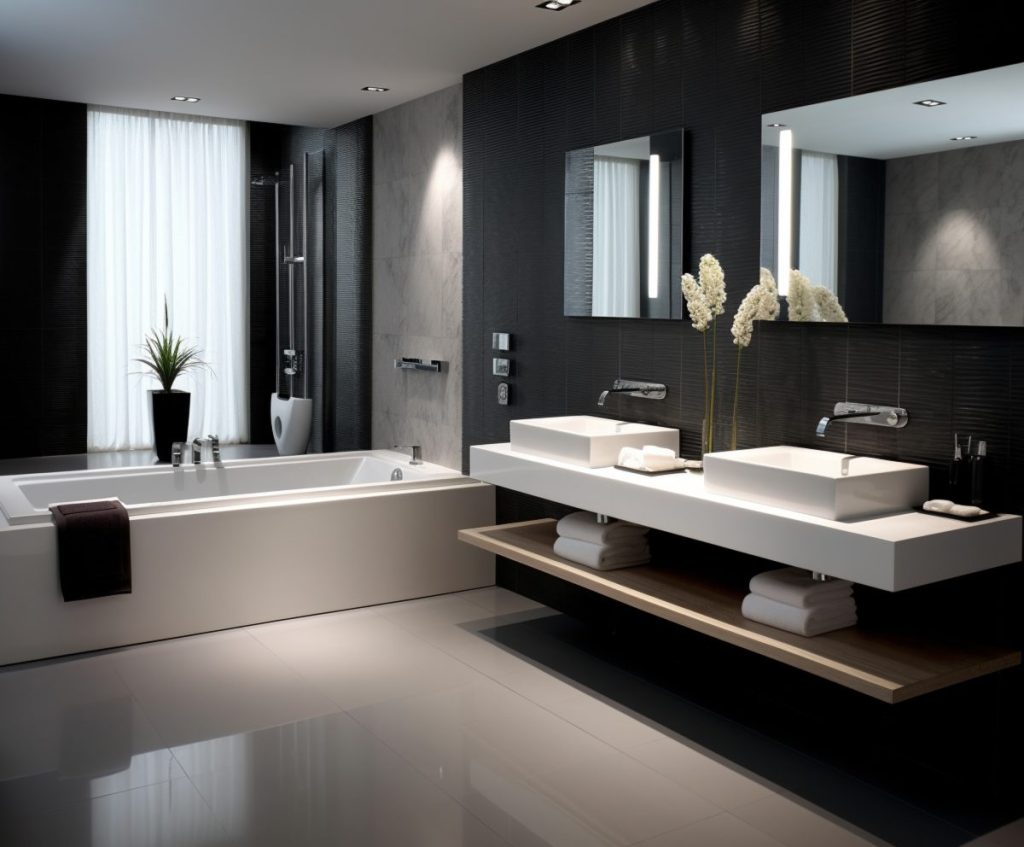
The bathroom has undergone a significant transformation over the last few decades, moving away from being a purely functional room tucked into a dark corner. Modern design now treats this space as a personal wellness sanctuary where people start and end their days with intention.
Creating a successful layout requires a delicate balance between visual appeal and the rigid laws of plumbing and physics. Every component must work in harmony to ensure that the room remains a place of relaxation rather than a source of daily frustration for the homeowner.
Architects pay close attention to how water flows and drains to keep the environment hygienic and odor-free. The sink p-trap, a simple curved pipe that holds water to block sewer gases, exemplifies this invisible infrastructure; essential for comfort yet designed to remain out of sight. When these elements are thoughtfully integrated, the bathroom maintains its sanctuary-like appeal while functioning flawlessly behind the scenes.
Basin Height and Daily Physical Comfort
Choosing the right height for a vanity is a decision that impacts physical comfort for many years. Standard dimensions often fail to account for the unique height of the individuals who actually live in the home and use the space every single morning for their hygiene routines.
When a basin is set too low, it forces a person to hunch over during their basic movements. This repetitive motion places a significant amount of stress on the lower back and neck, leading to chronic discomfort that most people never attribute to their bathroom furniture or layout.
Proper alignment ensures that the forearms are parallel to the floor when reaching for the faucet handle. This small adjustment in the geometry of the room turns a chore into a comfortable experience that respects the natural posture and the long term health of the human body.
Controlling the Flow Through Depth and Curve
The depth of a bowl is a critical factor in maintaining a clean and dry environment throughout the day. Shallow designs might look modern and sleek, but they often struggle to contain the energy of a fast moving stream of water coming from a high pressure faucet.
Curvature plays a massive role in how water behaves when it strikes the surface of the basin. A well designed slope directs the spray inward rather than allowing it to bounce off the porcelain and soak the surrounding countertops, walls, and mirrors during a normal hand washing.
Deep basins provide the necessary volume to handle heavy use without creating a mess for the next person. This thoughtful planning prevents the accumulation of soap scum and standing water that can damage porous materials like wood or natural stone over a long period of regular use.
Visual Weight and Small Floor Plans
Small floor plans require a strategic approach to how fixtures occupy the limited square footage available. Pedestal designs offer a classic look but often take up valuable floor space that could be used for extra storage or better movement within the room during a busy morning.
Wall mounted basins provide a sense of visual breathing room by exposing the floor beneath the fixture. This architectural trick makes a cramped room feel much larger and more open while allowing for easier cleaning of the hard to reach corners and the floor surfaces themselves.
Efficiency is about more than just physical inches, it is about how the eye perceives the density of the room. By reducing the footprint of the fixtures, a designer can create a sophisticated atmosphere that feels uncluttered, spacious, and modern for everyone who enters the private sanctuary.
Sensory Qualities of High Performance Materials
Materials dictate the tactile experience of a room and the amount of effort required to keep it looking new. Natural stone offers a sense of weight and luxury, but it requires regular sealing to protect against the minerals found in tap water and common bathroom cleaners.
High grade ceramics remain the gold standard for many because of their effortless maintenance and durable finish. The smooth surface resists stains and scratches, ensuring that the basin looks pristine even after years of heavy use by a large family in a high traffic residential home.
Heat retention is another factor to consider when choosing between different surfaces for a sanctuary space. Some materials feel cold to the touch while others maintain a comfortable temperature, adding a subtle layer of luxury to the morning routine of a person seeking a peaceful start.
Conclusion
Transforming a standard utility into a seamless extension of the home involves more than just picking out a stylish faucet. It requires a deep dive into the proportions of the human body and the physical behavior of water in motion during its journey through the drain.
Thoughtful planning ensures that every move made in the room is natural and effortless for the user. When geometry and ergonomics work together, the space becomes a source of daily comfort that enhances the well being of every person in the household during their private moments.
Investing in high quality fixtures and smart layouts pays off through a more enjoyable and healthy life. A balanced approach to design creates a sanctuary that stands the test of time while providing a functional and beautiful environment for many years of reliable and comfortable use.