Jeep Ownership: What to Expect
Owning a Jeep is more than simply driving a vehicle — it’s embracing a lifestyle built around adventure, capability, and freedom. Whether you’re navigating city streets, tackling snowy highways, or exploring rugged backroads, Jeep vehicles are engineered to deliver confidence and versatility. Before purchasing, many drivers visit a trusted jeep dealership Edmonton location to explore models, compare trims, and understand what ownership truly involves. From performance and maintenance to customization and resale value, Jeep ownership offers a unique experience that stands apart from many other brands.
If you’re considering buying a Jeep, it’s important to understand what to expect — both the rewards and the responsibilities. This guide walks you through the key aspects of Jeep ownership so you can make an informed decision and enjoy every mile ahead.
The Jeep Lifestyle: More Than Transportation
Jeep ownership often comes with a strong sense of community and identity. Many owners proudly display Jeep badges, wave to fellow Jeep drivers, and participate in local or national Jeep events. This culture of camaraderie is part of what makes owning a Jeep special.
Jeep vehicles are closely associated with outdoor exploration. Whether it’s camping trips, mountain trails, beach drives, or snowy backroads, Jeep models are designed to handle terrain that many standard vehicles cannot. Even if you don’t plan to off-road regularly, knowing your vehicle has that capability provides reassurance and flexibility.
For many owners, a Jeep becomes part of their personal brand — reflecting a love of adventure, independence, and exploration.
Performance and Capability Expectations
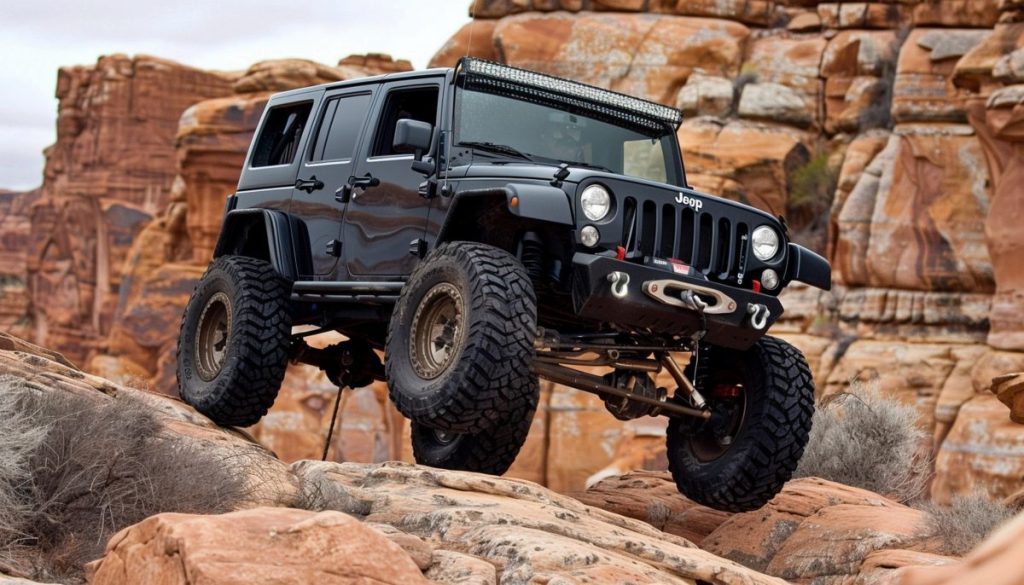
One of the most appealing aspects of Jeep ownership is capability. Jeep vehicles are known for their four-wheel-drive systems, ground clearance, and rugged engineering. Models like the Wrangler and Grand Cherokee are built to perform in challenging conditions, including mud, snow, sand, and rocky trails.
In everyday driving, you can expect solid road handling and stability, particularly in harsh weather. For drivers in regions with cold winters and icy roads, Jeep’s traction systems provide added confidence.
However, it’s important to remember that off-road capability may come with trade-offs. Some Jeep models, particularly those designed with heavy-duty suspension systems, may offer a firmer ride compared to standard SUVs. Fuel economy can also vary depending on the model and engine choice. Understanding these performance characteristics helps you choose the right Jeep for your lifestyle.
Maintenance and Service Considerations
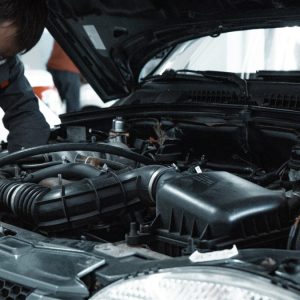
Like any vehicle, Jeep ownership involves routine maintenance to ensure reliability and longevity. Oil changes, brake inspections, tire rotations, and fluid checks are essential to keeping your Jeep running smoothly.
If you plan to use your Jeep for off-road adventures, you may need to pay closer attention to components like suspension systems, undercarriage protection, and tires. Off-road driving can increase wear and tear, so regular inspections are recommended.
Fortunately, many Jeep dealerships offer service packages and certified technicians who understand the unique needs of Jeep vehicles. Sticking to the manufacturer’s recommended maintenance schedule helps preserve performance and protects your warranty coverage.
Fuel Economy and Running Costs
Fuel economy varies depending on the Jeep model you choose. Compact SUVs like the Jeep Compass typically offer better fuel efficiency than larger models such as the Grand Cherokee or Wrangler. Engine type, drivetrain configuration, and driving habits all play a role in overall fuel consumption.
Owners should also consider insurance costs, registration fees, and potential repair expenses when budgeting for Jeep ownership. While Jeeps are known for durability, replacement parts and specialized repairs can sometimes be more expensive than standard passenger vehicles.
On the positive side, Jeep vehicles often maintain strong resale value due to their popularity and reputation for reliability. This can offset some long-term ownership costs if you plan to sell or trade in your vehicle in the future.
Customization Opportunities
One of the most exciting aspects of owning a Jeep — especially models like the Wrangler — is the ability to customize. Jeep owners frequently modify their vehicles to enhance performance, style, or off-road capability.
Popular upgrades include lift kits, off-road tires, roof racks, light bars, skid plates, and upgraded bumpers. Some owners also choose cosmetic changes such as custom grilles, decals, or unique wheel designs. The aftermarket support for Jeep vehicles is extensive, making customization easy and widely accessible.
That said, modifications should be done carefully. Improper installations or extreme upgrades can affect vehicle handling, fuel economy, and warranty coverage. It’s always wise to consult professionals before making significant changes.
Off-Roading: What to Expect
If you plan to take your Jeep off the pavement, you’ll discover a new level of driving enjoyment. Jeep vehicles are engineered with features like skid plates, high ground clearance, locking differentials, and advanced four-wheel-drive systems that make tackling trails easier and safer.
However, off-roading requires preparation and responsibility. Drivers should understand trail ratings, bring recovery equipment, and travel with others whenever possible. Learning basic off-road driving techniques can help you navigate obstacles confidently while protecting your vehicle from unnecessary damage.
Many Jeep owners find that off-roading becomes a hobby — one that connects them with nature and other enthusiasts. Even occasional trail rides can create memorable experiences that highlight the true purpose of owning a Jeep.
Daily Driving and Practical Use
While Jeeps are adventure-ready, they are also practical for everyday use. Many models offer spacious interiors, advanced infotainment systems, and modern safety features. Touchscreen displays, smartphone integration, and driver-assistance technologies make daily commuting convenient and comfortable.
Cargo space varies by model, but most Jeep SUVs provide flexible seating configurations that accommodate groceries, sports gear, or travel luggage. Families often appreciate the balance between ruggedness and practicality, especially in models like the Grand Cherokee or Cherokee.
It’s important to test-drive your chosen model to ensure it aligns with your daily needs. Some Jeep vehicles, particularly the Wrangler, have a distinct driving feel that may differ from traditional crossovers.
Resale Value and Long-Term Outlook
Jeep vehicles often hold their value well compared to many competitors. The brand’s strong reputation, loyal customer base, and demand in both urban and rural markets contribute to consistent resale performance.
Maintaining service records, avoiding excessive modifications, and keeping your Jeep in good condition can further improve resale value. Vehicles that remain close to factory specifications are often easier to sell.
Long-term ownership satisfaction is generally high among Jeep drivers. Many owners return to the brand for future purchases, citing durability, capability, and the sense of adventure as key reasons.
The Community Factor
One of the most unexpected benefits of Jeep ownership is the community. Jeep events, trail rides, charity gatherings, and online forums connect owners across regions. Sharing stories, tips, and experiences adds another dimension to owning a Jeep.
The “Jeep wave” — where drivers acknowledge each other on the road — symbolizes this sense of belonging. For many, owning a Jeep isn’t just about the vehicle; it’s about becoming part of a larger network of enthusiasts who share similar interests.
Potential Challenges to Keep in Mind
While Jeep ownership offers many benefits, it’s important to acknowledge potential challenges. Some models may have higher fuel consumption compared to compact SUVs. Off-road features can lead to a firmer ride on highways. Maintenance costs may vary depending on usage and driving conditions.
Understanding these factors ahead of time ensures realistic expectations. Choosing the right model for your lifestyle — whether primarily for city driving or outdoor adventures — helps maximize satisfaction and minimize surprises.
Conclusion
Jeep ownership is an experience that blends capability, community, and versatility. From rugged off-road adventures to dependable daily commuting, Jeep vehicles offer a unique balance that appeals to a wide range of drivers. While ownership includes responsibilities such as regular maintenance and thoughtful budgeting, the rewards often outweigh the challenges.
By understanding performance expectations, customization opportunities, running costs, and lifestyle benefits, you can approach Jeep ownership with confidence. Whether you’re drawn to the adventurous spirit, the practical design, or the strong resale value, owning a Jeep means embracing a vehicle built for exploration and everyday reliability alike.
Read more: Important Tips for New Jeep Owners
Read more: 5 Reasons You Should Get a Jeep Wrangler
Read more: 3 Fascinating Facts About Jeeps