Assembly and Packaging Best Practices for Modern Manufacturing
| Key Takeaways
|
Modern manufacturing doesn’t end when a product comes off the line. In many ways, that’s where the real work begins. How you handle assembly and packaging determines whether your product arrives intact, performs as intended, and leaves a strong impression on the end user. If you’re looking to stay competitive, you need more than speed. You need precision, adaptability, and a clear strategy.
This guide walks you through practical, real-world best practices you can apply to improve your processes, reduce waste, and deliver consistent results.
The Role of Assembly and Packaging in Modern Production
The assembly and packaging process is where design meets execution. It turns individual parts into functional products, which are then prepared for safe transport and presentation. Done right, it reinforces your brand and protects your margins. Done poorly, it leads to delays, returns, and frustrated customers.
Think about how product assembly impacts performance. Poorly aligned parts, weak electrical connections, or inconsistent fastening can compromise the entire unit. The same goes for packaging solutions. If you don’t account for transport conditions or handling risks, even a perfectly assembled product can fail before it reaches its destination.
Solving Bottlenecks Through Local Expertise
Process bottlenecks are persistent in manufacturing. You may have efficient production upstream, but delays in final assembly or packaging lines can slow everything down. These issues often stem from mismatched workflows, a lack of skilled labor, or outdated equipment.
In situations like this, it may be best to contact a local business that specializes in contract packaging services. Outsourcing specific tasks or collaborating with experienced partners streamlines your operations and maintains consistent, high-quality output.
These providers bring targeted expertise and can quickly identify inefficiencies in your current setup. They also offer scalable packaging capabilities, allowing you to handle seasonal spikes or sudden increases in demand without overextending your internal team.
Designing Efficient Assembly Workflows
Efficiency starts with how you design your workflow. Every step in your assembly line should have a clear purpose and minimal redundancy. This becomes especially important in mass production environments where even small inefficiencies multiply quickly.
A well-designed workflow considers both human and machine interaction. For example, integrating pick and place systems can significantly improve speed and accuracy when handling small electronic components or circuit boards. At the same time, ergonomic workstation design ensures that operators can perform repetitive tasks without fatigue, reducing errors over time.
Workflow design is even more critical in high-precision manufacturing sectors like semiconductor manufacturing. Handling delicate components such as a semiconductor chip or a lead frame requires controlled environments, specialized tools, and strict adherence to process standards.
Choosing the Right Assembly Techniques
Not all products are created equal, and neither are assembly techniques. The method you choose should align with your product’s design, materials, and intended use.
Here are three widely used approaches:
- Mechanical joining: This includes screws, bolts, and fasteners. It’s ideal for products that may require disassembly or maintenance. Industrial equipment often relies on mechanical joining for durability and serviceability.
- Thermal binding: This method uses heat to fuse materials. It’s commonly used in plastics and certain electronics where a permanent bond is needed without adding extra components.
- Electrical joining: Essential for products involving power semiconductors or IoT systems, this technique ensures reliable electrical connections between parts. Precision is key, as even minor inconsistencies can lead to performance issues.
Each method has its strengths. In many cases, a combination is used to achieve the desired result. The key is to match the technique to the product’s functional and environmental requirements.
Integrating Quality Control Into Every Step
Quality is something you build into every stage of the process. From the moment components arrive to the final packaging stage, every step should include verification and testing.
In electronic assembly, inspecting circuit boards for defects before final integration can prevent costly rework later. Similarly, testing electrical connections during assembly ensures that faults are caught early.
Consistent quality work also depends on clear documentation and standardized procedures. When everyone on your team follows the same guidelines, you reduce variability and improve overall reliability.
Packaging Strategies That Protect and Impress
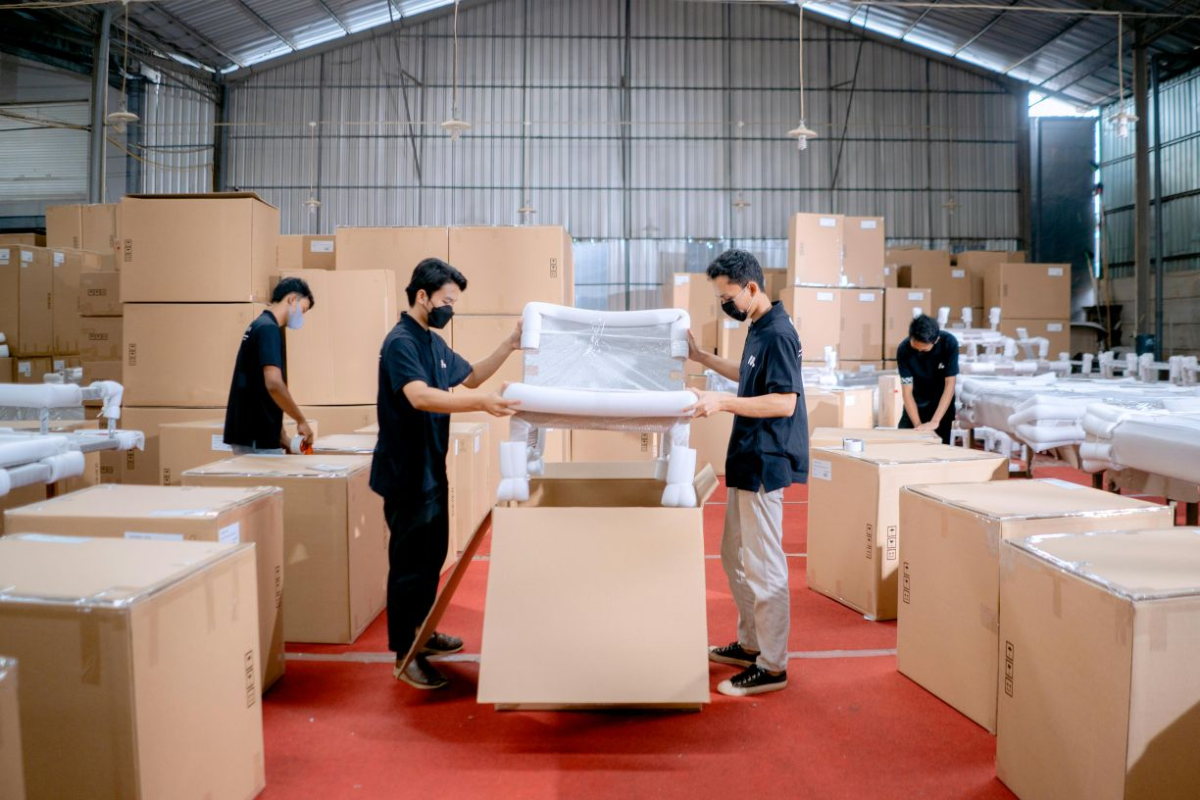
Packaging protects a product and communicates value. Your approach should balance durability, cost, and presentation. This holds whether you’re shipping bulk packaging to distributors or preparing retail packaging for store shelves.
Consider the materials you use. Options like shrink wrap and self-adhesive stretched foil are excellent for securing items during transit, especially when dealing with large volumes. For fragile items, adding cushioning or specialized molding material can prevent damage caused by vibration or impact.
At the same time, custom packaging allows you to tailor the experience to your brand. This is particularly important for consumer goods, where packaging often influences purchasing decisions.
Enhancing Flexibility With Modular Packaging Systems
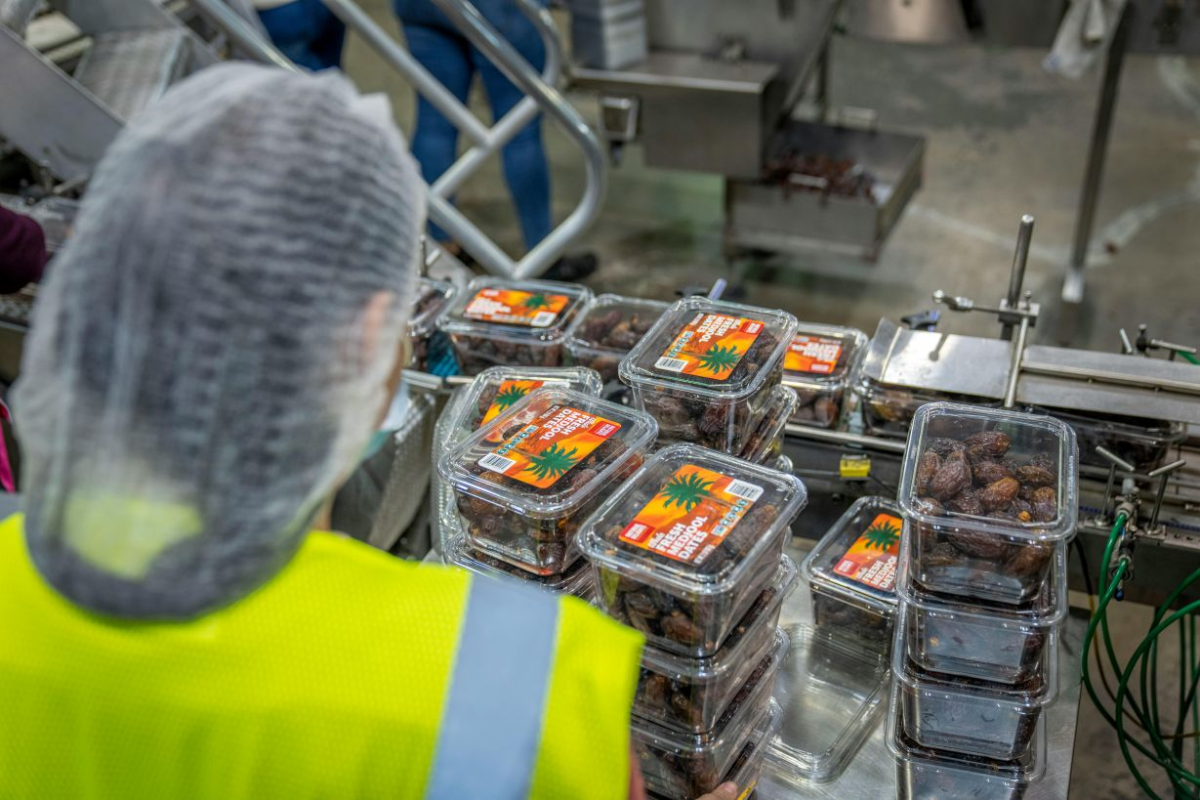
Modern markets demand flexibility. You may need to switch between product variations, adjust packaging sizes, or accommodate different distribution channels. This is where modular packaging systems come in.
These systems allow you to reconfigure packaging lines quickly without extensive downtime. For example, you can adapt your setup to handle both bulk packaging for wholesale and shrink-wrapped units for retail without completely overhauling your process. Flexibility also supports mass customization, enabling you to meet specific customer requirements without sacrificing efficiency.
The Role of Technology in Assembly and Packaging
Technology is transforming how manufacturers approach both assembly and packaging. Automation, data analytics, and smart systems have become essential for staying competitive. Automated packaging lines can handle repetitive tasks with speed and consistency, freeing up your workforce to focus on more complex activities.
In high-precision manufacturing environments, advanced tools like lithography equipment are used to create intricate patterns on semiconductor chip surfaces. While this level of precision may not apply to every industry, the underlying principle of using technology to improve accuracy applies across the board.
Managing Inventory and Supply Chain Complexity
The assembly or packaging process is connected to your supply chain. It can affect raw materials and final delivery schedules. Similarly, poor inventory management can disrupt even the most efficient operations.
To stay ahead, you need a system that tracks materials in real time, predicts demand, and minimizes excess stock. Doing so reduces costs and ensures that you have the right components available when needed.
Delays in sourcing electronic components can halt production entirely. You can mitigate these risks and keep your operations running smoothly by maintaining strong supplier relationships and using data-driven forecasting.
Leveraging Kitting and Pre-Assembly Services
Kitting services can significantly simplify your workflow. Grouping all necessary components into ready-to-use kits reduces the time spent searching for parts and ensures consistency across batches.
This approach is especially useful for complex assemblies involving multiple small parts, such as medical devices or IoT systems. It also improves accuracy, as each kit is prepared according to specific requirements.
Pre-assembly is another strategy worth considering. Completing certain steps in advance can reduce the workload on your main production line and improve overall efficiency.
Balancing Speed and Precision in Mass Production
Mass production often prioritizes speed, but that doesn’t mean you can afford to compromise on precision. The challenge is finding the right balance.
In some industries, even the smallest defect can render a product unusable. This is why high-precision manufacturing techniques are essential, even at scale. At the same time, automation can help maintain consistency without slowing down production. Combining both can meet client demands while maintaining high standards.
Custom Packaging for Diverse Markets
Different markets have different expectations. What works for one region or product category may not work for another. This is where custom designs come into play.
For example, packaging for handcrafted items sold on a weekend market requires a completely different approach compared to packaging for industrial equipment. The former emphasizes aesthetics and uniqueness, while the latter focuses on durability and functionality. Tailoring your approach helps meet customer expectations and enhance the overall experience.
Sustainability as a Competitive Advantage
Sustainability is a major factor in purchasing decisions. Manufacturers are under increasing pressure to reduce waste and adopt eco-friendly practices. The sustainable packaging market was valued at USD$ 270 billion in 2024. With the demand ever-increasing, it’s poised to climb to over USD$ 490 billion by 2034. This growth reflects a broader shift toward environmentally responsible production.
To stay competitive, consider using recyclable materials, reducing excess packaging, and optimizing your processes to minimize waste. Not only does this benefit the environment, but it also enhances your brand reputation.
Ensuring Product Integrity During Transit
Once your product leaves the facility, it faces a range of challenges: temperature changes, handling impacts, and long transit times. Proper packaging is essential to maintaining product integrity.
For sensitive items, incorporating cooling agents can help regulate temperature during shipping. This is particularly important for medical devices or products that require controlled environments. Additionally, ensuring that items are securely shrink-wrapped or otherwise stabilized reduces the risk of movement and damage.
Delivering Consistency Through Expert Solutions
Consistency is what builds trust. Whether you’re producing thousands of units or a limited run, your customers expect the same level of quality every time.
This is where expert solutions come into play. Combining skilled labor, advanced technology, and well-designed processes lets you achieve reliable results across all stages of production. From assembly to final packaging, every detail matters. When done right, it enhances not just the product but the overall customer service experience.
Closing Thoughts
Assembly and packaging are more than the final steps. They’re critical components of modern manufacturing success. When you approach them strategically, you improve efficiency, protect your products, and deliver a better experience to your customers.
Whether you’re dealing with consumer goods or complex industrial systems, the principles remain the same: build smarter, package better, and always keep the customer in mind. The key is to stay adaptable. Technologies evolve, customer expectations shift, and markets change. Focusing on smart processes, quality, and continuous improvement positions your operation to thrive in a competitive landscape.