Important Details to Include When Filing a Car Accident Report

The moments after a car crash feel chaotic, but the decisions you make about documentation can echo for years. According to the National Highway Traffic Safety Administration’s 2023 crash data, police respond to only about 60% of motor vehicle accidents nationwide — yet insurance companies and courts rely heavily on formal accident reports to determine fault and compensation. As digital reporting systems become the standard across most states and insurance claim processing grows increasingly automated, the gap between a well-documented incident and a poorly reported one often determines whether your claim moves smoothly or stalls indefinitely.
For anyone who’s just experienced a collision, understanding what information matters most — and how to capture it accurately — can mean the difference between a straightforward insurance resolution and months of disputes, denied claims, or unexpected liability. The details you include today shape every conversation that follows.
Why Accurate Accident Reporting Matters Now
Filing a complete accident report isn’t just paperwork — it’s your primary defense against disputed claims and unexpected liability down the road. Most states require drivers to file formal reports for accidents involving injuries, fatalities, or property damage exceeding $1,000 to $2,000, depending on jurisdiction. Beyond legal compliance, these reports serve as the foundational evidence for insurance adjusters, legal proceedings, and sometimes criminal investigations.
Here’s what catches many drivers off guard: insurance companies often begin their investigation within hours of being notified, sometimes before you’ve even filed an official report. When your documented version of events conflicts with what you told your insurance company immediately after the crash — perhaps because you were shaken up and missed crucial details — it raises red flags that can complicate your claim for months.
The accuracy of your initial report also determines how effectively you can challenge the other driver’s version of events. Consider someone who gets rear-ended at a red light but initially reports they were “stopping” rather than “completely stopped.” That small distinction becomes significant if the other driver claims you suddenly braked or weren’t paying attention. Insurance adjusters parse these details carefully, looking for any indication that fault might be shared or disputed.
Modern accident reports also feed into state databases that track traffic patterns, identify dangerous intersections, and influence future road design. Your detailed account contributes to broader traffic safety initiatives while protecting your immediate interests. The time you spend ensuring accuracy today prevents far larger headaches when dealing with insurance companies, legal proceedings, or even future background checks that might flag unresolved traffic incidents.
Key Information to Include in Your Car Accident Report
The foundation of any accident report starts with comprehensive driver and vehicle information — not just names and license plate numbers, but insurance policy details, vehicle identification numbers, and contact information for all parties involved. Many drivers focus on exchanging basic contact details at the scene but forget to document insurance policy numbers, which can delay claim processing significantly if the other party becomes uncooperative later.
Witness information proves invaluable when stories conflict. Record names, phone numbers, and a brief summary of what each witness observed, including their location when the accident occurred. Independent witnesses — people who weren’t passengers in either vehicle — carry the most weight with insurance adjusters and courts. Even if a witness only saw the immediate aftermath, their observations about vehicle positions, debris patterns, or driver behavior can corroborate your account.
Damage documentation requires more detail than most people initially capture. Beyond photographing obvious damage, note the specific location and extent of all vehicle damage, including scratches, dents, broken glass, and deployed airbags. Interior damage matters too — describe any damage to seats, dashboard components, or personal property. This comprehensive documentation becomes crucial if hidden damage emerges during repairs or if the other party later disputes the severity of impact.
Environmental factors significantly influence accident analysis but often get overlooked in the moment. Record weather conditions, road surface conditions (wet, dry, construction, debris), traffic signals or signs, lighting conditions, and any visual obstructions like parked cars or overgrown vegetation. A case might hinge on whether a stop sign was clearly visible or if morning sun glare contributed to the collision.
Finally, document the exact sequence of events while your memory remains sharp. Include your intended route, what you were doing immediately before impact (changing lanes, turning, stopped in traffic), and the approximate speed of all vehicles involved. Note any mechanical issues with your vehicle, use of turn signals or hazard lights, and whether any drivers appeared impaired or distracted. These details often prove decisive when insurance companies and attorneys begin investigating fault determination.
Common Mistakes and How to Avoid Them
The most costly mistake drivers make is admitting fault or apologizing at the scene, even when trying to be polite. Phrases like “I’m sorry” or “I didn’t see you” can be interpreted as admissions of guilt, regardless of your intent. Stick to factual observations when describing what happened — “My vehicle was struck on the passenger side” rather than “I ran the red light.” Save analysis and fault determination for insurance professionals and traffic investigators who have access to all evidence.
Delayed reporting creates unnecessary complications. While some states allow up to 10 days to file a report for property-damage-only accidents, waiting often works against you. Witness memories fade, evidence disappears, and the other party may file their version first, potentially influencing how investigators approach the case. File your report as soon as physically possible after ensuring everyone’s immediate safety and medical needs are addressed.
Incomplete contact information ranks among the most frustrating oversights. Beyond basic driver details, many people forget to record passenger names and contact information — yet passengers often provide crucial witness testimony about what happened inside the vehicles during impact. Also document the make, model, year, and color of all vehicles involved, not just license plate numbers. This redundancy helps if license plates are damaged or if there are transcription errors.
Failing to document seemingly minor details can undermine your credibility later. If you report that “both vehicles had minor damage” but repair estimates later exceed $5,000, insurance adjusters may question whether you accurately assessed the situation. When in doubt, over-document rather than under-document. Describing damage as “appears minor but requires professional assessment” provides more flexibility than definitive statements you can’t support.
Photography mistakes include taking pictures too close to show context, missing overall vehicle positioning, and failing to capture traffic control devices or road signage near the accident scene. Take wide shots showing vehicle positions relative to lane markings, intersections, and traffic signals, then move closer for detailed damage photos. Include photos of all vehicles involved, even those with seemingly no damage — sometimes minor contact points only become visible under different lighting conditions.
Legal and Insurance Consequences of Filing or Not Filing
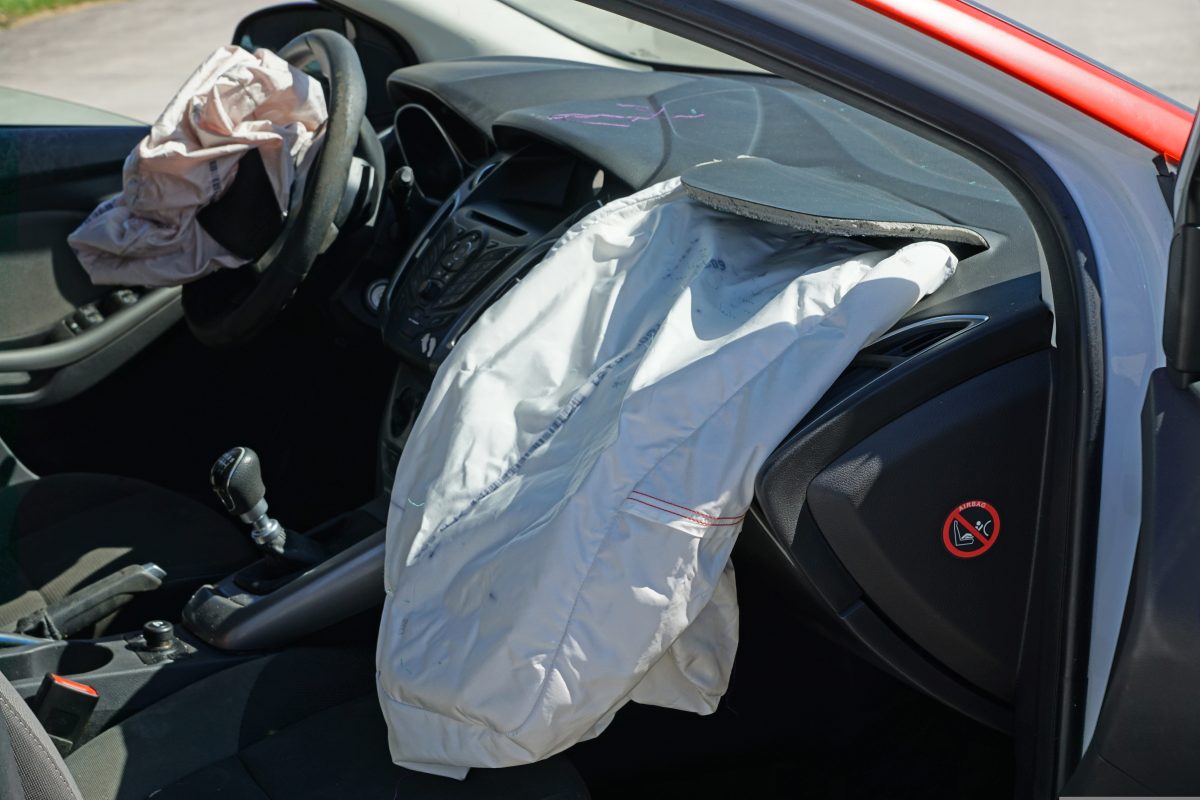
Image by Marcel Langthim from Pixabay
Skipping the accident report when required by state law can trigger license suspension, fines up to $500 in some jurisdictions, and automatic fault assignment for insurance purposes. Even in states where reports aren’t legally mandated for minor accidents, insurance companies often treat the absence of documentation as a red flag. Without an official report, you’re essentially asking your insurance company to take your word against another driver’s — a situation that rarely works in your favor when significant money is involved.
Inaccurate reporting carries more serious consequences than many drivers realize. Deliberately falsifying information on an accident report constitutes filing a false police report in most states, a misdemeanor that can result in fines, license suspension, and even jail time. Even unintentional inaccuracies can come back to haunt you if they contradict other evidence like traffic camera footage, witness statements, or vehicle damage patterns that don’t match your described sequence of events.
The timing of your report filing affects insurance claim processing significantly. Insurance companies use prompt reporting as an indicator of claim legitimacy. Delayed reporting — especially when the other party files first — can trigger additional investigation requirements, independent medical examinations for injury claims, and heightened scrutiny of your account. While legitimate reasons exist for delayed reporting (hospitalization, for example), insurance adjusters view late reporting skeptically until proven otherwise.
Your accident report becomes a permanent part of your driving record and can influence insurance rates for years. Multiple at-fault accidents, even minor ones, can result in policy cancellation or assignment to high-risk insurance pools with dramatically higher premiums. For individuals dealing with serious injuries from significant collisions, comprehensive documentation becomes even more critical when seeking car accident legal assistance to navigate complex insurance negotiations and potential litigation.
The legal discovery process in accident-related lawsuits typically begins with accident reports, making accuracy crucial if your case proceeds beyond insurance settlement discussions. Inconsistencies between your initial report, insurance statements, and later testimony can severely damage your credibility with juries. Defense attorneys routinely scrutinize these documents looking for contradictions they can exploit during cross-examination.
How to File and Submit Your Car Accident Report
Report Submission Methods and Deadlines
Most states now offer online reporting systems for property-damage-only accidents, streamlining the process significantly compared to traditional paper forms submitted by mail or in person. Online systems typically guide you through required fields, reducing the chance of missing critical information, and provide immediate confirmation of submission with a report number for your records. However, accidents involving injuries usually still require police response and formal investigation, bypassing self-reporting options entirely.
State deadlines vary considerably — California requires reports within 10 days for accidents exceeding $1,000 in damage, while Florida mandates reporting within 10 days only if someone was injured, killed, or if a vehicle was towed from the scene. Texas requires immediate reporting to local police for accidents involving injury, death, or property damage exceeding $1,000, with additional written reports due within 10 days. Check your specific state requirements since missing deadlines can invalidate your report and trigger legal penalties.
Police-reported accidents automatically generate official reports, but you may still need to file supplemental documentation with your state’s DMV or transportation department. Even when police respond, verify that they’re filing the required state report — some departments handle only criminal aspects of serious accidents while leaving civil reporting requirements to drivers.
Reviewing and Correcting Your Accident Report
Once submitted, most states allow 30 days to review your report and request corrections for factual errors. However, the amendment process varies significantly by jurisdiction — some states require notarized affidavits explaining the corrections, while others accept simple written requests. Document any errors immediately and follow your state’s specific correction procedures since insurance companies often obtain copies of reports before you have a chance to review them.
If you discover significant errors after the correction window closes, focus on documenting the accurate information through other channels rather than attempting to modify the original report. Insurance companies and attorneys can present additional evidence that contradicts report errors, but trying to change official documents outside established procedures can raise questions about your credibility. Instead, gather supporting documentation like repair estimates, medical records, or witness statements that support your version of events.
Keep copies of all submitted reports and confirmation numbers. Insurance companies sometimes claim they never received reports, and having proof of submission protects you from accusations of delayed or missing documentation. The few minutes spent organizing this paperwork today can save hours of phone calls and potential claim delays later in the process.