Why Are Smartphone Users Upgrading More Frequently?
Smartphone owners replace their devices more often than many other gadgets, and the upgrade cycle keeps getting shorter. People depend on phones for work, social life, and entertainment, so any weakness stands out fast. As performance fades and new technology appears, the gap between old and new models feels wider every year. Brands also release devices on tight schedules, pushing users to compare and reconsider sooner. Together, hardware limits, software demands, and strong marketing create powerful reasons to switch more frequently.
Performance Issues That Push Users to Upgrade
Battery Degradation and Daily Frustration
Battery life often fails long before the rest of the phone feels outdated. Lithium‑ion cells lose capacity with every charge cycle, and heavy use speeds up that damage. Users then deal with random shutdowns, shorter screen‑on time, and constant low‑battery warnings. Many avoid mid‑day charging and power banks, yet still run out of power during calls, navigation, or video. Repairs can be costly, slow, or difficult in sealed designs. A new phone promises all‑day life again, so people upgrade rather than tolerate these daily hassles.
Slower Speed and App Performance Problems
As apps grow larger and more complex, older phones struggle to keep up. New operating system updates need more processing power and memory, which exposes limits in aging hardware. Users notice lag when scrolling feeds, switching between apps, or loading games. Background tasks stall, cameras open slowly, and storage fills with cached files and media. Clearing space or disabling apps offers only brief relief. When routine tasks like payments or messaging start to feel sluggish, many users choose a fresh device to regain the smooth performance they expect.
Technology Advances Driving Faster Upgrades
New Features Like AI, 5G, and Better Cameras
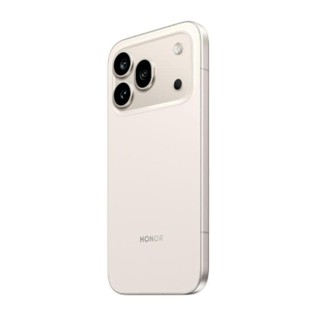
Rapid progress in mobile technology makes two- or three-year-old phones look primitive. New models offer AI tools for photos, voice assistance, and productivity that older chips cannot handle well. Wider 5G coverage tempts users who still rely on slower networks and want faster streaming and downloads. Camera improvements also matter a lot: larger sensors, better night mode, and advanced stabilization clearly improve results. People compare their shots to friends’ photos and see the difference. These visible gains convince many owners that an upgrade gives real, everyday benefits, especially when comparing current models and checking the honor 600 pro price uk before making a purchase decision.
Design Innovations and Premium Experiences
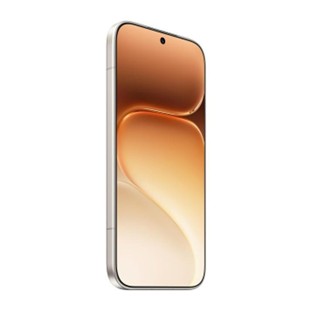
Modern smartphones focus on sleek designs and immersive experiences that make older phones feel clunky. Thinner bezels, brighter high‑refresh‑rate displays, and premium materials create a clear visual and tactile upgrade. Some models add folding screens, stylus support, or stronger durability with better glass and water resistance. Improved speakers, haptic feedback, and faster biometric unlocking also shape the daily experience. When users test new devices in stores, their current phones can feel outdated at once. This contrast in look and feel often becomes a major trigger to upgrade.
Market Strategies That Encourage Frequent Upgrades
Trade-In Programs and Installment Plans
Carriers and manufacturers design offers that make frequent upgrades feel affordable and simple. Trade‑in programs give credit for old devices, cutting upfront costs and reducing the pain of full retail prices. Monthly installment plans spread payments over long periods, so users focus on small bills instead of the total cost. Some plans even promise regular upgrades if conditions are met. These financial structures normalize switching every one or two years. As a result, many people treat phones like subscriptions rather than long‑term purchases to keep for five years.
Marketing Cycles and Product Launch Pressure
Smartphone makers follow yearly or even faster release cycles, and each launch brings heavy promotion. Teaser campaigns, keynote events, and influencer reviews highlight new features while stressing what older models lack. Social channels fill with unboxings and camera tests that frame the latest device as a major leap. Limited‑time discounts and pre‑order bonuses create fear of missing out. Even if users feel satisfied, constant reminders of “better” phones plant doubts. This ongoing marketing drumbeat encourages shorter upgrade cycles and keeps attention firmly on the newest models.
Changing User Expectations and Lifestyle Needs
Smartphones as Daily Essential Tools
Phones now act as wallets, cameras, planners, and workstations, not just communication tools. Many people rely on them for banking, navigation, remote work, and smart‑home control. As these tasks become more important, tolerance for glitches or slowdowns shrinks. Users expect instant performance, strong security, and reliable connectivity. Any weakness feels risky or unprofessional, especially for those who handle clients or time‑critical work on the go. When an older phone starts to interfere with daily routines, investing in a new device feels like a necessary upgrade, not a luxury.
Social Trends, Content Creation, and Status
Social media and content platforms push people to capture and share high‑quality photos and videos all the time. Better cameras, smoother video, and advanced editing tools help users stand out online. Many creators and influencers upgrade often to keep up with platform trends and audience expectations. Outside of content creation, phones also act as status symbols, signaling taste and success. Seeing peers with the latest model can create subtle pressure to switch, especially among younger users. Fashion, identity, and digital visibility all feed into more frequent upgrades.
Conclusion
Frequent smartphone upgrades result from a mix of technical limits, rapid innovation, and shifting habits. Batteries degrade, performance slows, and apps demand more power, making older devices feel restrictive. At the same time, new phones deliver tangible gains in cameras, connectivity, design, and premium features. Carriers and brands then add financial incentives and marketing pressure that normalize quick replacement. Because phones now sit at the center of daily life and identity, many users often see upgrading as a practical and social choice, not just a tech indulgence.