Industrial Guide to the Dual Truss Container Shelter in Logistics OperationsIntroduction: Market Context in the United States
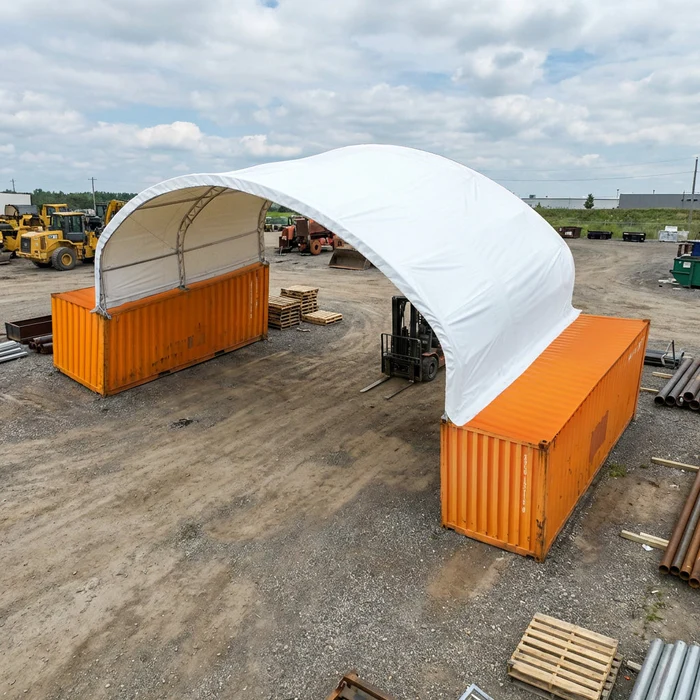
The growth of e commerce, infrastructure projects, and decentralized warehousing in the United States has increased demand for flexible storage solutions. Many logistics facilities require rapid deployment of covered space without the long timelines of permanent construction. A 40′ x 20′ dual truss container shelter provides a practical solution by using shipping containers as a base structure and a reinforced roof system for protection. It supports operations such as material storage, equipment protection, and temporary workflow expansion. This approach is especially useful in regions where seasonal demand fluctuates and temporary capacity must be added without long term commitment.
Technical Overview and ApplicationsBasic Structure and Design
A dual truss container shelter consists of a steel frame mounted between two containers, covered by a heavy polyvinyl chloride fabric. The dual truss system distributes load evenly and improves structural stability. The modular design allows installation without complex foundation work, which reduces site preparation requirements.
Common Use Cases
- Temporary warehouse expansion
- Vehicle and equipment storage
- Loading and staging areas
- Agricultural material protection
Efficiency, Safety, and Productivity
Covered working areas improve operational continuity in varying weather conditions. Workers can load and unload goods without exposure to rain or snow, which reduces delays and material damage. Organized covered space also supports safer movement of forklifts and reduces congestion in core warehouse zones. In addition, defined covered zones improve workflow planning and reduce idle time during peak operations.
Technical Considerations
- Compatibility with standard shipping containers
- Load bearing capacity of the truss system
- Durability of the polyvinyl chloride cover
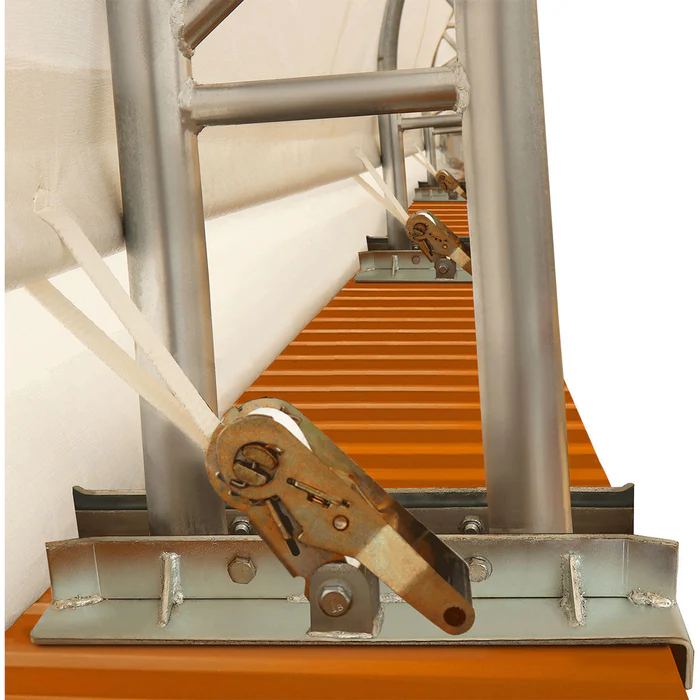
- Ease of installation and anchoring
Factors Affecting Performance
Performance depends on environmental and operational conditions:
- Wind and snow loads influence structural stability
- Installation quality affects long term durability
- Material handling traffic impacts surrounding ground conditions
- Maintenance of the cover prevents wear and tear
Safety Considerations and Best Practices
- Ensure proper anchoring to containers and ground
- Inspect frame connections regularly
- Keep clear pathways for equipment movement
- Remove accumulated snow or debris from the roof
- Provide adequate lighting for enclosed operations
Equipment Types and Accessories
Container shelters can include additional components:
- End walls for full enclosure
- Roll up or sliding doors
- Ventilation panels
- Lighting systems
Advantages and LimitationsAdvantages
- Fast installation compared to permanent buildings
- Lower capital investment
- Flexible relocation and expansion
- Protection from environmental conditions
Limitations
- Not a substitute for permanent insulated structures
- Requires regular inspection and maintenance
- Performance varies under extreme weather conditions
Real World Example
A distribution center in the Midwest used a dual truss container shelter to expand staging space during peak season. By installing the structure between existing containers, the facility created a covered loading zone within one week. This reduced loading delays and improved inventory handling efficiency without interrupting daily operations. The temporary structure also allowed the facility to adjust layout after the peak period without major reconstruction costs.
Conclusion and Future Trends
The 40′ x 20′ dual truss container shelter provides a practical solution for temporary and semi permanent storage needs in logistics environments. Its modular design supports rapid deployment and flexible use. Future trends include improved fabric materials, stronger truss systems, and integration with monitoring systems for structural condition and environmental data. These developments will support better planning, safer operations, and more efficient use of temporary industrial space.