How Highway Accidents in Tulsa, OK Can Disrupt Everyday Life
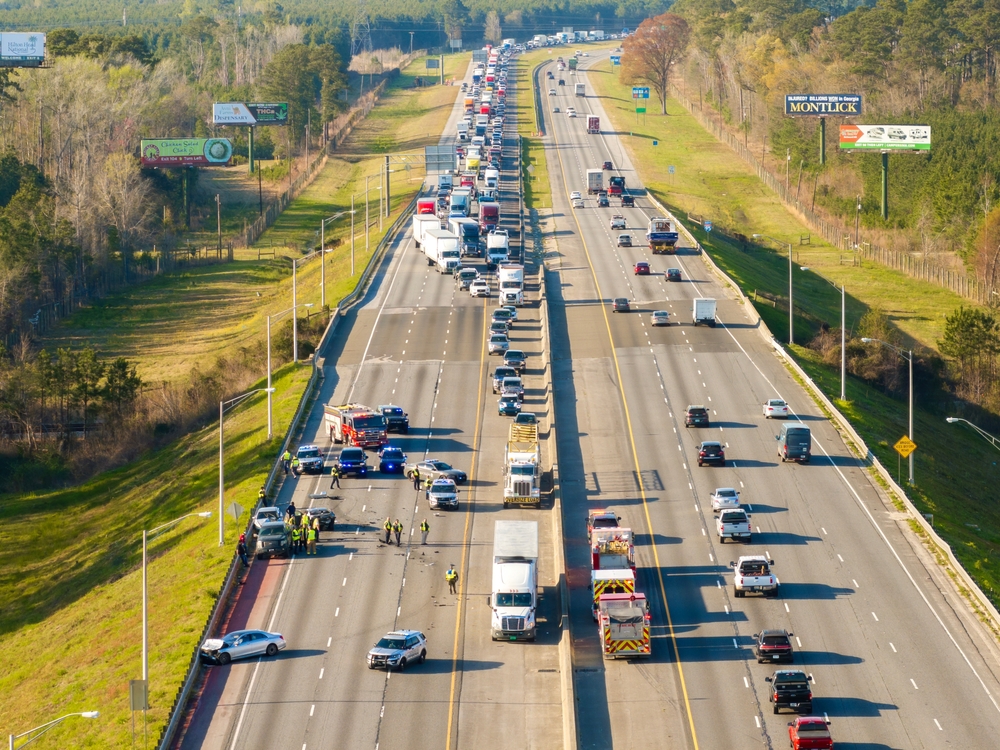
Tulsa highways rarely slow down for long. Traffic keeps moving across busy roads filled with commercial trucks, fast lane changes, crowded exits, and drivers trying to reach work or home before traffic grows worse. A serious highway crash can interrupt normal life far beyond the damaged vehicles left on the road. Routines suddenly change, stress builds quickly, and even simple responsibilities begin feeling harder to manage. Highway accidents often create problems that continue long after the scene clears and traffic begins moving again across Oklahoma roads.
Many people discover that life feels completely different after a Tulsa highway accident because recovery affects much more than physical injuries alone. Daily schedules, transportation, finances, work routines, and emotional stability may all become difficult at the same time. Tulsa drivers already deal with crowded highways and unpredictable traffic conditions throughout Oklahoma, which adds extra pressure during recovery. The disruption quietly grows during the days following the crash, especially while medical appointments, insurance calls, and repair issues continue piling up.
Everyday Routines Often Change More Than People Expect
Work Schedules Can Become Difficult to Manage
A serious highway accident can quickly interrupt work routines that once felt normal and predictable. Medical visits, physical pain, and transportation problems may force people to miss shifts or reduce working hours while trying to recover.
Some drivers in Tulsa spend long hours commuting across busy Oklahoma highways every day, which becomes difficult after an accident causes neck pain, back injuries, or mobility problems. Sitting comfortably during long drives may suddenly feel exhausting. Even office work can become stressful because physical discomfort often affects concentration and energy throughout the day.
Transportation Problems Create Daily Frustration
Vehicle damage creates more disruption than many people first expect. Tulsa drivers often rely heavily on their vehicles for work, school schedules, grocery trips, and family responsibilities. Losing access to reliable transportation can affect nearly every part of daily life.
Repair delays may continue for weeks while insurance discussions move slowly. Depending on rides from others or arranging temporary transportation often creates frustration that adds more pressure during recovery. Some highway crashes involving larger vehicles or even certain bus accident situations may leave victims struggling with transportation issues much longer than expected because of the severity of the collision itself.
Medical Recovery Starts Taking Over Daily Life
Recovery after a highway accident often becomes its own full-time responsibility. Follow-up appointments, physical therapy, medications, and ongoing treatment schedules may begin controlling large parts of the week.
Simple tasks sometimes become difficult because pain affects movement and energy levels. Carrying groceries, sleeping comfortably, standing for long periods, or driving through Tulsa traffic may suddenly feel physically exhausting. Many people underestimate how much recovery can slowly take over normal routines until daily life no longer feels familiar.
Financial Stability Often Feels Uncertain
Financial pressure usually begins quickly after a highway crash. Medical expenses, repair bills, missed workdays, and extra transportation costs may all start building at the same time. That pressure becomes even harder during long recovery periods, where injuries continue affecting work schedules.
Some Tulsa drivers also face additional stress because insurance payments and repair decisions may take longer than expected. Financial uncertainty quietly affects everyday choices, especially while bills continue arriving during recovery.
Mental Stress Changes Normal Daily Habits
Highway accidents often create emotional exhaustion that people rarely expect during the first days after the crash. Driving through crowded Tulsa highways again may create anxiety, especially around fast-moving traffic or busy merging lanes.
Mental stress also grows from balancing appointments, paperwork, transportation problems, and financial pressure. Many people feel constantly tired trying to manage everything while also recovering physically. The emotional side of highway accidents often stays hidden because visible injuries usually receive more attention.
The Problems That Usually Appear Days Later
Delayed Pain Can Create Confusion
Some injuries become noticeable only after several days have passed. Headaches, stiffness, shoulder pain, or lower back discomfort may continue growing even after victims initially believed they had avoided serious injuries.
Delayed symptoms sometimes create frustration because insurance companies may question why treatment was not received immediately. Many accident victims genuinely do not realize how serious their condition is until the body begins reacting days later.
Paperwork and Insurance Issues Keep Growing
Insurance communication often becomes more stressful as time passes. Forms, repair estimates, medical paperwork, and repeated phone calls may continue arriving while recovery is already becoming exhausting.
Small details can also become harder to remember later, which is why organized records matter after highway crashes.
- Keep photographs from the accident scene
- Save medical treatment records
- Track expenses connected to recovery
- Keep copies of insurance communication
- Organize repair estimates and bills
- Write down delayed symptoms if they appear
Many people handling problems after a Tulsa highway accident later realize that missing paperwork or incomplete records created unnecessary confusion during insurance discussions.
Closing Perspective
Highway accidents often disrupt much more than transportation across Tulsa, Oklahoma. Physical recovery, financial pressure, emotional stress, and daily responsibilities usually collide all at once, making ordinary routines feel difficult to manage. Many people underestimate how deeply these crashes affect everyday life until recovery slowly takes over nearly every part of their schedule.