The Surprising Confidence Boost From Smile Makeovers
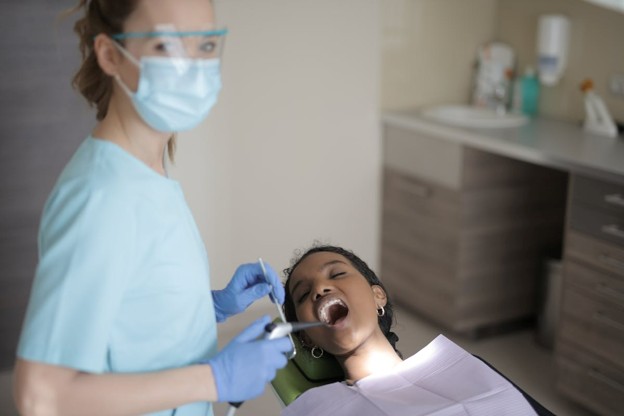
According to the American Academy of Cosmetic Dentistry‘s 2024 patient survey, 92% of adults believe an attractive smile is an important social asset — yet nearly 60% report feeling self-conscious about their teeth when meeting new people. As cosmetic dentistry technology advances and becomes more accessible, smile makeovers have evolved from luxury treatments to practical investments in personal and professional success. The gap between those who feel confident showing their smile and those who habitually cover their mouth when laughing continues to influence everything from job interviews to dating prospects.
What many people don’t realize is that the benefits of smile makeovers extend far beyond appearance. The transformation often creates a cascade of positive changes — improved oral health, enhanced facial harmony, measurable psychological benefits, and even unexpected social advantages. For anyone considering whether a smile makeover might be worth the investment, understanding these multifaceted benefits reveals why the confidence boost often surprises even the most skeptical patients.
How Smile Makeovers Improve Oral Health and Facial Harmony
The most immediate benefit of a smile makeover involves correcting functional problems that may have persisted for years. When teeth are severely worn, chipped, or misaligned, they often create bite issues that strain jaw muscles and accelerate further dental damage. Comprehensive smile makeover treatments address these underlying mechanical problems while simultaneously improving appearance.
Consider someone whose front teeth have worn down from years of unconscious grinding — their bite has gradually shifted, creating jaw tension and making it difficult to chew certain foods properly. A smile makeover using porcelain crowns or veneers doesn’t just restore the tooth length and shape; it reestablishes proper bite alignment, reducing muscle strain and preventing further wear.
The facial harmony improvements often catch patients off guard. Teeth play a crucial role in supporting facial structure, particularly around the mouth and lower face. When teeth are too short, worn, or poorly positioned, the lower third of the face can appear collapsed or asymmetrical. Restorative treatments that rebuild tooth height and improve positioning create better lip support, enhancing natural facial proportions.
Modern smile makeover planning uses digital imaging to show patients how different tooth shapes, sizes, and positions will affect their overall facial appearance. This technology reveals how subtle changes in tooth length can make someone appear younger, or how adjusting the smile line creates better balance with other facial features. The result is a transformation that looks natural rather than artificial — an enhancement of existing features rather than a complete redesign.
These functional and aesthetic improvements work together to create lasting value. Patients often report that foods they’d avoided for years become enjoyable again, and the improved facial support gives them confidence in profile photos they’d previously avoided. The health benefits continue long-term, as properly aligned teeth are easier to clean and maintain.
What Research Shows About Psychological Impact and Confidence Gains
Studies on Self-Esteem and Social Confidence
Psychological research consistently demonstrates measurable improvements in self-perception following smile makeover treatments. A longitudinal study published in the Journal of Cosmetic Dentistry tracked patients for 12 months after completing smile makeovers and found significant increases in self-reported confidence scores, with the most dramatic improvements occurring within the first three months.
The mechanism appears to involve what researchers call “positive feedback loops.” When people feel better about their smile, they smile more frequently and openly. This increased smiling triggers positive social responses from others — more eye contact, warmer greetings, more engaged conversations. These positive interactions reinforce the individual’s confidence, creating an upward spiral that extends far beyond dental concerns.
Social psychology studies reveal that people make judgments about intelligence, success, and trustworthiness within milliseconds of seeing someone’s smile. While these snap judgments aren’t fair or accurate, they significantly influence first impressions in professional and social settings. Patients who undergo smile makeovers often report surprise at how differently they’re treated in situations ranging from job interviews to casual social encounters.
The confidence gains appear to be particularly pronounced in professional settings. Research tracking career advancement after cosmetic dental treatment shows measurable improvements in workplace confidence, willingness to speak up in meetings, and comfort with public speaking or presentations.
Expert Insights on Emotional and Social Benefits
Cosmetic dentists and psychologists working in this field observe that the emotional transformation often exceeds patients’ expectations. Dr. Susan Chen, a researcher at the University of California’s dental psychology program, notes that many patients report feeling “like themselves again” after treatment — suggesting the improvement restores confidence they once had rather than creating something entirely new.
The social benefits extend to intimate relationships as well. Patients frequently mention feeling more comfortable with close physical proximity, laughing without restraint, and engaging in activities they’d previously avoided due to smile-related self-consciousness. These changes can improve relationship dynamics and social connections in ways that create lasting life improvements.
Practitioners specializing in professional smile makeovers in Colonia report that patients often return months later to share unexpected benefits — promotions at work, renewed dating confidence, or simply the joy of laughing freely with family. The psychological impact appears to compound over time as patients internalize their new confidence and apply it to previously avoided situations.
Mental health professionals working with patients who have dental anxiety note that successful smile makeover experiences often reduce general healthcare avoidance. When people have positive experiences with dental treatment and see dramatic improvements, they become more proactive about other health maintenance, creating broader wellness benefits.
How Smile Makeovers Are Done and Recent Advancements
Comparing Traditional and Non-Surgical Approaches
Modern smile makeover options span a spectrum from minimally invasive treatments to comprehensive reconstructions, allowing customization based on individual needs and preferences. Porcelain veneers remain the gold standard for dramatic cosmetic improvements, requiring minimal tooth reduction while providing exceptional durability and natural appearance. These thin shells correct color, shape, size, and alignment issues simultaneously, typically lasting 15-20 years with proper care.
Composite bonding offers a more conservative approach, building up tooth structure with tooth-colored resin materials. While less durable than porcelain, bonding can often be completed in a single visit and costs significantly less. This approach works particularly well for minor chips, gaps, or shape corrections where extensive tooth preparation isn’t necessary.
Teeth whitening combined with contouring creates surprising transformations for patients whose primary concerns involve color and minor shape irregularities. Professional whitening systems can lighten teeth by 6-8 shades, while strategic reshaping eliminates chips and smooths rough edges. This combination approach delivers noticeable improvements without permanent alterations to tooth structure.
The key advantage of working with experienced cosmetic dentists is their ability to combine multiple techniques for optimal results. A comprehensive smile makeover might use whitening to establish the desired shade, veneers on the most visible teeth, and crowns on back teeth that require functional restoration.
Innovations in Smile Makeover Technology
Digital smile design has revolutionized treatment planning by allowing patients to preview their results before any irreversible procedures begin. Advanced imaging systems create precise 3D models of existing teeth, then demonstrate how different treatment options will affect appearance. This technology eliminates guesswork and ensures patient satisfaction with the planned outcome.
CAD/CAM technology enables same-day fabrication of porcelain restorations in many cases, reducing treatment time from weeks to hours. These computer-controlled milling systems create precisely fitted crowns and veneers from high-strength ceramic blocks, often eliminating the need for temporary restorations and multiple appointments.
Modern materials continue to improve in both strength and aesthetics. Lithium disilicate ceramics provide exceptional durability while maintaining translucency that mimics natural tooth enamel. These materials allow for thinner restorations that require less tooth preparation while delivering superior longevity.
Laser technology enhances both treatment comfort and precision. Soft tissue lasers can reshape gum lines with minimal discomfort and faster healing, while hard tissue lasers enable precise tooth preparation with reduced need for anesthesia in many cases.
How to Prepare for Your Smile Makeover and Maintain Results
Steps Before the Procedure
Comprehensive consultation forms the foundation of successful smile makeover treatment. During this phase, expect detailed photography, impressions or digital scans, and extensive discussion of your goals and concerns. The best outcomes occur when patients clearly communicate their expectations while remaining open to professional recommendations about what’s achievable and appropriate.
Oral health optimization must precede cosmetic treatment. Any existing gum disease, decay, or bite problems need resolution before smile makeover procedures begin. This preparation phase might involve deep cleaning, fillings, or orthodontic treatment, but addressing these issues ensures long-term success of the cosmetic work.
Lifestyle factor discussions help set realistic expectations and plan for optimal healing. Habits like teeth grinding, nail biting, or chewing ice can compromise cosmetic restorations, so identifying these patterns allows for appropriate protective measures. Similarly, discussing dietary preferences and social obligations helps time treatment appropriately.
Financial planning benefits from understanding the full scope of recommended treatment upfront. While comprehensive smile makeovers represent significant investments, most practices offer financing options and can phase treatment to spread costs over time while still achieving cohesive results.
Long-Term Care and Maintenance Strategies
Daily maintenance routines for smile makeover results differ slightly from natural tooth care. While porcelain restorations don’t decay, the underlying tooth structure and surrounding gums require meticulous cleaning. Non-abrasive toothpaste prevents scratching of polished surfaces, while regular flossing maintains gum health around restoration margins.
Professional maintenance extends the life of cosmetic work significantly. Regular cleanings every 3-6 months allow early detection of any issues, while periodic polishing maintains the luster of porcelain surfaces. Most cosmetic dentists recommend annual evaluation appointments to assess restoration integrity and bite stability.
Protective measures become crucial for preserving investment in smile makeover treatment. Custom night guards protect against grinding damage, while avoiding habits like opening packages with teeth or chewing on hard objects prevents chips and fractures. Sports participants need properly fitted mouth guards to protect cosmetic work from impact.
Understanding what to monitor helps patients catch potential problems early. While porcelain restorations are highly durable, they can chip or debond if subjected to excessive force. Recognizing signs like rough edges, sensitivity, or changes in bite allows prompt professional attention before minor issues become major problems.
The commitment to maintaining smile makeover results often motivates patients toward better overall oral health habits. Many report that investing in cosmetic treatment makes them more conscientious about regular dental visits and daily care routines. This improved maintenance approach benefits not just the cosmetic work but overall dental health for years to come. For those ready to take this step, working with qualified professionals ensures both immediate satisfaction and lasting confidence in your transformed smile.