Is Professional Teeth Whitening Worth the Cost?
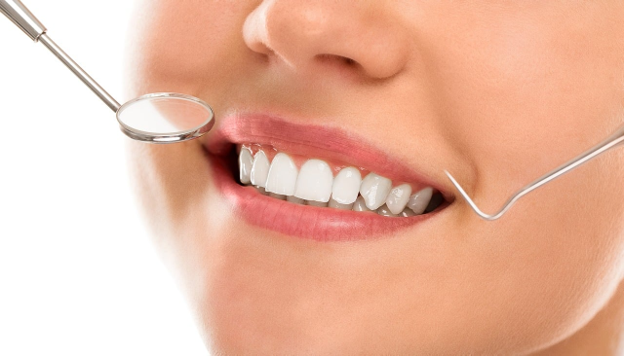
The American Dental Association reports that over 90% of patients request information about teeth whitening during routine dental visits — yet the actual treatment uptake remains surprisingly low, with many opting for over-the-counter alternatives that promise similar results at a fraction of the cost. As social media continues to amplify appearance-focused culture and professional whitening technology advances rapidly, the gap between consumer expectations and realistic outcomes has never been wider.
For anyone considering whitening treatments, the stakes extend beyond aesthetics. Inappropriate whitening can damage enamel permanently, while effective treatment requires understanding your specific type of tooth discoloration — something most at-home products don’t account for. The decision between professional and DIY approaches ultimately comes down to safety, effectiveness, and long-term dental health. Understanding how these options truly differ, what the science reveals about whitening mechanisms, and which approaches work for different dental conditions provides the foundation for making an informed choice about whether professional treatment justifies its higher upfront cost.
How Do Professional Teeth Whitening Methods Differ from At-Home Treatments?
The fundamental difference lies in concentration and supervision. Professional whitening uses hydrogen peroxide concentrations between 15-35%, while over-the-counter products are legally limited to 10% or less. This isn’t just about strength — higher concentrations require careful application techniques and protective measures that only trained professionals can provide.
Consider someone with undiagnosed gum recession trying a DIY whitening kit. The exposed root surfaces, which lack enamel protection, can suffer severe sensitivity or damage when exposed to whitening agents without proper isolation. A dentist would identify this condition during examination and either modify the treatment or recommend alternative approaches.
Professional treatments also involve custom-fitted trays created from dental impressions, ensuring even product distribution and preventing gel from contacting gums excessively. Store-bought strips and generic trays often create uneven coverage, leading to patchy results or chemical burns on soft tissue. The precision of custom trays means the whitening agent stays exactly where it should for the prescribed duration.
Treatment duration and monitoring represent another crucial distinction. Professional in-office procedures typically achieve dramatic results in 60-90 minutes under controlled conditions, with dentists able to adjust concentration or technique if sensitivity occurs. At-home professional kits prescribed by dentists come with specific protocols and follow-up appointments to monitor progress and address issues.
The oversight factor cannot be overstated. Dental professionals assess tooth health, existing restorations, and potential contraindications before treatment. They can identify when whitening won’t work — such as with intrinsic stains from tetracycline antibiotics or dental fluorosis — potentially saving patients weeks of ineffective home treatment.
How Does Teeth Whitening Work Scientifically and Is It Safe?
Hydrogen peroxide breaks down into water and oxygen molecules when it contacts tooth enamel. The oxygen molecules penetrate the porous enamel structure and break apart the complex organic compounds responsible for staining — specifically chromogens that have bonded to tooth structure over time. Think of it as a controlled oxidation process that disassembles stain molecules without fundamentally altering tooth structure.
The process works differently on various types of discoloration. Extrinsic stains from coffee, wine, or tobacco sit primarily on the enamel surface and respond quickly to whitening agents. Intrinsic stains — discoloration within the tooth structure from trauma, medications, or aging — require longer treatment periods and higher concentrations to achieve noticeable change.
Recent dental research reveals that enamel temporarily becomes more porous during active whitening, which explains the common side effect of increased tooth sensitivity. This porosity typically resolves within 24-48 hours after treatment ends, but it creates a window where teeth are more susceptible to staining and sensitivity.
Safety concerns center around three main areas: enamel integrity, soft tissue irritation, and nerve sensitivity. Studies published in dental journals show that professional-strength whitening doesn’t permanently damage healthy enamel when used according to protocols. However, overuse — particularly with high-concentration products — can lead to enamel erosion and permanent sensitivity.
The most significant safety advantage of professional treatment involves real-time monitoring. Dentists can immediately address excessive sensitivity by adjusting concentration, applying desensitizing agents, or modifying treatment duration. They also use protective barriers to shield gums and can reverse adverse reactions quickly.
Home whitening products, while generally safe when used as directed, carry higher risks when misused. The temptation to leave products on longer than recommended or use them more frequently than suggested can lead to chemical burns, enamel damage, or severe sensitivity that requires professional intervention to resolve.
What Are the Best Teeth Whitening Options for Different Needs?
The effectiveness of whitening treatments depends heavily on stain type, tooth sensitivity, and existing dental work. Someone with crowns or veneers on their front teeth faces a unique challenge — whitening agents don’t affect artificial materials, potentially creating noticeable color mismatches that require restoration replacement after treatment.
For surface stains from dietary habits, professional-grade whitening toothpastes containing gentle abrasives often provide meaningful improvement with minimal sensitivity. These work through physical removal of superficial discoloration rather than chemical breakdown, making them suitable for maintenance between professional treatments.
Moderate intrinsic discoloration typically requires professional intervention to achieve satisfactory results. Take-home kits prescribed by dentists offer a middle ground — professional-strength gels in custom trays used over several weeks. This approach allows gradual lightening with lower daily sensitivity compared to in-office treatments.
When exploring cosmetic dentistry options, patients with severe intrinsic staining might benefit from alternative approaches like porcelain veneers rather than attempting intensive whitening protocols that may prove ineffective.
Combination approaches often work best for complex cases. A dentist might begin with professional whitening to achieve maximum natural lightening, then use veneers or bonding to address specific teeth that didn’t respond adequately. This strategy optimizes both cost and aesthetic outcomes.
Which Whitening Methods Are Best for Sensitive Teeth?
Potassium nitrate-based desensitizing treatments before whitening can significantly reduce discomfort. Many dental offices now apply these agents as a preparatory step, allowing sensitive patients to tolerate higher concentrations of whitening products.
Lower-concentration, longer-duration protocols work better for sensitive teeth than intense, short-term treatments. Custom trays with 10-15% hydrogen peroxide used for shorter periods daily often achieve comparable results to higher concentrations with less sensitivity.
Fluoride treatments immediately after whitening help remineralize temporarily porous enamel and reduce sensitivity. Professional treatments typically include these protective steps, while home users must remember to incorporate fluoride rinses or toothpastes into their routine.
The timing strategy matters significantly. Using whitening products before bedtime allows teeth to remineralize overnight without exposure to acidic foods or beverages that could exacerbate sensitivity during the vulnerable post-treatment period.
These dentists in Franklin TN add that by taking a gradual, well-paced approach, individuals can achieve a noticeably brighter smile without compromising their personal comfort. Consulting with a dental professional before beginning any treatment ensures that the chosen method is tailored to your unique tolerance levels, helping you safely balance effective aesthetic results with optimal tooth and gum health.
How to Choose the Right Whitening Option for Your Teeth
Start with a professional assessment to identify your dominant stain type and any contraindications. Tetracycline staining, for example, requires specific protocols and realistic expectation-setting that general whitening products can’t address effectively.
Consider your lifestyle and commitment level. In-office treatments require minimal time investment but higher upfront costs. Take-home professional kits demand consistent daily use for 2-3 weeks but offer more gradual, controllable results.
Factor in existing dental work and future plans. If you’re considering veneers or crowns in the near future, whitening your natural teeth first provides the best color-matching foundation for these restorations.
Budget for maintenance. Professional results typically last 1-3 years depending on diet and habits, but maintaining them requires ongoing touch-up treatments or lifestyle modifications to prevent re-staining.
What Are Common Teeth Whitening Misconceptions and Potential Risks?
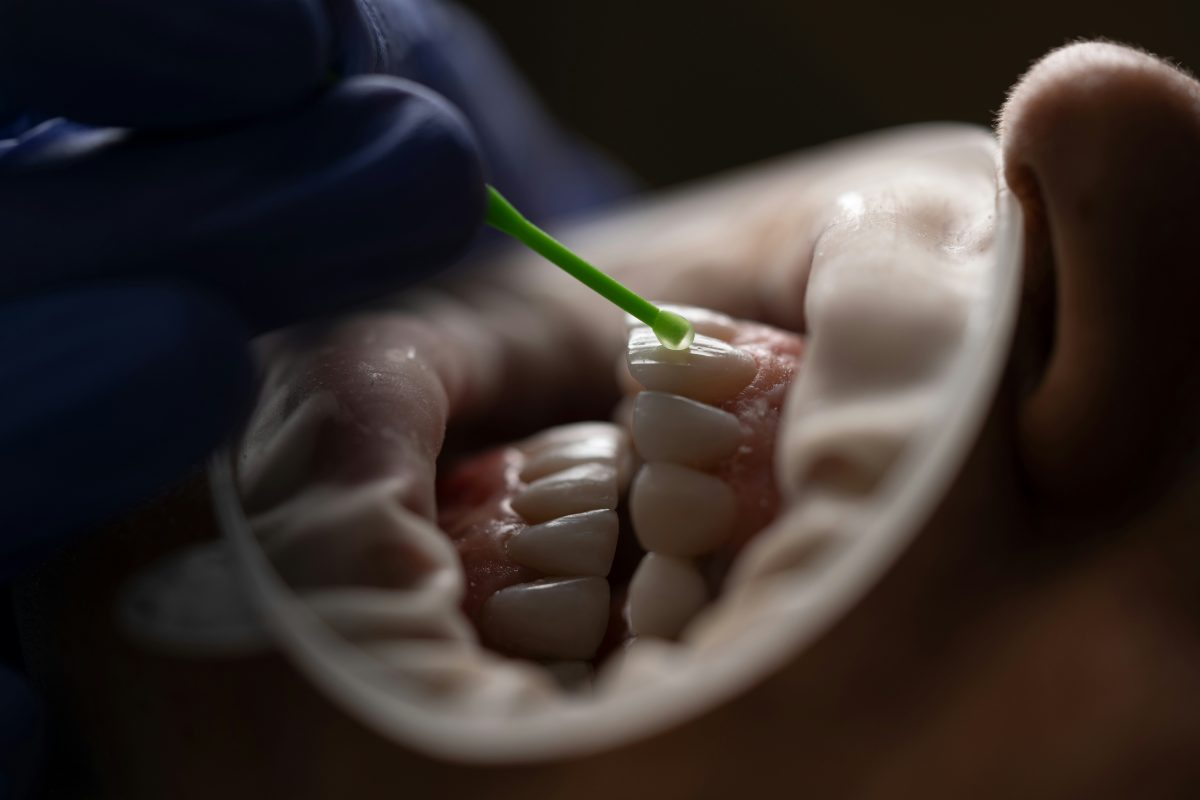
Photo by Kamal Hoseinianzade on Unsplash
The biggest misconception involves universal effectiveness — the belief that whitening works equally well on all types of discoloration. Gray-toned stains from tetracycline antibiotics respond poorly to standard whitening protocols, while yellow-brown stains from aging or dietary habits typically lighten dramatically. Many people spend months with ineffective treatments because they haven’t identified their specific stain type.
“Natural equals safe” represents another dangerous assumption. Lemon juice, baking soda, and other home remedies can be more abrasive than commercial whitening products. The acidic nature of many DIY whitening solutions can erode enamel permanently, creating sensitivity and increased staining susceptibility that professional treatment can’t reverse.
The “whiter is always better” mentality drives many people toward overuse. Teeth have natural color variations, and attempting to achieve artificially white results often leads to an unnatural appearance that contrasts poorly with facial features. Professional treatments aim for improvement within each person’s natural range rather than a standardized “perfect” white.
Timing misconceptions also create problems. Many people expect immediate results from at-home products that require weeks of consistent use to show effects. Conversely, they may not realize that professional results continue improving for several days after treatment as the whitening process completes.
Overuse risks include permanent enamel thinning, increased cavity susceptibility, and nerve damage leading to chronic sensitivity. The temporary porosity that occurs during whitening becomes problematic when people don’t allow adequate recovery time between treatments.
Restoration compatibility issues catch many people unprepared. Existing fillings, crowns, and veneers don’t change color during whitening, potentially requiring replacement after successful treatment to maintain color consistency — a significant additional expense that should factor into the initial cost-benefit analysis.
How Can You Maintain Whitening Results and What Should You Expect?
Professional whitening results typically last 18-36 months depending on dietary habits and maintenance efforts. Coffee, red wine, and tobacco cause the fastest re-staining, while those who limit staining substances and maintain good oral hygiene enjoy longer-lasting results.
The 48-hour rule following professional treatment proves crucial for longevity. During this period, teeth remain more porous and susceptible to staining. Avoiding colored beverages, acidic foods, and tobacco during this window can extend results significantly.
Touch-up protocols vary based on the original treatment method. Take-home trays can be used periodically with new gel syringes, while in-office treatments might require annual maintenance sessions. The key lies in starting touch-ups before significant re-staining occurs rather than waiting for complete color regression.
Realistic expectations prevent disappointment and overtreatment. Most people achieve 2-8 shades of improvement, with the greatest changes occurring in the first week. Results plateau after initial treatment, and attempting to push beyond natural limitations often leads to sensitivity without additional whitening benefit.
Rather than viewing professional whitening as a one-time expense, consider it an investment in a maintenance system that requires periodic attention — much like other cosmetic procedures. The initial professional treatment establishes your optimal whitening protocol and provides the custom trays necessary for cost-effective maintenance over time, potentially making the higher upfront cost more economical than repeatedly purchasing less-effective over-the-counter alternatives.