Transform Your Smile With Advanced Cosmetic Dental Treatments
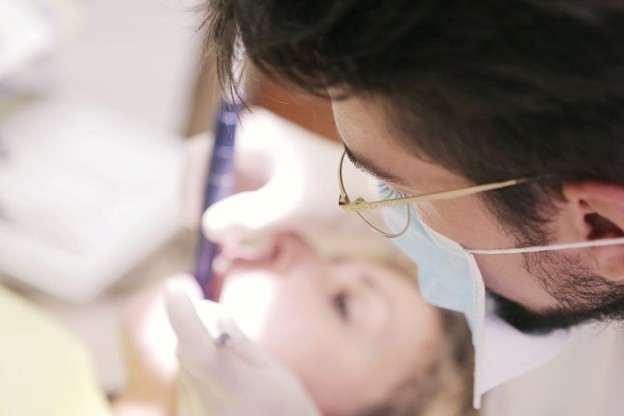
The American Dental Association’s 2023 clinical data reveals that nearly 76% of adults believe an unattractive smile can hurt career success — yet advances in cosmetic dental technology have made dramatic smile transformations more accessible and predictable than ever before. As digital imaging, laser precision, and minimally invasive techniques reshape what’s possible in cosmetic dentistry, patients are discovering options that deliver natural-looking results with significantly less discomfort and recovery time than previous generations experienced.
This shift comes at a crucial moment. Social media visibility and video conferencing have heightened awareness of smile aesthetics, while breakthrough materials and techniques have made treatments safer and more durable. For anyone considering improvements to their smile’s appearance, understanding how modern cosmetic dentistry works — and what it can realistically achieve — has become essential to making informed decisions about both immediate results and long-term oral health.
How Do Cosmetic Dental Treatments Improve Smile Aesthetics?
Modern cosmetic dental treatments target five fundamental aspects of smile aesthetics: color uniformity, tooth shape, alignment, proportional balance, and overall harmony with facial features. Unlike general dentistry, which primarily addresses function and health, cosmetic treatments focus specifically on visual improvements that enhance the smile’s appearance while maintaining or improving oral function.
Color correction represents the most requested improvement, addressing everything from surface stains to deep discoloration caused by medications, genetics, or aging. Professional whitening systems use controlled concentrations of hydrogen peroxide or carbamide peroxide to break down stain molecules within tooth enamel, achieving color changes that over-the-counter products simply cannot match. For more severe discoloration, veneers or bonding materials can completely mask underlying color issues.
Shape enhancement tackles problems like worn, chipped, or naturally misshapen teeth. Dental bonding uses composite resin to build up worn edges or reshape pointed canines, while porcelain veneers can completely transform tooth contours. Consider someone whose front teeth have become increasingly short due to grinding — cosmetic reshaping can restore their original proportions and create a more youthful smile line.
Alignment improvements don’t always require traditional orthodontics. Minor spacing issues, slight rotations, or small gaps can often be addressed through strategic bonding or veneers, providing immediate results where braces might take years. For more complex alignment issues, clear aligner systems now offer nearly invisible correction with greater comfort than metal brackets.
The key lies in comprehensive smile design — analyzing how individual improvements work together to create natural-looking results that complement each patient’s unique facial structure and personal preferences.
What Are the Common Types of Cosmetic Dental Treatments?
Understanding the landscape of cosmetic dental options helps patients match their specific concerns with the most appropriate solutions. The four primary categories encompass surface treatments, structural additions, replacements, and alignment corrections, each serving distinct aesthetic goals with different timelines and maintenance requirements.
Surface-level treatments like professional whitening and enamel microabrasion address color and minor texture issues without altering tooth structure. These reversible procedures offer the most conservative approach to smile enhancement, making them popular first steps for patients exploring cosmetic improvements.
Additive treatments build upon existing tooth structure using materials like composite resin or porcelain. These include bonding, veneers, and crowns, allowing practitioners to reshape, resize, and recolor teeth while preserving as much natural tooth structure as possible. The choice between materials depends on the extent of change needed and the patient’s lifestyle factors.
Replacement treatments like implants and bridges address missing teeth with solutions that restore both function and aesthetics. Modern implant technology has revolutionized this category, offering permanent solutions that look and feel remarkably similar to natural teeth.
How Do Teeth Whitening and Dental Bonding Work?
Professional teeth whitening uses controlled chemical processes to achieve color changes impossible with store-bought products. In-office treatments typically employ 15-35% hydrogen peroxide activated by specialized lights or heat, completing dramatic whitening in a single appointment. Take-home systems use lower concentrations (10-22% carbamide peroxide) in custom trays, allowing gradual whitening over several weeks with greater patient control.
Dental bonding applies tooth-colored composite resin directly to the tooth surface, where it’s shaped and polished to achieve desired improvements. This versatile technique can close small gaps, repair chips, reshape pointed or worn teeth, and even cover stains resistant to whitening. The process typically requires no anesthesia and can be completed in a single visit, making it an attractive option for minor cosmetic corrections.
Both treatments offer immediate visual improvements with minimal tooth alteration. Whitening results typically last 1-3 years depending on dietary habits and oral hygiene, while bonding can last 3-7 years before requiring touch-ups or replacement.
What Are the Differences Between Veneers and Implants?
Porcelain veneers represent the gold standard for comprehensive smile makeovers, using wafer-thin ceramic shells bonded to the front surfaces of teeth. Unlike bonding, veneers resist staining and wear, lasting 10-15 years with proper care. They require minimal tooth preparation — typically removing just 0.5mm of enamel — but provide dramatic improvements in color, shape, and alignment appearance.
Composite veneers offer a more affordable alternative using the same resin materials as bonding but applied in thin layers across the entire tooth front. While less durable than porcelain (lasting 5-8 years), they can be repaired easily and require no tooth reduction.
Dental implants serve an entirely different purpose, replacing missing teeth with titanium posts surgically placed in the jawbone. Once integrated with the bone (a process taking 3-6 months), custom crowns attach to these posts, creating replacements virtually indistinguishable from natural teeth. For patients looking to enhance their smile aesthetics while addressing comprehensive dental restoration needs, many find that consulting with specialists who offer cosmetic dental treatments provides the expertise needed to coordinate multiple procedures effectively.
The fundamental difference lies in application: veneers enhance existing teeth, while implants replace missing ones. Both contribute to overall smile aesthetics but address distinctly different clinical situations.
What Are the Risks, Common Misconceptions, and Psychological Effects?
The most significant risks in cosmetic dentistry stem from over-treatment rather than the procedures themselves. Aggressive tooth preparation for veneers can lead to sensitivity or nerve damage, while excessive whitening can cause temporary sensitivity and enamel weakening. However, when performed by experienced practitioners using appropriate techniques, serious complications remain rare.
Temperature sensitivity affects roughly 60-70% of patients following whitening treatments, typically resolving within 48-72 hours. Bonding and veneer procedures may cause minor sensitivity during the first week as teeth adjust to new contours. More concerning complications like infection or nerve damage occur in less than 2% of cases when proper protocols are followed.
Perhaps the biggest misconception involves permanence and maintenance expectations. Many patients assume cosmetic treatments last indefinitely without ongoing care. Reality differs significantly — whitening results fade over time, bonding materials can chip or stain, and even porcelain veneers eventually require replacement. Understanding maintenance requirements upfront prevents disappointment and helps patients budget for long-term care.
Another common myth suggests cosmetic treatments weaken teeth. When performed correctly, most procedures actually strengthen tooth structure. Veneers protect underlying enamel from wear and acid erosion, while bonding can reinforce chips and cracks. The key lies in conservative treatment planning that preserves natural tooth structure whenever possible.
The psychological impact often exceeds patients’ expectations. Research consistently shows that individuals who improve their smile aesthetics report increased confidence, greater willingness to smile in social situations, and enhanced self-perception during professional interactions. These effects typically appear within days of treatment completion and tend to strengthen over time as patients adapt to their new appearance.
What Are the Latest Advances and Future Trends in Cosmetic Dentistry?
Digital smile design technology has revolutionized treatment planning, allowing patients to preview their results before any procedure begins. High-resolution imaging combined with sophisticated software creates precise mock-ups of proposed changes, enabling collaborative decision-making between patient and practitioner. This technology reduces surprise outcomes and increases satisfaction rates significantly.
Laser dentistry applications continue expanding throughout cosmetic procedures. Laser gum contouring can reshape the gum line to expose more tooth structure, creating the appearance of longer teeth without any tooth alteration. Laser-assisted bonding improves material adhesion while reducing sensitivity, and some practitioners use laser technology to enhance whitening treatments.
CAD/CAM technology (Computer-Aided Design/Computer-Aided Manufacturing) now produces same-day veneers, crowns, and inlays with precision impossible through traditional methods. Patients can receive permanent restorations in a single appointment, eliminating temporary crowns and reducing overall treatment time dramatically.
Bioactive materials represent the cutting edge of cosmetic dentistry innovation. These materials actively interact with tooth structure to promote remineralization and strengthen enamel over time. Early applications in bonding agents and whitening treatments show promising results for combining aesthetic improvements with long-term oral health benefits.
Minimally invasive techniques continue advancing, with some veneers now requiring no tooth preparation at all. Ultra-thin porcelain materials and improved bonding agents make it possible to achieve dramatic smile transformations while preserving natural tooth structure completely. This trend toward conservation reflects growing understanding of the importance of maintaining natural oral anatomy whenever possible.
What Factors Should You Consider When Choosing Cosmetic Dental Treatments?
Realistic expectation setting forms the foundation of successful cosmetic treatment. Understanding what each procedure can and cannot achieve prevents disappointment and ensures informed decision-making. Someone with severely worn teeth may need multiple treatments to achieve their desired results, while minor spacing issues might resolve with simple bonding.
Long-term maintenance commitment varies significantly between treatment options. Professional whitening requires periodic touch-ups, bonding may need repairs or replacement every 3-7 years, and porcelain veneers typically last 10-15 years before replacement becomes necessary. Calculating total lifetime costs provides a more accurate financial picture than initial treatment fees alone.
Oral health status must be addressed before cosmetic improvements begin. Active decay, gum disease, or bite problems require treatment first, as cosmetic materials cannot resolve underlying health issues. Many patients discover that addressing foundational oral health problems improves their smile appearance significantly even before cosmetic treatments begin.
Lifestyle factors influence treatment selection and longevity. Someone who grinds their teeth at night may need protective devices to preserve cosmetic work, while patients with high-stain diets (coffee, red wine, tobacco) should understand how these habits affect different materials. Athletic activities may favor certain treatments over others based on impact risk.
The most successful cosmetic dental treatments emerge from careful collaboration between patient goals and clinical realities. Rather than rushing into dramatic changes, consider starting with conservative improvements that can be built upon over time — an approach that often delivers the most natural-looking and sustainable results while preserving options for future enhancements.