Why Is Regular Tree Maintenance Important?
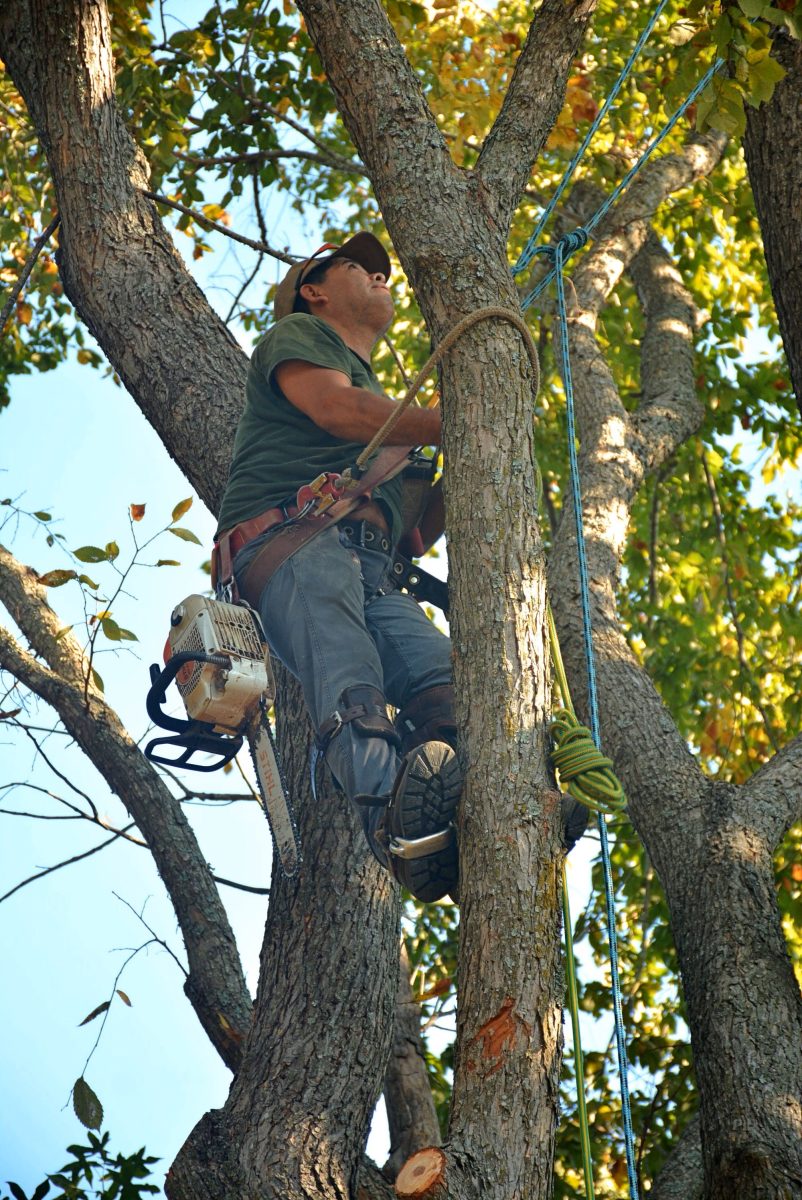
Trees rarely show obvious signs of trouble until it’s too late. A diseased branch may break down at any time, without warning. Roots put under stress by unhealthy soil silently cease to sustain healthy growth. When the leaves begin to turn yellow, or bare spots form, the real cause is often several months old.
This is the reason why it is hardly a correct course of action to wait until a tree is unhealthy. Periodic maintenance identifies problems in early stages, before they become safety risks or costly removals.
Regular maintenance also maintains trees in good structural health in changing seasons and changing weather patterns. It promotes consistent growth, decreases pest pressure, and facilitates faster recovery of trees from stress.
There are a number of real-world reasons why regular tree maintenance is important, and the following five reasons are a breakdown of why this is indeed the case.
1. Protects Your Trees from Pests and Disease
Diseases and insects are frequently spread before any leaves or bark show signs of the disease. Once an infestation has established itself, it becomes more difficult to treat, and recovery is prolonged. Problems can be identified at an early stage when they are easier to treat and more successfully.
This is more important in areas with changing temperatures, as unexpected changes between cold and warm seasons cause further strain that predisposes trees to pests. A climate like that of Michigan, in fact, introduces just such a seasonal variation, and hence the importance of timing is so important in prevention. Planning of tree services in Michigan during these seasonal changes aims to respond to pest and disease threats before they can extend further.
2. Strengthens Root and Structural Health
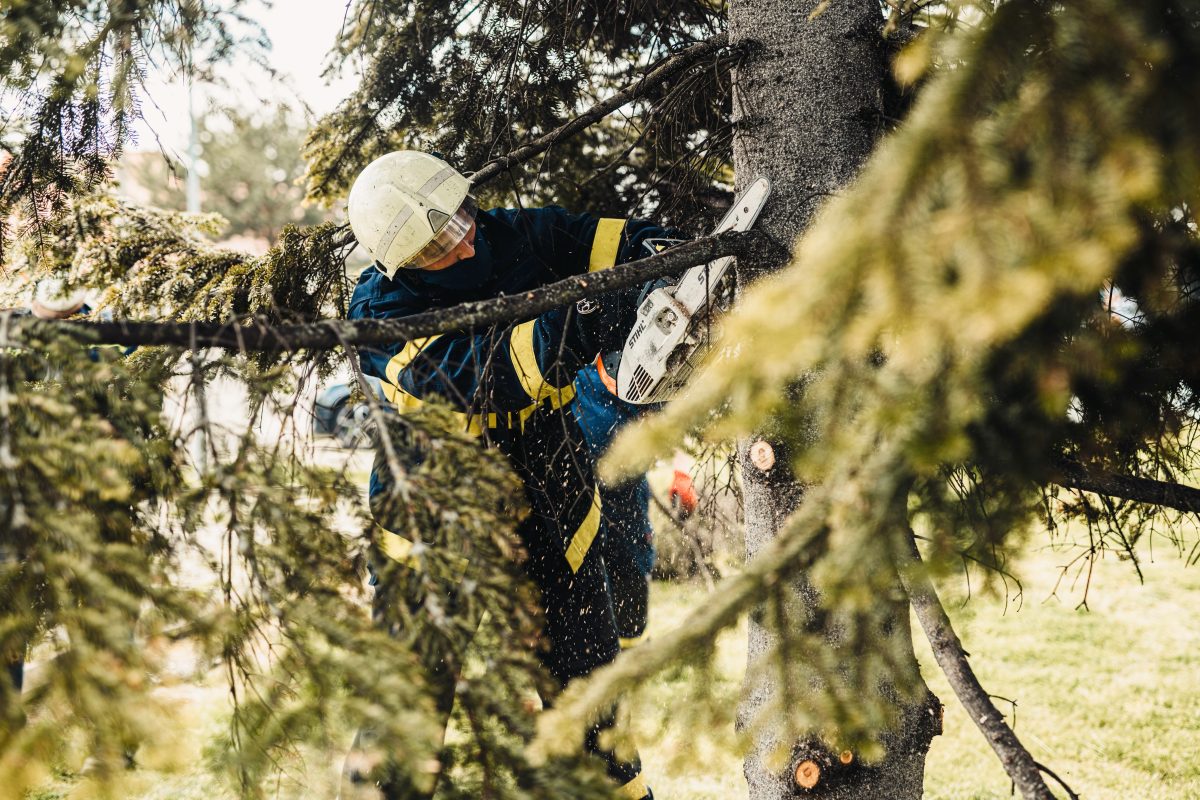
A tree’s stability starts below the ground. Roots keep the tree in place, absorb nutrients, and determine how well the tree can resist the wind, storms, or heavy snow. Compacted soil, construction disturbance, or loss of nutrients in the root system of a tree compromises the whole tree by making it less stable.
Root strength is directly assisted by fertilization and soil care. Deep root treatments especially apply nutrients in areas where they are most needed rather than placing them on the surface where they are not readily accessible.
Stronger roots translate to a stronger tree overall. Trunks are firmer, branches can resist pressure, and the danger of being damaged by storms is minimized. This base eventually dictates the overall performance of trees in all other areas, such as canopy development and ability to survive diseases.
3. Boosts Property Value and Curb Appeal
Healthy, well-maintained trees add visible value to any property. They frame a home, provide shade, and give the landscape a sense of maturity. New plantings simply can’t replicate that look. Buyers and appraisers notice this too. It often reflects in how a property is assessed.
Neglected trees send the opposite message. Dead branches, thinning canopies, or visible pest damage can make even a well-kept home look overlooked. First impressions matter, and trees play a big part in that.
Consistent maintenance keeps trees looking their best all year. Pruning shapes healthy growth.
Fertilization helps in supporting the lush, green canopies. Pest control also preserves foliage and does not show any damage. These little things can make a difference. They shield the look of the tree and carry the general look of the property. A yard that is kept up just feels more looked after.
4. Prevents Costly Damage and Removal Later
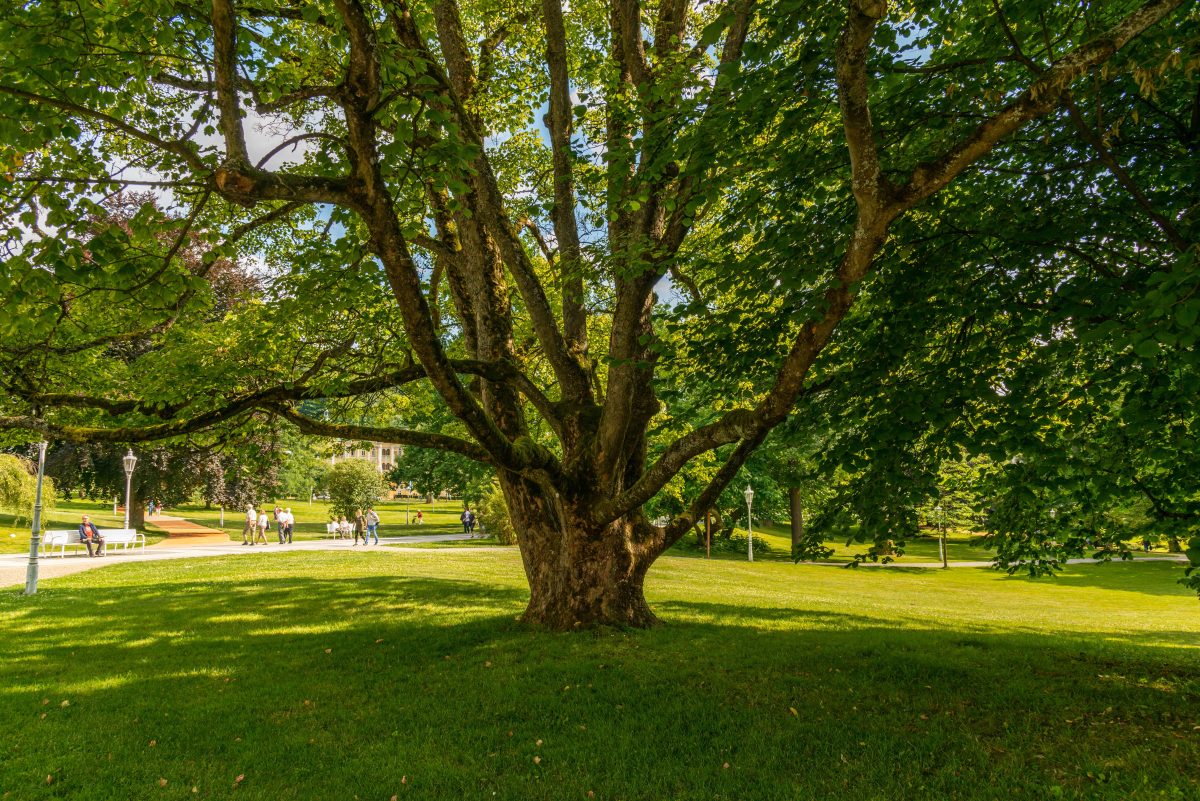
Minor tree problems are far less expensive to fix than major ones. A minor pest infestation that is dealt with promptly is far cheaper than getting rid of a tree that has succumbed to disease. This is also the case with structural weakness. Early detection can be used to avoid destruction of adjacent buildings, cars, or power lines.
Neglected trees also create safety risks. Weak limbs can fall without warning, especially during storms. This puts property owners at risk of accidents and liability issues.
Regular maintenance breaks this cycle before it starts. It helps identify weak branches, disease symptoms, or root stress early on. That means treatment can happen on time, instead of during an emergency. Over time, this approach saves money. It also lowers the chances of sudden, unplanned tree removal. Small, consistent steps end up preventing much bigger problems down the road.
5. Supports Long-Term Tree and Landscape Health
Trees don’t exist in isolation. Their health directly affects surrounding grass, shrubs, and soil quality. A struggling tree can drain nutrients unevenly. It can also create excessive shade or drop debris that harms nearby plants.
Ongoing maintenance keeps trees growing in balance with the rest of the landscape. Proper pruning allows sunlight to reach the ground below. This helps grass and smaller plants grow evenly. Fertilization plays a role too. It supports the tree and strengthens the soil ecosystem around it.
This kind of consistency also makes seasonal transitions smoother. Trees that receive regular care handle change better. They’re more prepared for spring growth, summer stress, and winter dormancy. Over time, this creates a more resilient landscape overall. Every part of the yard benefits, not just the tree itself. That balance is what long-term care is really about.
Conclusion
Tree health rarely stays the same without attention. Left unchecked, minor stress can turn into structural issues, pest problems, or costly removals. Regular maintenance changes that outcome by catching problems early and supporting steady, long-term growth.
From stronger roots to better pest resistance, consistent care affects nearly every aspect of a tree’s condition. It also protects the surrounding landscape and keeps a property looking well cared for.
Trees that receive ongoing attention tend to handle seasonal changes better and require fewer emergency interventions. Prioritizing regular maintenance is a practical way to protect both the tree and the investment it represents.