How to Spot Early Signs of Roof Damage
Spotting structural trouble early saves thousands of dollars in unexpected household repairs. Homeowners who perform routine checks protect their property before minor leaks turn into structural nightmares.
A simple visual inspection from the ground reveals clear indicators of wear. Catching these subtle red flags helps preserve internal walls, ceilings, and home insulation.
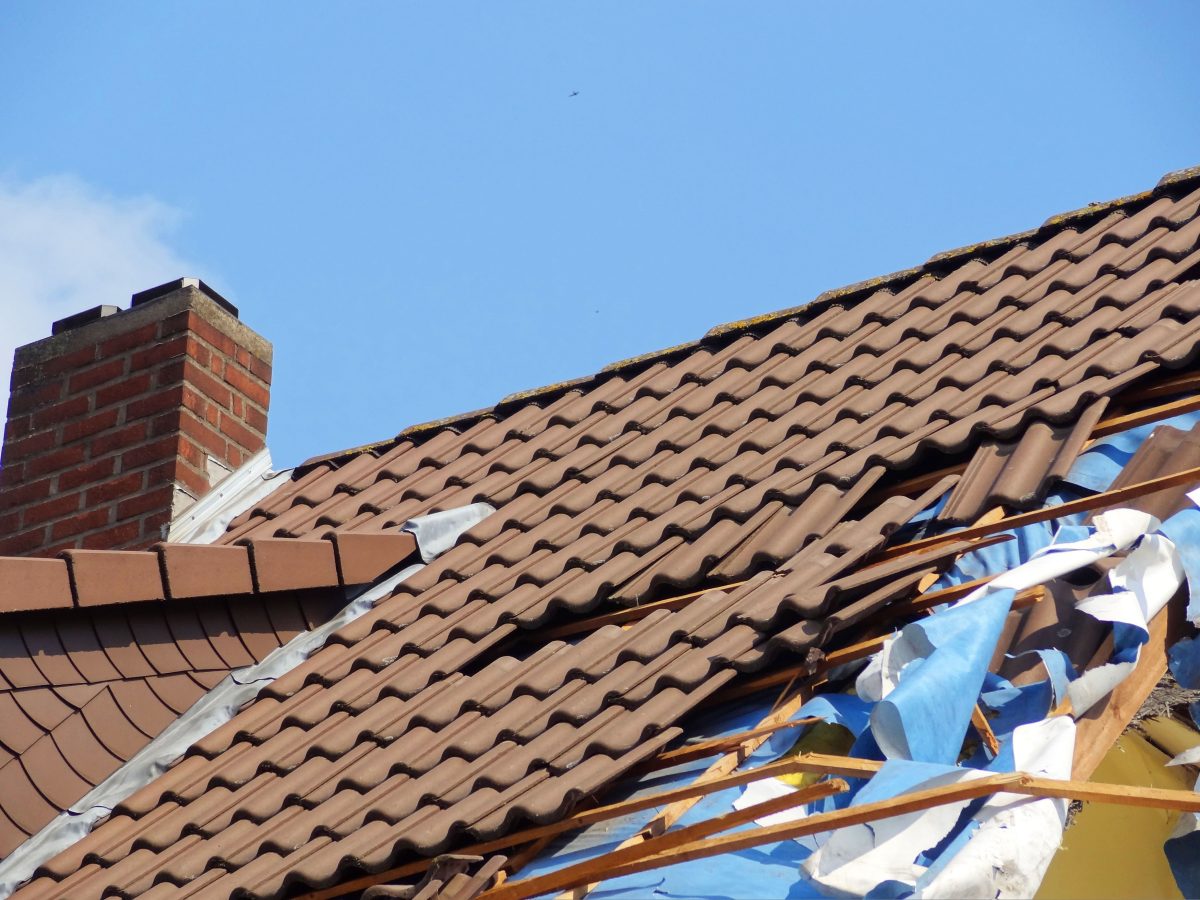
Image by Jan Mallander from Pixabay
Visual Red Flags on Your Shingles
Outer shingles take the brunt of severe weather throughout every single season. Homeowners seeking full upgrades often consult this roof replacement service or other reputable services when surface damage covers large sections. Missing shingles leave the vulnerable wood underlayment exposed to immediate moisture penetration.
Curling shingle edges indicate that materials are nearing the end of their functional lifespan. Direct heat and harsh sunlight dry out organic backing materials, causing corners to lift upward. Moisture quickly collects beneath these lifted edges during heavy downpours.
Missing shingles leave dark bare patches visible right from driveway level. Wind gusts peel back aged adhesives and tear individual pieces completely away. Replacing single shingles early stops leaks before water penetrates internal ceilings.
Sagging Drooping Lines Along the Roofline
A dipping or uneven roofline signals severe structural trouble deep within the framing. Beyond surface shingles, a sagging or dipping roofline ranks as one of the most serious structural warning signs. Trapped moisture weakens heavy wooden rafters and horizontal decking support beams.
Structural sagging requires immediate attention before the entire underlying frame collapses. Weight distributions shift when damp plywood rots and bends under normal loads. Professional structural contractors must evaluate these drooping areas to reinforce load-bearing supports.
Homeowners can check several structural points along the exterior building structure:
- Check ridge lines for horizontal dips or sagging contours.
- Look for visible buckling near heavy chimney supports or gables.
- Inspect eave soffits for sagging plywood sheets or rotting wood trim.
Mysterious Water Stains Inside the Attic
Water stains inside top-floor ceilings often indicate hidden leaks above insulation layers. Dark circular rings grow larger following heavy rainstorms or rapid winter snowmelts. Tracking the exact entry point requires inspecting internal rafters inside the attic space.
Damp insulation loses its heat-retaining properties and promotes rapid mold growth. Water travels along roof boards before dripping down onto drywall ceilings below. Pinpointing damp spots during daylight hours highlights tiny holes in the upper decking.
Musty odors inside upper rooms point directly to trapped moisture behind drywall boundaries. Attic spaces require strong ventilation to dry out lingering humidity from indoor living areas. Persistent damp smells demand immediate investigation to protect internal structural framing.
Excessive Granules Accumulating in Gutters
Asphalt shingles rely on surface granules to block harsh UV rays daily. Aging shingles shed these coarse particles faster as protective oils evaporate. Finding thick deposits inside rain gutters indicates accelerating material breakdown across the surface.
Bare patches on individual shingles look like dark, smooth asphalt spots from below. Loss of granule coverage allows sunlight to crack underlying fiberglass layers rapidly. Replacing aging sections stops UV degradation before complete shingle failure occurs.
Monitoring gutter debris during routine cleaning reveals shingle condition:
- Heavy accumulations of dark coarse sand in downspout splash blocks.
- Bald patches visible on shingles exposed to full afternoon sunlight.
- Clogged gutter channels holding standing water mixed with shingle grit.
Cracked or Damaged Flashing Around Chimneys
Metal flashing seals vulnerable seams around chimneys, vent pipes, and roof valleys. Thermal expansion causes thin metal strips to bend, pull away, or crack. Broken seals allow rain to flow directly inside wall cavities without hindrance.
Dried caulk around pipe boots creates small gaps for wind-driven rain penetration. Regular inspections around vertical penetrations stop hidden leaks before wood rot spreads. Re-sealing compromised joints with fresh sealant maintains watertight interior protection.
Rust spots along metal flashing strips signal compromised protective coatings. Water seeps behind rusted panels, quietly rotting wooden roof sheathing unseen from outside. Replacing corroded flashing restores integrity around high-risk structural intersections.
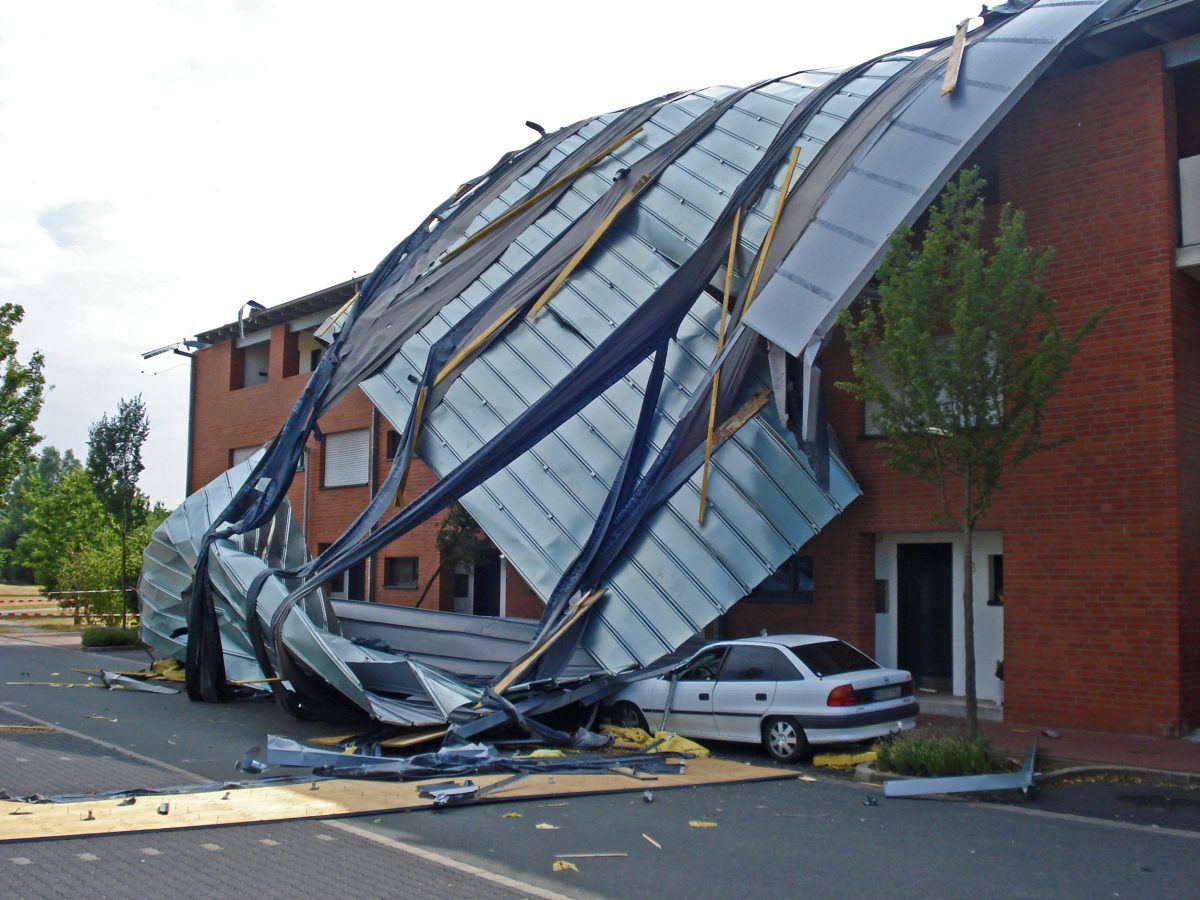
Image by Jan Mallander from Pixabay
Rising Energy Bills and Poor Attic Ventilation
Unexplained spikes in cooling costs often stem from poor roof ventilation. Trapped heat in attic spaces bakes upper shingles, accelerating material degradation dramatically. Balanced intake and exhaust vents lower attic temperatures and protect structural decking.
Excess heat destabilizes shingle adhesives and warps plywood sub-sheathing in summer months. Airflow beneath roof decks prevents moisture buildup that causes winter ice dams. Adequate airflow extends overall shingle lifespan while lowering monthly utility bills.
Inspecting soffit vents for dust blockages maintains consistent air movement throughout seasons. Blocked ridge vents keep warm, damp air trapped near sensitive roof frames. Cleaning ventilation channels maintains balanced airflow across upper structural spaces.
Peeling Paint and Interior Wall Damage
Blistering interior paint along top edges signals hidden moisture traveling down studs. Water trickling behind drywall causes paint to bubble, peel, and discolor near ceilings. Addressing root causes on the exterior protects internal living areas from widespread rot.
Damp drywall invites structural rot and unsightly surface discoloration across interior rooms. Wall studs absorb moisture from slow roof leaks before visible stains appear inside. Early detection prevents costly sheetrock replacement and wall framework repairs.
Exterior fascia board paint peels when overflow water drips behind gutter assemblies. Damp wood fascia rots quickly, loosening gutter hangers along the entire roofline. Replacing damaged trim stops water from seeping into rafter tails.
Regular visual checks keep minor roof issues from turning into major structural repairs. Spotting subtle warning signs early protects home values and keeps indoor spaces safe.
Timely maintenance preserves building materials and prevents costly water damage throughout the seasons. Routine exterior inspections provide long-lasting structural protection for every home.