The Changing Landscape of Outdoor Recreation Costs
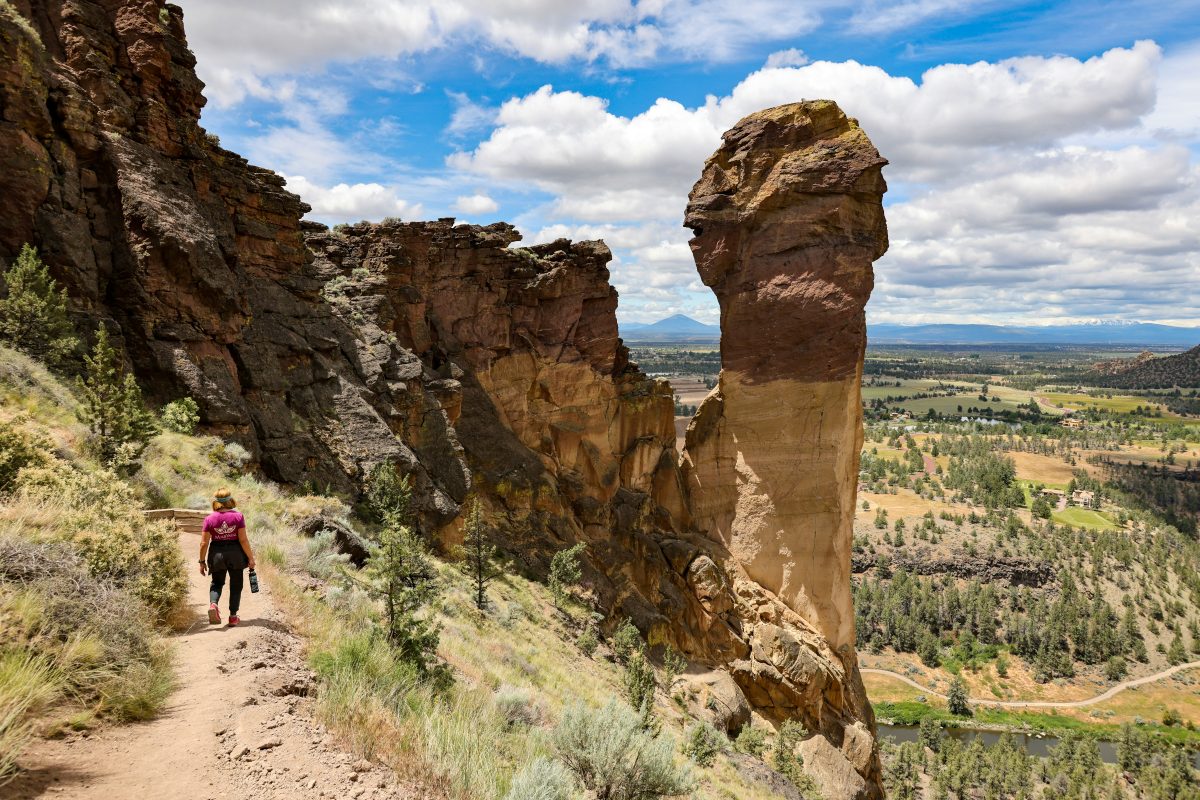
Photo by Mick Haupt on Unsplash
Getting outside is one of life’s simple pleasures, but the cost of enjoying those outdoor hobbies can feel anything but simple. From fancy gear to park fees and travel, the price tag for connecting with nature can really jump around. As more and more folks want to get out into the great outdoors, questions about how affordable it all is and what it costs long-term are more important than ever. Looking at how these expenses have changed over time can help you plan your own adventures without emptying your wallet.
Popular Outdoor Activities
The outdoors has become super popular, turning into a huge part of American fun and a massive economic powerhouse. In fact, the outdoor recreation economy adds over a trillion dollars to the U.S. economy every year. This boom is thanks to all sorts of activities, and each one has its own price structure.
On the super-easy-to-access end, you’ve got things like hiking and trail running. Often, all you really need is a good pair of shoes and a local park or trail. Camping is another classic that you can do on a shoestring budget with basic stuff, though it can also turn into “glamping” with luxury gear and pricey campground spots. Water sports like kayaking, canoeing, and paddleboarding have also really taken off. While buying the boat initially can be a big chunk of change, they offer years of fun on local lakes and rivers.
Fishing is still a beloved pastime that spans generations. A simple rod and reel for a local pond can be pretty cheap, but deep-sea fishing charters are a much bigger investment. The robust growth in outdoor recreation shows that people are really getting into these activities, but they’re also becoming more aware of what it all costs. The main thing to remember is that for every expensive way to enjoy something, there’s usually a more affordable option out there.
Equipment Investment Over Time
One of the biggest things that affects the cost of outdoor fun is gear. Over the decades, equipment has totally changed. Modern materials have made tents lighter, jackets more waterproof, and boots comfy right out of the box. But all this innovation often comes with a higher price tag. A high-tech, super-light backpacking tent today can easily cost hundreds of dollars, which is a huge difference from the heavy canvas tents of yesteryear.
However, equipment costs aren’t just about inflation. It’s also about how specialized and high-tech things have become. The market for outdoor products is huge and growing, with specific gear for almost every niche. Looking at price trends for certain categories can tell us a lot about economic shifts and what consumers want. For instance, detailed analyses of gun and ammo prices over decades show how material costs, manufacturing changes, and consumer demand impact long-term prices for specialized hobby gear. You can apply this kind of analysis to understand the costs of everything from climbing ropes to fishing lures.
While the latest and greatest gear gets a lot of buzz, many classic, durable items offer better long-term value. A well-made cast iron skillet or a simple wool blanket can last a lifetime, often outperforming trendy gadgets. The overall recreational and outdoor products market keeps getting bigger, giving shoppers more choices than ever. This means you can pick between investing in cutting-edge tech or sticking with time-tested, budget-friendly basics.
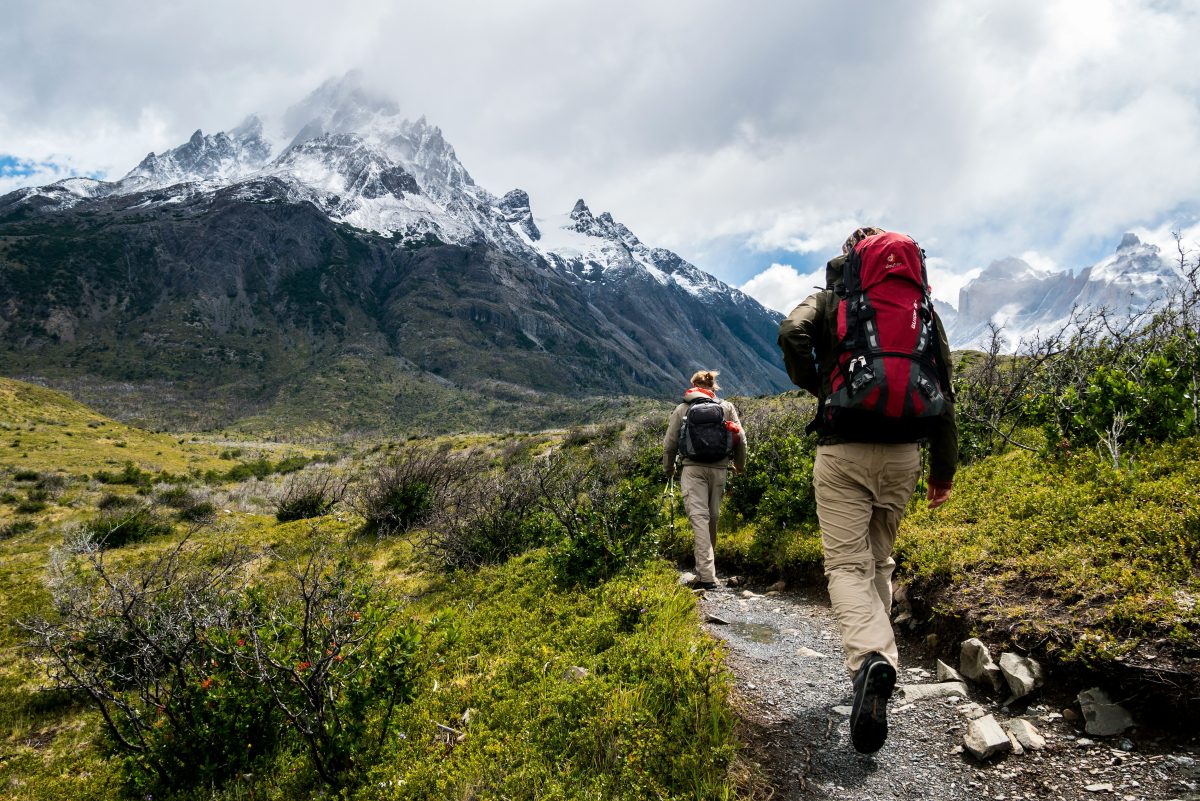
Photo by Toomas Tartes on Unsplash
Budget-Friendly Adventures
The idea that outdoor hobbies are expensive can stop a lot of people, but it really doesn’t have to. There are tons of ways to enjoy nature without spending a fortune. The secret is to think local and focus on experiences rather than pricey gear.
Here are a few ideas for planning outdoor adventures that won’t break the bank:
- Check out Local and State Parks: National parks are amazing, but they often come with higher entrance fees and crowds. Your local and state parks offer beautiful scenery and well-kept trails for way less money, or even for free.
- Buy Used or Rent Gear: Not sure if you’ll love kayaking? Rent one for a day instead of buying. Lots of outdoor shops and local outfitters offer rentals for everything from tents to skis. You can also find great quality used gear online or at local gear swaps for a big discount.
- Stick to Easy-Access Activities: You don’t need expensive equipment to have a meaningful outdoor experience. Birdwatching just needs a sharp eye and maybe an affordable pair of binoculars. Foraging for edible plants (with a trusted guide and the right knowledge) can turn a simple walk into a treasure hunt. Geocaching is another fun, cheap activity that uses your smartphone to find hidden containers all over the world.
- DIY and Learn New Skills: Instead of buying expensive pre-packaged camping meals, learn to cook simple, tasty food over a campfire. Learning basic skills like navigating with a map and compass not only saves you from buying a costly GPS device but also builds confidence and self-reliance.
Community Access to Nature
Making sure everyone gets a chance to enjoy the outdoors isn’t just about individual budgets; it’s about access for the whole community. Public lands are America’s best resource for affordable recreation. National forests, state parks, and city greenways provide millions of acres for hiking, camping, fishing, and just relaxing in nature. Supporting the funding and upkeep of these public spaces is super important for keeping the outdoors open to future generations.
These spaces have a big economic impact, with the outdoor recreation economy by state showing how investing in trails and parks really pays off for local communities. Beyond government-managed lands, many non-profits and community groups are working to remove barriers to outdoor access. Organizations like Outdoor Afro, Latino Outdoors, and Women Who Hike create welcoming communities for people who haven’t always been well-represented in outdoor spaces. They organize group outings, offer skills training, and provide a supportive network that makes getting started feel less scary. Many cities also have outdoor clubs or recreation centers that offer low-cost classes and guided trips, providing both equipment and expertise to beginners.
Ultimately, the cost of outdoor recreation is pretty flexible. While it’s easy to spend a fortune on gear and travel, it’s just as easy to find fulfilling adventures close to home for little to no money. The most valuable part of the experience—the fresh air, the beautiful views, and the time spent connecting with nature—will always be free.