Why Texture and Contrast Matter More Than Size in Small Space Design
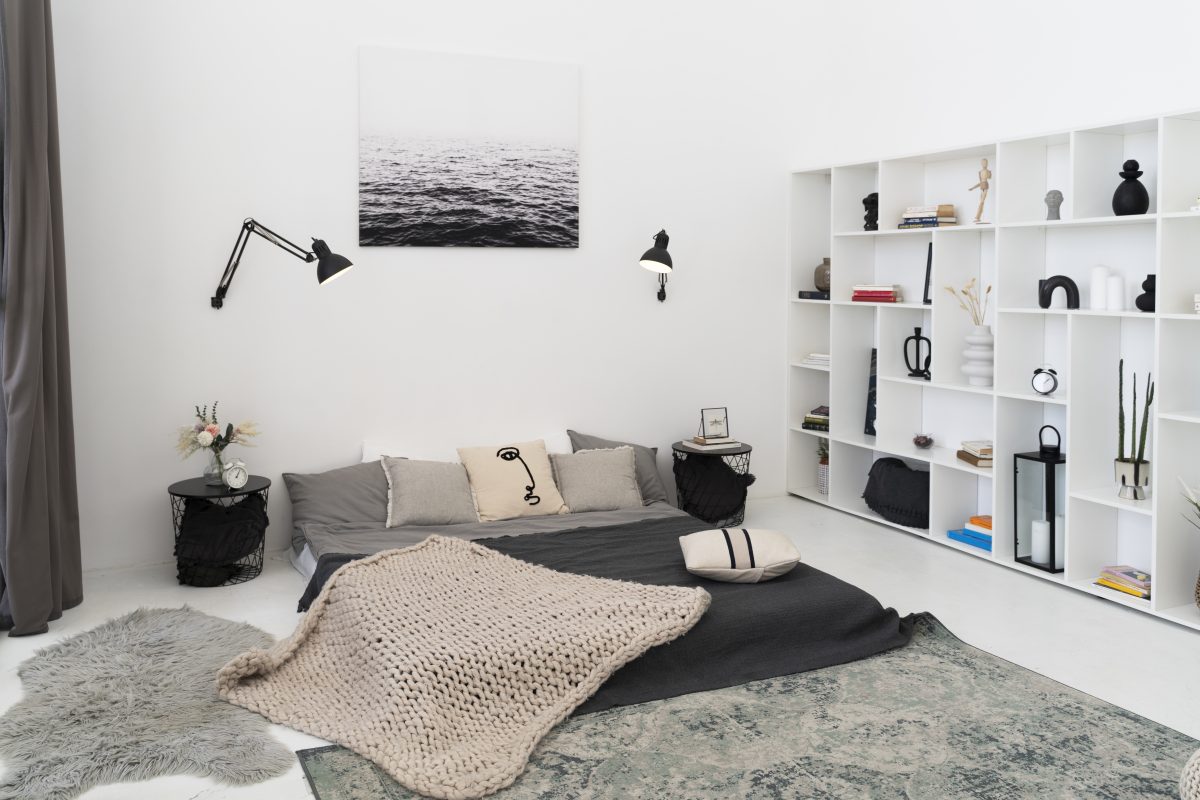
When moving into a more compact floor plan, it is incredibly easy to obsess over square footage and stress about exactly where every single piece of furniture is going to fit. However, seasoned interior designers know that the real secret to making a limited area feel expansive is rarely found in raw dimensions. Instead, it lies in the strategic interplay of decorative elements. If you are currently exploring various charming apartments in Covington, focusing your creative energy on the physical feel and visual balance of your belongings will dramatically transform the environment. By shifting your attention away from the tape measure and toward sensory details, you can craft a home that feels incredibly rich, inviting, and surprisingly spacious without needing a massive footprint.
The Tactile Magic of Layered Textures
Texture brings a flat, one-dimensional room to life by adding a crucial layer of physical and visual warmth that mere floor space simply cannot provide. Imagine the vast difference between a shiny, sterile leather sofa on a hardwood floor and that same sofa warmed up with a chunky knit throw blanket, linen pillows, and a plush Moroccan rug.
When you are working with restricted square footage, incorporating tactile elements prevents the environment from feeling like a sterile, uninviting box and instead creates a sense of cozy, curated intentionality. Woven seagrass baskets, soft velvet upholstery, and rough-hewn wood floating shelves catch the ambient light differently throughout the day. This constant interplay of light and shadow draws the human eye directly to the richness of the physical materials rather than the uncomfortable proximity of the surrounding walls.
Creating Depth Through Visual Contrast
Just as a great novel relies on emotional highs and lows to hold your undivided attention, a well-designed room requires distinct visual friction to keep the space dynamic and engaging. Contrast is not just about pairing stark black paint against bright white trim; it is really about mixing smooth glass tabletops with matte ceramic vases, or placing a highly structured, modern floor lamp next to an organically shaped, distressed vintage mirror.
For those settling into their new Covington apartments, leveraging this specific kind of juxtaposition is a brilliant, budget-friendly way to trick the brain into perceiving more depth than actually exists. When dark colors are pushed back into the background, and lighter colors are brought to the front, the hard lines of the room seem to blur together a little bit. This creates a great optical illusion that makes the whole space feel wonderfully complex and much less closed in.
Why the Eyes Need Room to Roam
Combining tactile richness with sharp visual juxtaposition fundamentally alters how we experience an interior by giving our eyes a highly specific, engaging journey to follow. In a small room, if all is in perfect harmony and has the same smooth, glossy finish, the brain immediately recognizes the strict boundaries of the four walls and just stops exploring. But if you consciously use the basic principles of spatial perception, you can deliberately create micro-zones of interest that draw the eye and slow down the visual consumption of the room.
A dramatic dark-painted accent wall directly behind a soft cream-colored boucle reading chair is a beautiful anchor point, and it feels intentional and grounding. This thoughtful layered design approach means your guests are busy admiring your carefully curated aesthetic, rather than noticing exactly how close the sofa sits to the kitchen island.
Conclusion: Making Every Square Foot Count
Creating a beautiful home has very little to do with square footage. Instead, it comes down to how you play with materials and contrast. Mixing up your finishes is a simple way to turn a basic room into a stylish, layered space. Whether you are moving cross-country to start fresh or just looking to thoughtfully refresh one of the charming apartments in Covington, remembering these foundational design rules will completely shift your everyday perspective. You will very quickly discover that a carefully layered, visually dynamic room always feels vastly superior and much more welcoming than a massive, empty one.