City responds to MDEQ sewer overflow concerns
By Randy Bell
 Mayor Will Purdie expects the Mississippi Department of Environmental Quality (MDEQ) to endorse the measures Clinton is taking to address what Purdie calls “a long-standing issue” with its sewer system.
In a letter dated September 10, an MDEQ case manager gave the City thirty days to provide a written response spelling out permanent corrective actions to be taken to prevent sewer overflows into Lindsey Creek near Maudedith Lane, which, the agency said, date back to at least 1996.
Purdie says a response was filed, advising MDEQ that some sewer flow has been redirected to help ease the strain on that portion of the system, and he says the City is beginning some flow and level monitoring, “which should give us a really good idea of what exactly is going on and some ways to address it.”
In the letter, MDEQ noted some of the actions the City had previously taken, including bolting shut a pressure-release or “pop-off” valve on the sewer line crossing the creek and sealing a nearby manhole that was subject to overflows after the valve was closed. The agency said the City’s response should include how its proposed actions “will prevent sanitary sewer overflows, wastewater backups or the displacement of the problem to other locations.”
During rainy weather, water infiltration can overload the sewer system. The mayor says the City has already repaired some lines after smoke testing identified locations where rainwater was seeping into the sewer system.
“We’re doing another round of it now, in that [Maudedith/Lindsey Creek] area specifically. The more you can fix those infiltration issues, certainly the better it’ll be.”
“A lot of our issues are on private property,” says Public Works Director Phillip Lilley, noting that problems include cracked service lines and clean-out access pipes which are open or broken. And while those may not individually result in a huge amount of water infiltration, Lilley says it’s a case of “death by a thousand cuts,” with each break part of a big problem.
“There could be hundreds of them throughout town.”
But not all of Clinton’s sewer overflows happen when it’s raining.
During dry weather, Lilley says the main culprit can be “FOG,” which stands for fats, oil and grease, which are often washed down drains after cooking. Hardened grease narrows sewer pipes, eventually blocking them.
“We’re plagued with it, like any other city,” Lilley says. “People still think that if you run hot water behind the grease you pour down the drain, that it’s going to help it flush on down the system. But it cools off very fast.”
And while FOG is a big part of the clogged sewer line problem, the Public Works Director’s pet peeve is flushable wipes. He says those are the worst.
“Yes, they will flush down the drain, but they don’t degrade like tissue paper.”
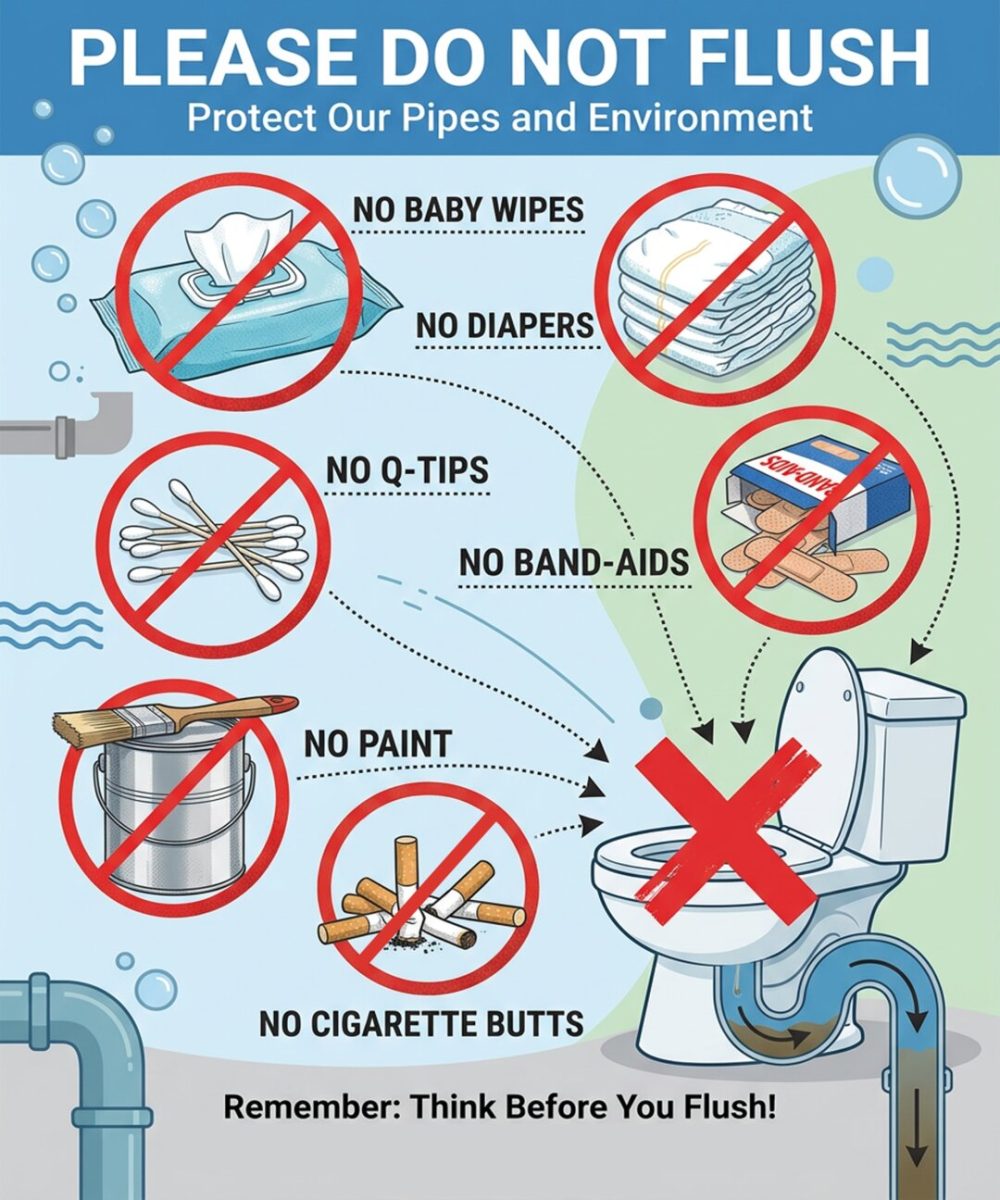
Even some items labeled “FLUSHABLE” do not degrade quickly enough to prevent sewage infrastructure damage. Some things to keep out of your toilet to help preserve the City’s sewage infrastructure and prevent damage to your home sewer include:
- Cleaning wipes of any kind, including baby wipes, “flushable” wipes and adult wipes
- Facial tissue (Kleenex)
- Tampons and tampon applicators
- Sanitary napkins
- Cotton balls and swabs
- Disposable diapers
- Condoms
- Bandages and bandage wrappings
- Automotive fluids
- Paint, solvents, sealants and thinners
- Poisons and hazardous waste