Brake Failure on Mountain Descents Is a Known Truck Risk, and Companies Are Expected to Plan for It
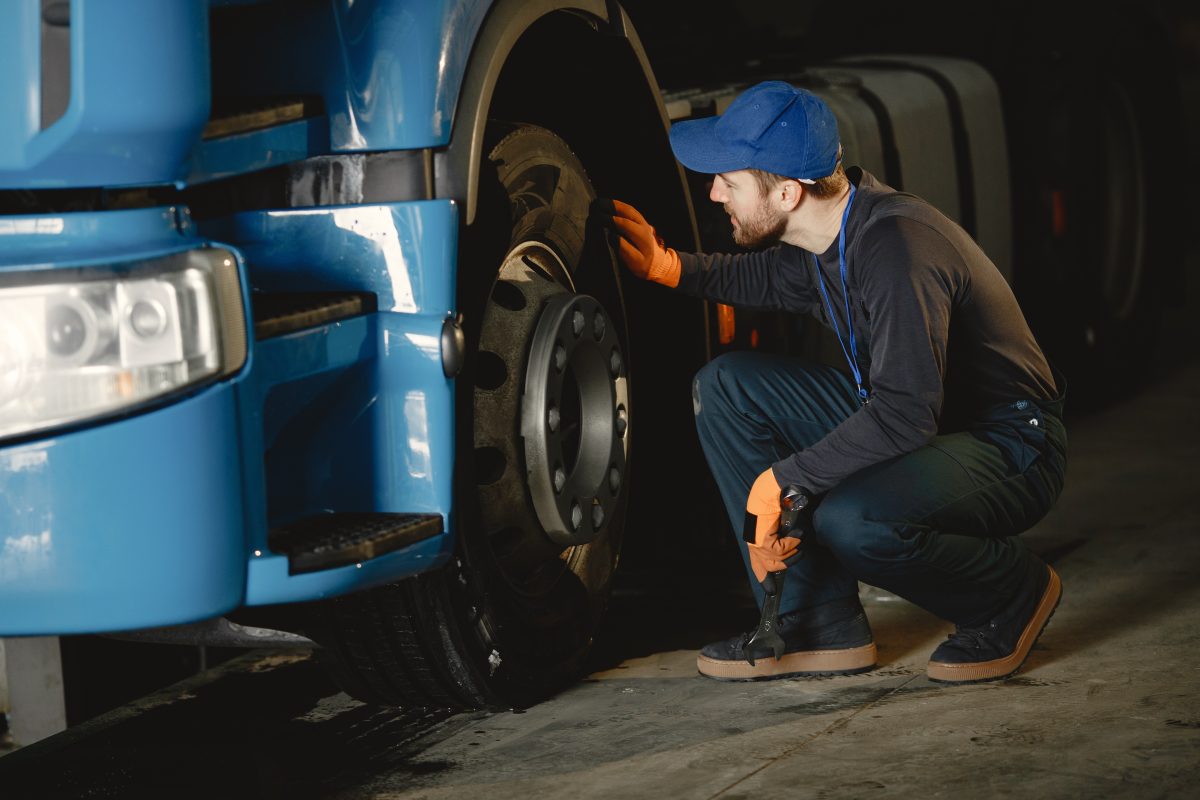
Driving a heavy truck down a steep mountain road requires careful preparation. When the brakes fail, the driver may have little time to prevent a serious collision. A trucking injury lawyer can help injured motorists investigate whether poor maintenance or unsafe company practices contributed to the accident.
Why Mountain Roads Put Truck Brakes Under Pressure
A fully loaded commercial truck is much heavier than the cars and SUVs sharing the road. Once that truck starts heading down a steep mountain, its weight makes it harder to control its speed. Drivers have to be especially careful on long downhill stretches because the truck can pick up speed quickly.
Keeping a foot on the brakes for too long can cause them to overheat. When that happens, the brakes may lose some stopping power, a condition known as brake fade. If the truck is already moving too fast, the driver may struggle to slow down before reaching a curve or another vehicle.
Truck drivers are generally familiar with the dangers of taking heavy vehicles down steep mountain roads. That is why many mountain highways have signs telling drivers to check their brakes and shift into a lower gear before starting downhill. Those warnings exist for a reason: losing braking power on a steep road can lead to a terrible accident.
Proper Brake Maintenance Is Essential
Trucking companies must keep their commercial vehicles in safe operating condition. Brakes need regular inspections because worn components, damaged parts, and improper adjustments can affect stopping performance. Ignoring these problems can put everyone sharing the highway at risk.
A truck might appear to operate normally on flat roads even as it develops brake problems. However, those weaknesses can become much more dangerous during a long mountain descent. Heavy loads and repeated braking place additional demands on the system.
Maintenance records can help investigators determine whether a company took reasonable precautions. These documents may reveal prior brake complaints, missed inspections, or repairs repeatedly postponed. Such findings can become important when determining whether negligence contributed to a crash.
Drivers Need Training for Steep Descents
Driving through mountainous terrain requires skills that go beyond ordinary highway driving. Truck drivers must know how to select the right gears and control their speed before descending. Waiting until the truck accelerates downhill can make it hard to slow down.
Many commercial trucks have engine braking systems that help control speed without relying entirely on service brakes. Drivers need to understand how these systems work and when to use them. Proper training can reduce the risk of brake overheating.
Companies should also make sure drivers understand the challenges of their assigned routes. Sending an inexperienced driver through steep mountain passes without adequate preparation can create unnecessary danger. Training records may help establish whether the driver received appropriate instruction.
Heavy Loads Can Make Braking More Difficult
The more cargo a truck carries, the harder it becomes to slow down, especially on a steep downhill road. A trailer packed with heavy goods can build up speed quickly as it moves down a mountain. That is why drivers need to know how much weight they are carrying and adjust their speed before starting the descent.
Federal and state rules limit how much weight commercial trucks can legally carry. Loading a truck beyond those limits puts extra pressure on the brakes and other parts of the vehicle, making it harder to stop safely. Even when a truck is within the legal weight limit, the driver still needs to use the right gear and control their speed carefully on mountain roads.
When a truck crashes on a mountain road, investigators may want to know exactly how much cargo it was carrying. They can check shipping paperwork, weight tickets, and other records to see whether the truck was overloaded. Those documents may also help explain whether the cargo’s weight or placement contributed to the accident.
Investigating Responsibility After a Brake Failure Crash
Just because a truck’s brakes failed does not necessarily mean the trucking company did something wrong. Investigators need to determine what caused the problem and whether proper inspections, repairs, or safer driving could have prevented it. In some accidents, more than one person or company may have contributed.
The trucking company, the business responsible for maintaining the truck, or even the manufacturer of a faulty part could be involved. For example, brakes that fail because of a manufacturing defect are different from brakes that were worn out and never repaired. Determining what went wrong means closely examining the truck, its maintenance history, and the driver’s actions before the crash.
Gather and protect evidence as soon as possible after a truck accident. Damaged brake parts, inspection records, information stored in the truck’s electronic systems, and witness statements may help explain why the brakes failed. Waiting too long can make these details harder to find, especially if records are lost or the truck is repaired before anyone examines it.
Final Thoughts
Brake failure on a mountain descent is a recognized danger that trucking companies should take seriously. A trucking injury lawyer can examine maintenance practices, driver training, and other evidence to determine whether negligence played a role. Understanding what went wrong can help injured motorists pursue accountability and compensation for their losses.
Read more: How a Truck Accident Lawyer Proves Carrier Liability Step by Step
Read more: Why Truck Accidents Often Cause More Severe Injuries Than Standard Vehicle Crashes
Read more: Truck Accident Attorney: Legal Help After Serious Commercial Vehicle Crashes