How Can a Truck Be Too Heavy for a Road That Looks Perfectly Strong?
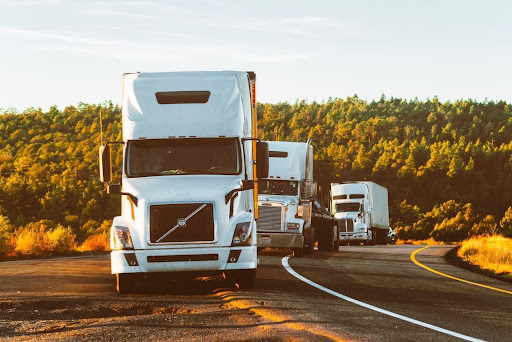
A highway looks like the toughest thing around. Thick, heavy layers of asphalt or concrete, solid shoulders, and bridges built from steel and reinforced concrete. It’s hard to imagine a single truck doing anything to it. And on any given day, it probably doesn’t look like anything happened.
But roads are a lot like human joints. They can handle enormous forces, as long as those forces stay within what they were designed for. Push beyond that, again and again, and damage starts building quietly beneath the surface.
That’s the hidden problem with trucks hauling more than they should. The road may look perfectly fine the day an overloaded rig rolls across it. The trouble shows up later, as cracks, potholes, and worn bridges that seem to appear out of nowhere.
Why Weight Matters More Than Appearance
Pavement and bridges are engineered around expected loads. Engineers estimate how heavy vehicles will be, how often they’ll pass, and how weight will be spread across their axles. Those assumptions shape everything from pavement thickness to bridge design. Engineers plan for limits.
Overweight trucks break those assumptions. Extra weight pushes harder on pavement layers and the soil underneath, and it can place added stress on bridge components. The damage is often invisible at first, but it can add up surprisingly fast over time.
Poorly distributed cargo makes things worse. A load piled toward one end of a trailer can overload individual axles even when the total weight looks acceptable on paper. Federal rules generally cap gross vehicle weight on the Interstate system at 80,000 pounds, with separate limits for axles.
The Strange Science of Axle Loads
Here’s where the math gets wild. Pavement damage doesn’t rise in a straight line as axle weight increases. Engineering research dating back to large road tests in the 1950s suggests damage climbs roughly with the fourth power of axle load. That’s not a typo.
That means doubling the weight on a single axle doesn’t double the damage. It can multiply it by something closer to sixteen. A modest-sounding overload on one axle can therefore cause far more wear than its extra pounds would seem to justify.
That’s why federal limits address individual axles, not just total weight. Single axles are generally capped at 20,000 pounds and tandem axles at 34,000 pounds on Interstate highways. Spreading weight across more axles reduces the punishment any single point of pavement has to absorb.
Why Heavy Vehicles Can Damage Roads Without Leaving Immediate Evidence
Roads rarely fail in one dramatic moment. Instead, they suffer from fatigue, much like a paperclip bent back and forth. Each heavy pass flexes the pavement slightly, and over thousands of cycles, tiny cracks begin forming deep within the layers.
Those cracks often start at the bottom of the pavement, where bending stress is greatest, and slowly work their way upward. By the time they’re visible on the surface, the damage below may already be extensive. Water then seeps in and accelerates everything.
Bridges face a similar story. Repeated heavy loads can stress joints, bearings, and structural members over time. Inspections help catch problems, but accumulated wear from excess weight can shorten a structure’s lifespan and drive up repair costs that taxpayers ultimately cover. The bill arrives slowly but surely.
How Excess Weight Changes a Truck’s Behavior
Mass changes the physics. A heavier truck carries more momentum, which means it needs more distance and more braking force to stop. Brakes designed for a certain load may overheat or fade sooner when asked to handle significantly more weight.
Tires feel the strain too. Each tire is rated for a maximum load, and exceeding it can cause excessive heat buildup, faster wear, and a higher risk of blowouts. A sudden tire failure on a heavy truck can quickly become a dangerous loss of control.
Stability suffers as well. Extra weight, especially when stacked high or placed unevenly, can raise the center of gravity and make a truck more prone to rolling over in curves or sudden maneuvers. Steering and handling may feel sluggish, giving drivers less margin for error.
Conclusion
A road can look indestructible while quietly absorbing damage it was never designed to handle. Excess weight, especially concentrated on individual axles, can multiply wear dramatically and shorten the life of pavement and bridges in ways that aren’t visible right away. The damage hides until it doesn’t.
The risks don’t stop at the pavement. Heavier trucks need longer stopping distances, put more strain on brakes and tires, and can become less stable in turns. Those changes affect everyone sharing the highway, not just the driver or the trucking company.
Commercial vehicle weight limits exist for good reason. They protect expensive public infrastructure, and they help keep heavy trucks within the range their brakes, tires, and suspensions were built to manage safely. Respecting those limits keeps roads stronger and travelers safer.
Read more: Brake Failure on Mountain Descents Is a Known Truck Risk, and Companies Are Expected to Plan for It
Read more: Why Murrieta Truck Crash Claims May Involve Multiple Insurers
Read more: How a Truck Accident Lawyer Proves Carrier Liability Step by Step