Guest Coffee Programs: Why Cafes Now Pour Other Roasters’ Beans
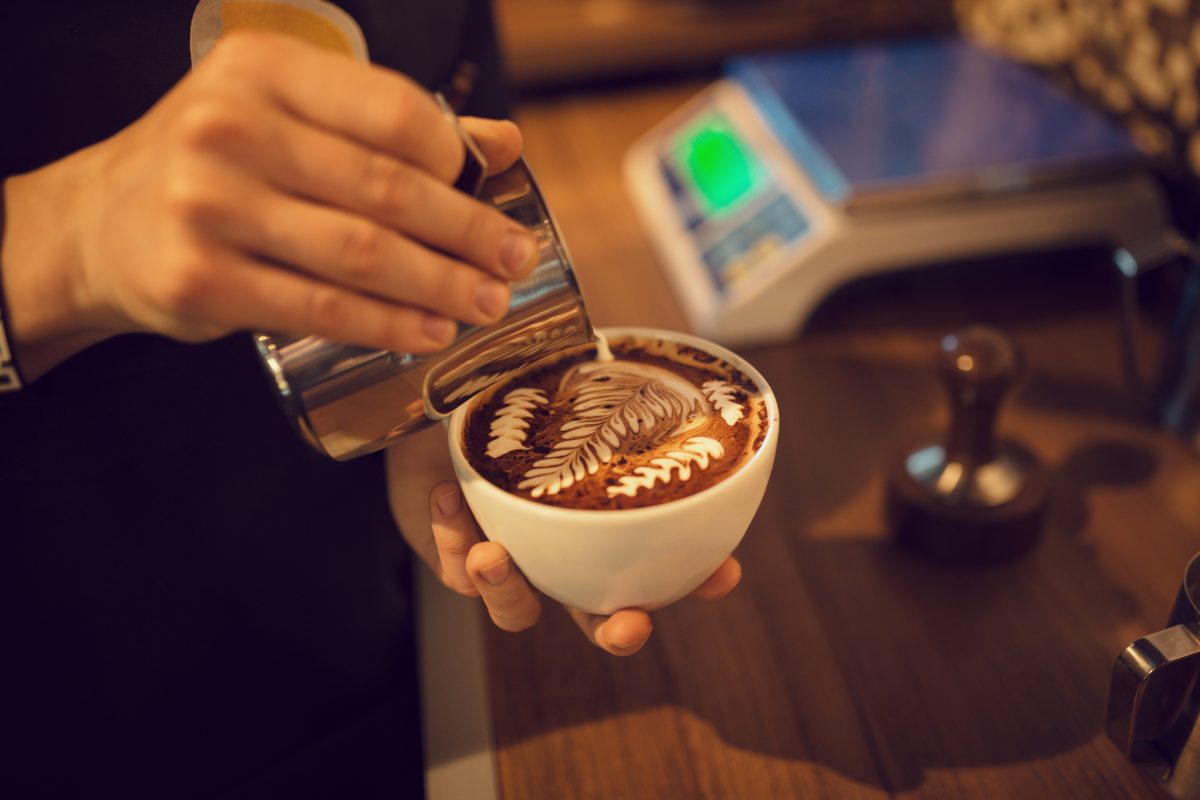
Plenty of independent coffee shops now keep a small card by the grinder announcing this month’s guest coffee, roasted a few states away. Breweries worked this out long ago with guest taps. Coffee shops borrowed the idea and ran with it.
Some go big. Back in 2018, the Chicago Tribune reported that Standard Market was carrying more than 35 coffees from 12 out-of-town roasters. Most shops don’t need a wall of bags, though. One guest at a time is usually the smarter place to start.
What the shop gets out of it
A guest coffee gives people a reason to ask what’s new. Somebody who has ordered the same latte for three years might try something different if the barista says it’s only around for a month.
It also lets a newer shop borrow a little reputation. In a Fresh Cup piece, Yeekai Lim of Cognoscenti Coffee in Los Angeles described regulars getting a kick out of coffee roasted in Portland or Calgary. A young cafe, Lim added, gets to ride on the following an established roaster has already built.
Keep your own name in front of the customer
Here’s the trap. When the roaster’s bag gets all the attention, people may remember the roaster and forget where they bought the drink. The beans can change every few weeks, but the shop’s name shouldn’t get lost along the way.
That’s a good job for the cup. It’s the one thing that leaves with the customer, whatever coffee is in it this month. Print your name on it and leave the roaster off, and the same stock works through every rotation. If you’re pouring hot drinks all day, a double wall cup also means you can stop buying sleeves. It’s easier than it used to be for a small shop to get cups printed, too. US Paper Cups, for example, prints coffee cups in the U.S. with a minimum of 10 cases per size and ships three to four weeks after you approve the proof. So order before the current stack runs low.
The math is tighter than it looks
Guest coffee costs more to run than most owners expect. Perfect Daily Grind laid out the basic problem in September: the price you pay a guest roaster already includes that roaster’s margin, and then you need your own margin on top to cover rent and wages. A shop roasting its own beans only has one margin to worry about.
Matt Patch, founder of Patch Coffee, told the publication that cash flow, margins and pricing can get really difficult for shops importing coffee from all over the world. Most small cafes won’t go that far. Even so, the lesson holds at a domestic scale. Price the guest drink for what it actually costs you, even if that’s a little more than your house cup, and don’t quietly absorb the difference.
Many shops split the difference with a hybrid. One roaster stays on espresso. Guests come and go on the filter side and the retail shelf. Perfect Daily Grind says flavor tends to stay steadier that way, and customers still get something new to try. Got a lot of latte drinkers? Begin there.
Your baristas will feel it first
Every new roaster means relearning the bar. Lim found that brewing technique has to change more between roasters than between origins from the same roaster. Lim gave the example of a bright, floral coffee. A new barista who hasn’t been told what to expect can burn through a lot of beans chasing dark chocolate and caramel that were never going to show up.
So write it down. Give the team a short note on each coffee covering how it should taste and what recipe worked, and pull a shot together before it goes on the menu.
Then there’s stock. Every roaster orders and delivers on its own schedule. Roast dates rarely match up either, so first-in, first-out gets messier than it sounds. A shared spreadsheet helps, and Perfect Daily Grind’s version tracks roast date, delivery date and expected sales for each coffee. Order light, too. Limited coffees only stay on the menu for a few weeks, and anything you over-order becomes your loss.
How to set up your first guest
George Glannakos of Revolver, a multi-roaster cafe, laid out a simple routine in Fresh Cup, and it’s a sensible template.
Start with samples, and taste them yourself. Don’t go off a roaster’s name or a pretty description online. What matters is what’s in the bag right now.
Then the boring part. Before anyone commits, get answers on minimums, volume discounts, order deadlines, ship days and shipping costs.
Then put both a start date and a finish date on the calendar. Glannakos compares a guest roaster to a guest in your home, with “an agreed-upon departure date.” It helps the roaster plan inventory, it gives you room to line up the next one, and if the coffee sells well you can always extend it.
Last, get ready for launch. Brief the staff, put prices in the register, print the shelf tags, and tell customers about a week before the first shipment lands.
As for how many, Lim’s advice was to start with two roasters and add more as the business grows. Past five at a time, Lim wrote, even tasting everything that arrives gets hard.
A guest program won’t suit every shop. If people come in for the same dependable cup every morning and your crew is already stretched, extra moving parts might cost you more than they bring in. Got room for one extra coffee and somebody who loves talking about it? Then one guest for one month is a cheap way to see what your regulars will actually try.
Read more: Why Small-Batch, Roast-to-Order Coffee Tastes Better
Read more: Why Organic Beans Solve the Jitter Problem (Clean Coffee, Clear Energy)
Read more: Mad Honey in Tea and Coffee: Unique Infusions You Must Try