3 Tips for Raising Chicks in the Classroom
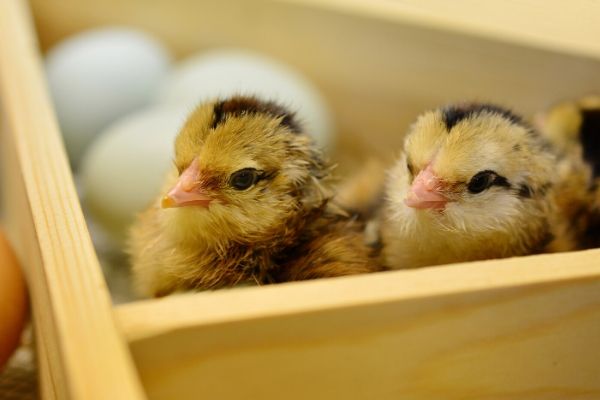
Raising chicks is a classroom staple, no matter how old your students are. It’s a fantastic way to teach about birth, life, and the animals that make up our world—plus, baby chicks are just plain cute. However, raising baby chicks is a big responsibility. They require special equipment and care from you and your students. To make your project successful, follow these tips for raising chicks in the classroom.
Start with the Incubator
One of the most important parts of raising chicks is hatching them in an incubator. Make sure your incubator stays at a consistent and safe temperature—around 99.5 degrees Fahrenheit. Humidity control and air circulation are also essential throughout the incubation period. Be sure to research with your students the type of chickens you’re hatching and what their specific incubation requirements are. While the eggs aren’t as fun to watch, your students can learn all about what it takes for a chicken egg to survive. Plus, it’ll be even more rewarding when you do get to see them hatch.
Move Slowly
After about 20 days of incubation, you’ll start to hear chirping as the chicks emerge from their eggs. Newborn chicks are extremely lethargic for the first day or so. Though it’s tempting to pick them up right away—especially when you have a room full of kids clamoring to do just that—stick to just watching them at first. Let them be tired, wet, and floppy as they adjust to this new world. Have your students speak softly so the chicks can get used to their presence. In a few days, they’ll be more comfortable and energetic—and ready for your students to handle them.
Safe Handling
Once your chicks are hatched and ready to explore the world, you still must be careful with them. Teach your students the proper handling techniques for their baby chicks to avoid any accidents. One of the most important tips for raising chicks in the classroom is to keep your movements calm and gentle. Always supervise whoever is handling the chicks outside their brooder—especially if you have younger students. While this is by far the most exciting part of raising your chicks, it’s also a great time to remind your students that these are living creatures, too. Your students must work hard to take good care of them both in and out of their brooder.