Should We Boost Our Immune System to Fight the Coronavirus?
The coronavirus pandemic is nothing short of epic, and saying anything else would be a gross understatement. This is a health emergency that has captivated the attention of the world, grasping every continent in its contagious palms and grinding the world economy to an abrupt halt.
With all of that in mind, this is definitely not a virus to be taken lightly. But seeing as there is no vaccine yet, it stands to reason that everyone should work on bettering their immune system. So, what are some of the basic steps you can take? And is that really always a good idea? We’ll explore the most important points below.
Cytokine Storms
As of now, there is no treatment for the coronavirus itself; only its symptoms and a little bit of knowledge that it hits men much harder than women. At least, it started that way… With that in mind, everyone would do well to try and make their immune systems as efficient as possible, in order to combat the detrimental effects of COVID-19. However, you should know that there are rare instances in which even this can prove to be dangerous. For instance, this pandemic has pulled another health issue into the spotlight – cytokine storms.
Cytokine cells exist to pass along instructions on combating viruses and other biological threats from our nervous system to the other cells in our body. But (mostly) as a result of small genetic disorders in individuals, it’s possible for these cells to remain active after the threat to your body has ended. In other words, cytokine cells may start attacking and damaging healthy and vital organs – with possibly fatal results. So, does this mean that you shouldn’t try to improve your immune system through multivitamin supplements and healthy dieting? Absolutely not. But you should still keep every eventuality in mind. And considering that – what can you do to improve how your immune system works?
Getting More Sleep

Many people aren’t aware of this, but there’s a close tie between immunity and sleep. People who suffer from insomnia or don’t get enough sleep for other reasons are far more likely to get sick in general; COVID-19 aside. If you want to improve your immune system naturally, you should strive to get an adequate amount of rest. Plus, if you do get sick, sleeping more will let your immune system fight the disease far more effectively.
For adults, less than 7 hours of sleeping is deemed suboptimal, while teenagers are advised to sleep for 8 to 10 hours. If you don’t make up this much time sleeping, you should try to spend less time online before you go to bed. The light from various screens and devices in your household may disrupt the sleep cycle of your body. Naturally, there are other things you can do to improve your sleep. We recommend making sure that there are no lights on in your room at bedtime; including TVs or street lights that are visible from the bedroom. If limiting exposure to light is not possible, think about putting on a sleep mask. Also, regular workouts will help your body lay to bed at night without any excess energy.
 Eating Whole Foods
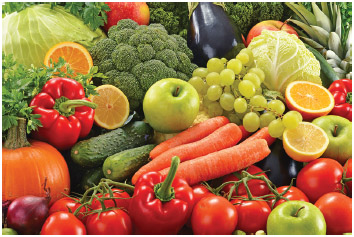
If you want your immune system to be an effective safeguard against various harmful viruses and pathogens, you need to give it ammo in that fight. And that would be healthy plant food, such as legumes, seeds, nuts, and vegetables. All of these contain antioxidants and nutrients that will prove to be of immense value for your immune system.
The above mentioned antioxidants are important for lessening inflammation in your body. They achieve that effect by battling compounds in your body dubbed free radicals. Once these build up, they are the main causes of inflammation. Incorporating magnesium glycinate supplements can also support this process, as magnesium plays a crucial role in reducing inflammation and preventing chronic issues like some types of cancer, heart disease, and dementia.
The fiber found in plants will help your gut maintain a variety of healthy bacteria; these work hard to boost your immunity and prevent harmful substances from damaging one’s digestive tract. Also, vegetables and citrus fruits have a lot of nutrients such as vitamin C; vitamins that are crucial for combating symptoms of the common cold. This is especially important these days, as COVID-19 starts out with a similar combination of symptoms. The most vulnerable group – men of age over 65 – may consider taking additional immune system booster. HealthTrends offers a helpful guide on this.
Healthy Fats
For years on end, people believed that fat was bad for you. But in reality, there are certain kinds of fat that are quite beneficial for one’s immunity. For instance, the fats contained in salmon and olive oil are great for aiding your immune system in the fight against pathogens.
We’ve mentioned the benefits of anti-inflammatory foods above; know that olive oil is also one of them, helping reduce the likelihood of developing chronic issues like diabetes and heart disease. And when it comes to combating acute health risks like viruses and bacteria, there is definitely no need to ignore these foods.
Limit Sugar Intake
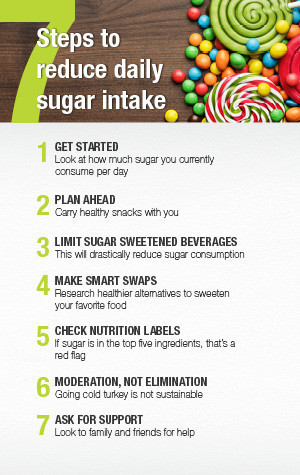
You should know that, while many people have refined carbs and sugars as the basis of their diets; these make a big contribution to obesity and weight-related health issues. And obesity is a big risk for all sorts of other chronic ailments. Not to mention the fact that – should you end up needing a ventilator due to respiratory problems, being overweight will highly increase the risk of complete lung failure.
In fact, we haven’t left this part for last without intention; we want to highlight just how crucial it is to reduce your intake of carbs and sugar for the proper functioning of your immune system. Naturally, this doesn’t mean you should starve yourself; but you should replace these with more nutritious and healthier foods we’ve outlined above.
That’s especially important in terms of reducing chronic inflammation and high blood pressure; all of these are hugely detrimental to your body’s fight against any kind of virus or infection. An in this pandemic era, raising awareness of these issues is more useful than ever.