How Bankruptcy Differs From Insolvency
It’s not uncommon to hear the two words, insolvency and bankruptcy being used interchangeably, but in a technical and professional sense, they are two different legal and financial states. It’s important to note that both insolvency and bankruptcy are last-resort options for businesses and individuals because they share similar outcomes that are usually unfavorable. There are some differences between states and jurisdictions when it comes to the legal proceedings of bankruptcy and insolvency, which can further add to the confusion. In the UK, bankruptcy status can only be applied to individuals, while insolvency is usually reserved for companies and corporates.
To help shed a light on the matter, we’ve prepared a detailed overview of the difference between insolvency and bankruptcy.
What Is Insolvency?
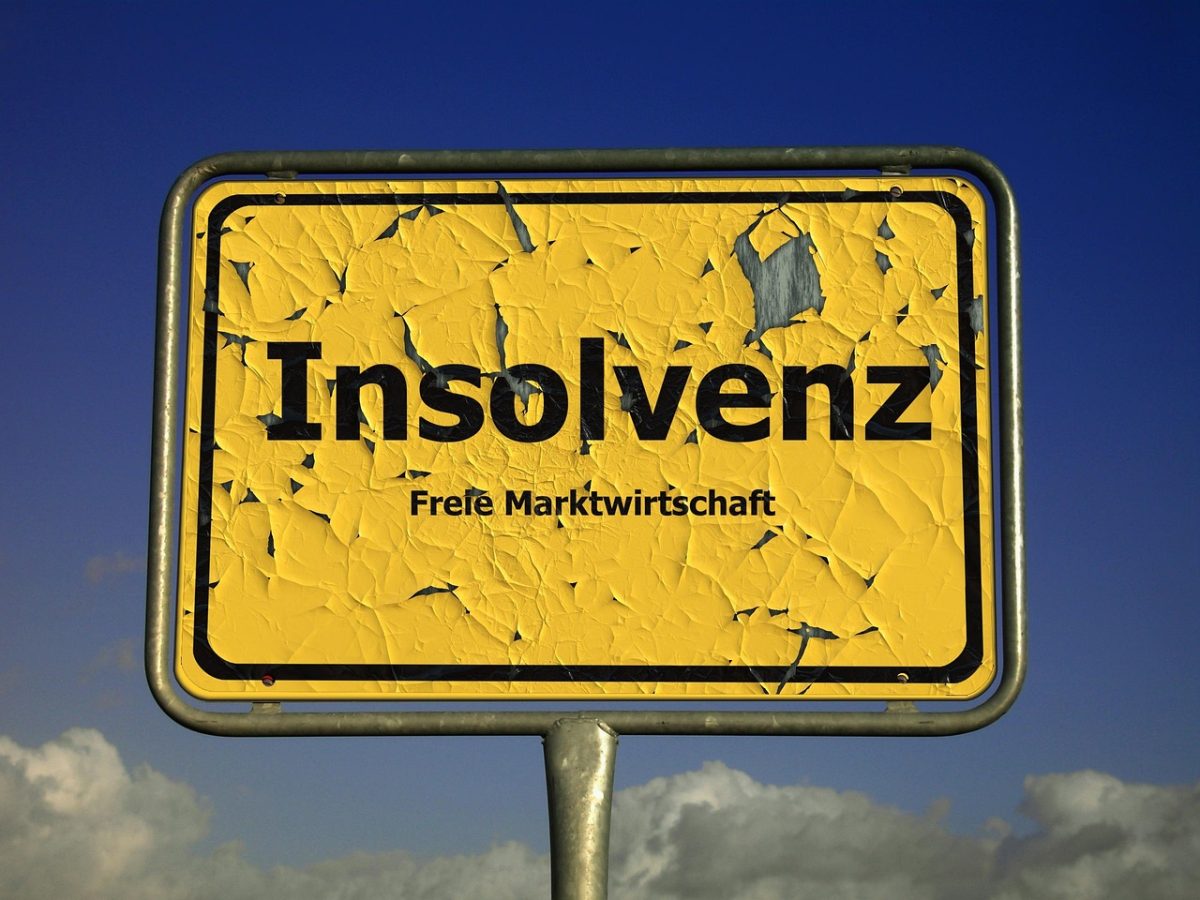
Even though insolvency proceedings can get quite technical and complicated, the main concept behind insolvency is pretty simple. Once an organization or an individual is unable to pay off their debts by liquidating or selling assets, they are considered insolvent. This can be a temporary state. It’s a last-resort option because creditors will try to make things easier for the person or business in debt by offering alternative payment solutions. After all, it still means they get paid a portion of what they are owed. Insolvency is usually the result of poor cash flow and bad investment decisions, often made by making risky gambles on certain investments.
It’s important to note that insolvency is categorized into two distinct types; cash flow insolvency and balance sheet insolvency. The former is when a business or individual is unable to meet the demands of cash payment from their creditors; either because there is no way to borrow more or to liquidate assets. The balance-sheet insolvency is a less dire situation, but it also foreshadows a business’s financial situation which will eventually turn into cash-flow insolvency because it depletes funds without a way out of this loop. Once the situation is declared unresolvable by all means, the individual or business will probably decide that declaring bankruptcy is the best solution left.
Alternative to Insolvency
Going insolvent doesn’t necessarily have to lead to bankruptcy in many cases. The alternative solution to declaring bankruptcy before going insolvent is submitting a consumer proposal. In countries like Canada, this solution is favored by both creditors and debtors because it can create a win-win situation instead of a complete loss for both parties involved. You are bound to find a great resource that can walk you through the entire process in detail. But essentially, a consumer proposal entails submitting a proposed agreement to your unsecured creditors with a plan to repay a portion of the debt over a 5-year period or less, making you insolvent without being bankrupt. Most people who go for consumer proposals only end up paying 30 to 50% of the debt they owe. Most creditors won’t reject the offer because declaring bankruptcy usually means that they won’t get any money owed at all.
What Is Bankruptcy?
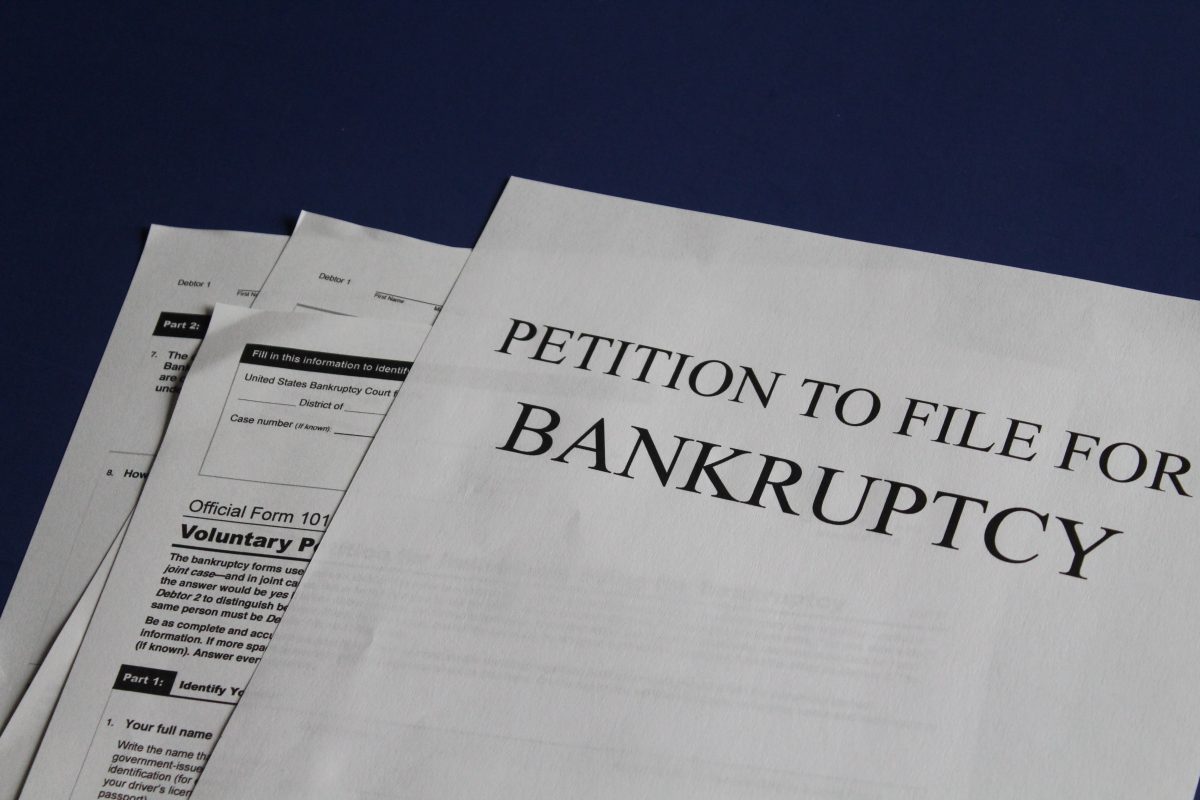
When the markets’ tide starts becoming lower in certain years, a lot of businesses and individuals file for bankruptcy. When the insolvency is created by not being able to repay debts through a cash or liquidation of assets, declaring bankruptcy will stop the financial downturn. This is the point where the law or court is involved in the process of debt repayment. The court gets the final say in determining the next plan an insolvent business or individual should have to deal with a lot of unpaid financial obligations. The court has the power to ask the debtor to sell extra assets, create a payment plan for certain debts, or even remove the total debt that is owed from the debtor as a whole if there is no other way to repay it.
Bankruptcies are not all the same; the most commonly issued types are Chapter 7 and Chapter 13. Bankruptcy cases belonging to Chapter 7 are usually for individuals who took on unsecured loans or piled up a lot of credit card bills; it can reset them completely. Chapter 13 is aimed towards businesses to help them with a payment plan that makes it possible for them to continue repayment of essential debt like a mortgage or taxes. The price of bankruptcy is so high that businesses and individuals avoid it as much as possible. While it can ease the burden of debt, it’s a negative mark on credit ratings that can make it very hard to borrow funds or start a business again.
Both bankruptcy and insolvency are two unfavorable and last-resort solutions to bad financial situations. It’s important to understand the differences between them because they can often be confused. To summarize it for you, insolvency is a state of financial distress while bankruptcy is the legal proceedings that can make insolvency become official to all creditors in the eye of the law.