Eco-Friendly Construction Materials to Create Greener Buildings
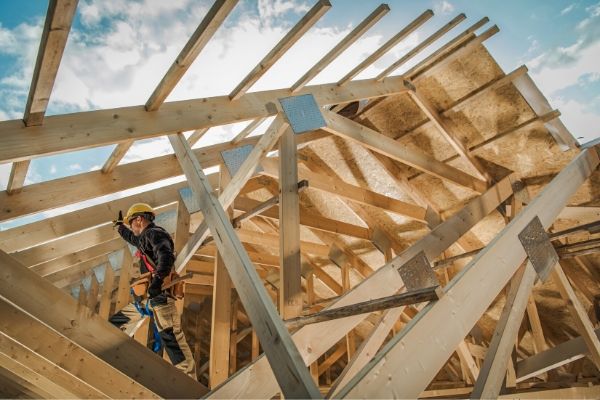
As concern for the environment grows, greener building practices are increasingly in-demand. One way to decrease the negative impact a construction project has on the environment is by using eco-friendly building materials. Building materials can be eco-friendly in multiple ways. For example, the material could be made from recycled content, have a long life cycle, be produced efficiently, or be free of toxins. The more of these qualities the material possesses, the better it is for the environment. To learn about some of the best eco-friendly construction materials to create greener buildings, continue reading.
Bamboo
Bamboo is one of the most eco-friendly building materials that the world has to offer. With the ability to grow up to three feet in just 24 hours, bamboo’s incredibly high rate of self-generation makes it a rapidly renewable resource and highly sustainable—unlike wood, which takes a considerable amount of time to grow. Bamboo is also lightweight and requires less energy to transport than heavier materials. Plus, bamboo requires minimal energy to grow, as it doesn’t require replanting after each harvest.
In addition to its admirable eco-friendly qualities, bamboo is also a sturdy and reliable building material. Having a substantial strength-to-weight ratio, it is durable enough for use in walls, flooring, and a variety of other applications.
Metal fabrics
Metal fabrics have several qualities that make them an ideal green building material. For starters, metal fabrics are created from more than 60 percent post-industrial and post-consumer recycled stainless steel. As such, metal fabrics avoid the high energy expenditure required to create new materials.
In addition to being created from recycled material, metal fabrics are also incredibly durable, weather-resistant, and long-lasting, which reduces the need for repairs that expend more materials and energy.
Metal fabrics also improve the eco-friendliness of the building itself as they help maintain temperature balance inside a structure. As such, the fabrics serve to decrease the amount of energy needed to heat or cool a building for continuous environmental benefits.
Precast concrete
Concrete is a popular material choice for eco-friendly construction materials because it requires little processing, is incredibly durable, and is recyclable. For optimal environmental benefits, however, contractors should opt for precast concrete.
Unlike traditional poured concrete, precast concrete is formed into pre-made molds and cured at a manufacturer’s site and then shipped out in whole sections to construction sites. The production of precast concrete is more sustainable than pouring concrete on-site as it requires far less energy to produce and assemble.
Also, because precast concrete cures in a controlled environment, there is less likelihood that unfavorable curing conditions will lead to structural faults that could potentially result in the need to start over.