Where Do We Stand on Vaccine Development For COVID-19?
 Virtually all Americans would agree that our lives have changed drastically over the past six months. The novel coronavirus, which has now caused 167,000 confirmed deaths nationwide, has forced us to grapple with widespread school closures and event cancelations. And while 162.07 million people were part of the U.S. civilian labor force in 2018, millions of residents have now filed for unemployment as a result of COVID-19.
And while we’re eager to get back to normal, medical experts warn that we can’t afford to let our guard down. We have to continue wearing masks, practice social distancing, and wash hands frequently. Moreover, there are some people who feel that going out in crowded public spaces — whether it be a school, a restaurant, a shopping mall, or a concert arena — can’t happen safely without the development of an effective vaccine. For many, the risk is simply too great. Whether you’re part of the senior population (which is expected to reach 14.4 million people by 2040), you have an underlying health condition, or you’re worried about the health of your loved ones, it seems like we may need to get used to disappointment until we can make a vaccine to protect ourselves.
But even though it may be tempting to hang all our hopes on science, there may be a sobering thought to consider: a vaccine is still a long way off — and even when it is developed, many of us may not be able to get it.
Russian President Vladimir Putin is already claiming that his country has approved the first coronavirus vaccine for use, but Russia has not released any scientific data pertaining to the vaccine and its legitimacy has been widely called into question. The vaccine was registered prior to phrase three trials, meaning that developers from Moscow’s Gamaleya Institute bypassed the typical process that would normally involve thousands of people and last for several months. Ironically, the vaccine has been dubbed “Sputnik V” as a nod to the Space Race that took place between the U.S. and the Soviet Union; it’s clear that Russia is trying to win the global race for a coronavirus vaccine — but whether they’ll actually end up winning isn’t yet clear.
So where is the U.S. in this race? Although modern labs are capable of screening ingredients to 0.1% and lower, developing a safe and effective vaccine in a lab takes more time than most of us would like to believe. U.S. Food and Drug Administration Commissioner Dr. Stephen Hahn recently explained that the FDA won’t cut corners or compromise safety in order to bring a vaccine to market. This statement, in addition to standing in contrast to recent moves from Russia, might have been an effort to convince Americans to consider becoming vaccinated once this option becomes available. Back in May, a poll conducted by CNN found that one-third of Americans wouldn’t try to get vaccinated against COVID-19 even if the vaccine is affordable and widely available.
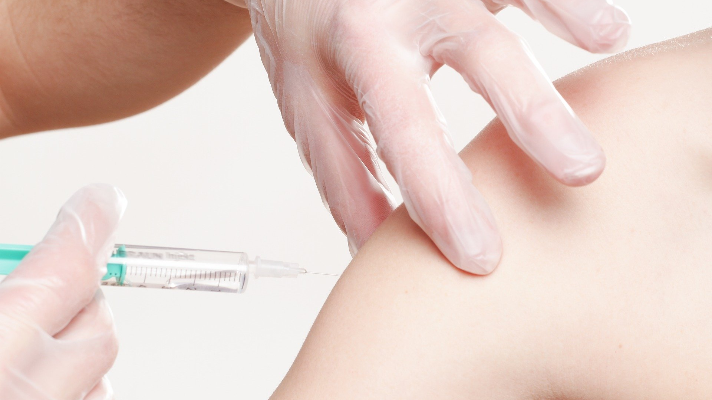
But contrary to what President Trump has publicly stated, immunization experts say that there’s no chance of a vaccine being ready in time for Election Day. Although one company is already beginning phase three trials for a potential vaccine, the timeline simply doesn’t allow for any effective results by early November. At the earliest, many experts say, a vaccine might be ready sometime during 2021. And while the U.S. is one of the nations to have secured deals for its citizens to be among the first in line for COVID-19 immunizations, experts say that the first doses will likely be reserved for healthcare workers and those who are deemed high risk. It may be well into next year before the majority of Americans are even able to secure a dose.
As of now, there are 139 prospective vaccines in the pre-clinical stage, with 25 currently being used in small safety trials, 17 in expanded safety trials, and seven in large-scale efficacy trials. But Dr. Anthony Fauci has stated that the chances that scientists will create a vaccine that provides 98% of more guaranteed protection is highly unlikely. For the record, scientists are hoping to develop a COVID-19 vaccine that’s at least 75% effective — but both they and the FDA would accept a vaccine as long as it’s safe and at least 50% effective. Although those odds might not sound great, it’s important to keep in mind that influenza vaccinations are also about 50% effective — though the measles vaccine is around 93% effective.
In other words, even when a coronavirus vaccine does become available, we won’t be out of the woods. Instead, we’ll still need to be extremely diligent and continue with many of the practices we’ve adopted since March. And that’s disappointing and frustrating news for many Americans who have suffered undeniable hardship as a result of this virus. Like it or not, we’ll have to continue making good on our personal responsibility to ourselves and to each other — and hope that we’ll find the answer sooner rather than later.