How to Turn Your Patio into a Conservatory

One of the best things about having a garden is having the opportunity to spend time outside, enjoy the sun and nature. However, when the autumn kicks in and rain start falling, you have to say goodbye to drinking your morning coffee on the patio. But if you want to keep part of that upbeat atmosphere during the colder months, you can do that by building a conservatory.
So, if you’re thinking about adding something like this to your house, these are things you need to take into consideration.
Do You Need a Building Permit?
Generally speaking, building a conservatory doesn’t require a planning permit, but there are exceptions. So, before you start upgrading your home, make sure you have all the necessary information about the legal aspect of it.
Permission will probably be needed if:
- This renovation will increase your house for more than 15%
- You have already extended your living space
- Conservatory is not on the ground floor
Going through this type of procedure will cost you extra money and will take time, several weeks usually. There is also a possibility you’ll have to comply with building regulations. Although this kind of additions is categorized as “non-habitual dwellings” and as such don’t have to be built in accordance with the regulations, in certain cases you will have to do that. In the situation where the conservatory is separated from the rest of the house by the external doors or is under 30sq.m in the floor area, rules will not be valid.

Planning and Installation
Conservatory will prove as a valuable addition in many ways. Among other things, it will expand the usable space you have in your home and enhance its market worth. Not to mention the fact that it’s a place you’ll get to enjoy the amazing view of the backyard garden during
It’s good to go into the whole process with some basic idea of what you want to achieve and what you want to use this space for but don’t be too rigid. Flexibility can pay off in the end and you can end up with something much better than expected. It allows for a custom brick patio design that reflects your personal style and enhances your outdoor space. So, keep an open mind.
What Materials Should You Use?
Well, the answer to this question depends. Mostly, it has to do with how big your budget for this project is. Vinyl, aluminum, and wood are some of the most popular options. The most cost-effective of them are vinyl. Also, this material is good in terms of strength and insolation while being fairly easily maintained.
When it comes to roofs, if you want as much sunlight as possible, even during those cold winter days, then glass or polycarbonate is the best. If you want that crystal clear view then the glass is what you go for but it’s also quite a bit more expensive option.
No matter which one of these two materials you choose, don’t forget to get informed about their U-value (a measure of how much heat the material conducts). Choose the one with the lowest possible number since what will provide you with the most energy-efficient space.
Heating and Cooling
To be able to enjoy this room as much as possible, you need to make it completely functional all year round. There are several heating and cooling options for your conservatory and all of them will make it cozy and energy-efficient. Something like tailor-made pleated blinds will not only be able to control heat gain and loss, but also reduce excessive light and glare.
Considering the importance of maintaining a comfortable temperature in your conservatory, looking into HVAC home warranty coverage is a smart move. Doing so could provide added peace of mind by helping manage unexpected repair costs for your heating and cooling systems, ensuring your space remains comfortable throughout the seasons.
Installing ceiling fans will make the air move during those work summer months while a small gas wall heater will allow you to enjoy this space in its full capacity even when temperature significantly drops. If you have room to splurge, you can also install radiant floor heating.
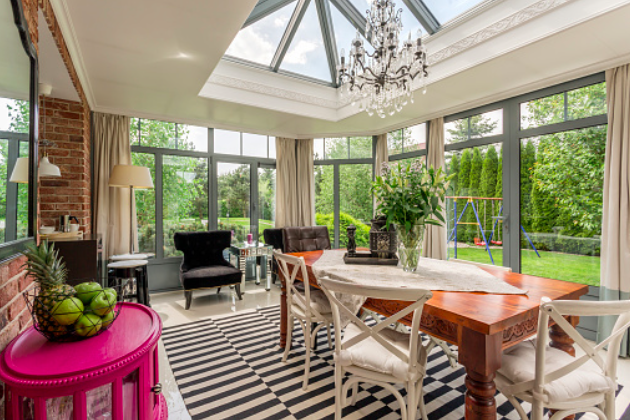
Building a conservatory will increase the value of your property while also providing you with space where you can simply relax and enjoy the view. Still, starting this type of project demands careful planning and time. Depending on its size, it can take between 3 or 6 weeks. Don’t jump head first. Do the necessary research and ask a professional for advice. all seasons.
When you start a project like this, you will have to consult with a contractor. As someone with experience in this sector, they will be able to give you some important advice on what needs to be done and what you can expect. Besides the fact that you need to make this new addition blend well with the style of the rest of the house, you have to pay attention when making decisions regarding materials and design of windows, doors, roofs, etc.