What To Know When Buying a Used Motorcycle
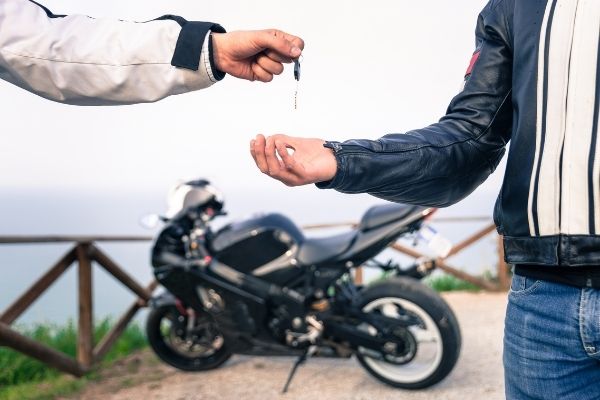
So, you’ve found a nice-looking motorcycle at a reasonable price and you’re ready to seal the deal. Not so fast! While the price tag may look enticing, buying used is a bit more complicated than purchasing a brand-new model. To avoid getting a bad deal, it’s important to do your research ahead of time. Below, we address some of the most important things to know when buying a used motorcycle.
Is It Clean?
No, we aren’t talking about whether or not the motorcycle is a little dirty or not—we’re talking about its title. When purchasing a used vehicle of any kind, it’s essential to take a look at the vehicle’s title. One quick glance at this pink slip of paper will tell you whether the motorcycle has been in any serious accidents or whether it has sustained significant damage in the past. If the vehicle has anything other than a clean title, that could explain why the price is so low.
While purchasing a motorcycle with a salvage title or other branded title may not be a deal-breaker for those willing to put in a little extra work, it’s important to know what you’re getting into before signing on the dotted line.
Are You Really Getting a Good Price
To avoid getting ripped off, it’s important to do some research on the price of the vehicle before agreeing to anything. To get a fair approximation of the market value of the motorcycle, take a look at retail pricing guides or used motorcycle classifieds such as Kelly Blue Book or NADA guides.
When considering the prices to buy or trade in your motorcycle, make sure to factor in any modifications that have been made to the vehicle that may have increased (or decreased) its value. In addition, you should also do a vehicle history check to account for any damage that the vehicle may have experienced in the past.
Additional Costs To Budget For
Once you have a general idea of how much the motorcycle is worth, make sure to consider any additional costs that may come up during the purchasing process before nailing down your budget.
For example, a setup or dealer-prep fee, title transfer and registration fee, transportation fees, and motorcycle insurance are all common additional fees to budget for. When purchasing a motorcycle that needs a little work, you should also carefully consider potential repair or replacement costs that it may incur which can quickly add up.