How Office Design Affects the Productivity of the Employees
Office design dramatically affects employees’ productivity. It is the same reason you’ll find most multinationals and local companies investing heavily in offices and sticks to specific plans to ensure their employees are comfortable, which leads to improved productivity. Just like your home, you’ll appreciate a working place with a great interior and architecture. An exemplary office should have the capability of improving employee productivity, safeguarding their health, work rate, and overall well being. Let’s look at some ways it affects employees.
-
Open Plan Increases Teamwork

Having an open workplace increases teamwork among employees, especially in dependent departments. If you have processes that require outputs from another, you can create open, large spaces to enable your employees to collaborate, thus improving efficiency. This collaboration ignites the team spirit and improves the working relationships between employees. It also reduces the time taken to move from one department to another, reducing telephone calls within the company. An open-plan office helps employees interact with each other freely, making them work efficiently and effectively.
-
Color Impacts Mood and Productivity
When you step into most offices, you will see their walls and fittings having sharp and warm color schemes. This coloring is not a coincidence. The reason is that these colors help employees stay alert and be calm while working, which influences their productivity. Offices with dull or bland colors tend to be the worst working places, with most employees feeling sad and depressed. According to office experts from vestraworkspace.com.au/expertise/fitout/, every office should research every color’s psychological effects before investing in it. Most people prefer orange and pink colors because they ignite excitement, energy, enthusiasm, and warmth. At the same time, blue brings about peace, calm, and relaxation. The blue shade can be included in areas requiring concentration and attentiveness. Ensure the color you choose for your office corresponds to the work you do. Avoid boring and dull colors, which brings down the morale of the employees.
-
Natural Light Improves Vitality and Reduces Stress
Studies show that employees who work in open spaces are happier, healthier, and stress-free than those working in areas with insufficient natural light or those working under artificial light. According to scientists, natural light has several benefits to a working mind, including reduced stress, increased alertness, and reduced employee absenteeism due to sick offs. Most individuals who work in areas without natural light tend to feel dizzy and sleepy at work, with some portraying anger and stress. Getting enough natural light during the day makes one alert, works harder, and sleeps well at night, preparing their minds adequately for the next day. All these processes lead to an increased output to an employee.
-
Plants Improve the Working Environment and Air Quality
Plants and flowers in the workplace have other uses other than enhancing the office look. They significantly impact the employees’ health and wellbeing and improve an office’s air quality. From studies, plants in workplaces tend to improve employees’ moods, and the areas tend to have better air quality than its surroundings. Employees working in offices with plants and flowers have less stress and fatigue and record low anxiety levels than their counterparts working in offices without these additions. What does this mean? It shows that plants help in creating a positive working environment.
-
Breakout Places Help to Increase Productivity
How is your workplace? Do you sit all day at the office and leave only when the day it’s over? From the research done, break out places in workplaces improves the productivity of employees. Employees who sit the whole day without taking a break tend to work harder but with fewer results. Employees should at least switch off their minds to off work and take some breaks around the workplace to regenerate. These breakout places include other offices, kitchen, balcony, rooftop, gardens, or isolated places within the building. These breaks enable the employees to relax their minds, develop new ideas, and accumulate energy for the next task. A relaxed mind tends to concentrate more and leads to higher productivity.
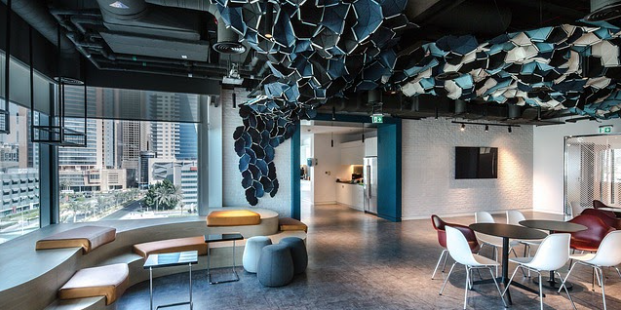
If you are trying to build or renovate a workplace, ensure it has all the qualities that improve employee productivity and wellbeing. It would help if you were keen on the factors listed above, including creating open spaces, having break places, providing natural light, plants, and other amenities that help the employee settle well and focus on working. If Combined, all these efforts lead to better working conditions that help retain employees for longer without work and health issues. We hope the article has enlightened you on the aspects you need to embrace.