How to Prevent Mold in Your Property
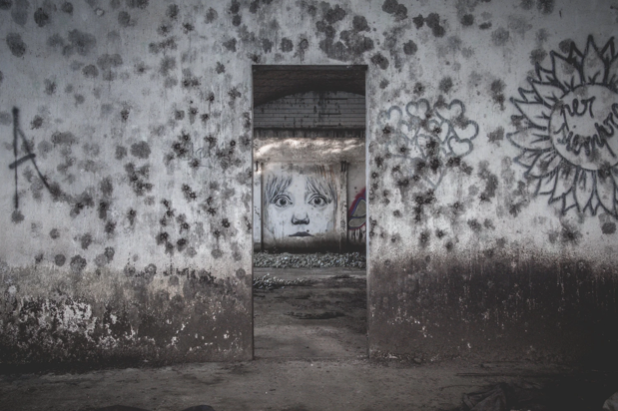
Fascinating in many ways, mold can come in different forms and serve incredibly lofty purposes. However, even real gourmets who fancy brie-ish cheeses would hardly aim to breed mold at home. Wittiness aside, nobody wants to share their house or apartment with those creepy microorganisms, and in the majority of cases, people are not aware of the problem – all until they notice unpleasant stains and specks on the walls or window trims.
Mold not only looks ugly but it also poses a serious threat to health. Different types of mold are famous for being stubborn producers of hundreds of allergens, irritants, and even some toxic substances. That’s why you just can’t let it grow. Here is how to prevent mold in your property, because as we all know, prevention is key.
What Is Mold & How Does It Get Into My Home?
Mold is a microorganism, an airborne spore that is found literally everywhere. It’s safe to say, molds can thrive on any surface, but only under one condition – that surface should be moist enough. The bad news is, you do not have to do something special to kickstart the growth of those black stains of orange, green, white, or brown specks. Your everyday activities such as cooking, taking a shower, drying clothes, watering plants, and even breathing do it for you. Colder months that bring big temperature differences between outside and inside are especially suitable for boosting mold development.
What If I Already Have Mold In My Home?
If you have spotted mold in the bathroom, kitchen, basement, or any other area of your property, it’s a good idea to carefully inspect every corner of your house to discover all the eventual places it can hide. There is no dilemma, mold removal is the thirst and foremost step you can take because otherwise, all your future efforts will be in vain. If you are not sure whether a certain wall is contaminated, smell it – a specific musty smell is often the only clear evidence of the problem.
How To Prevent Mold Growth
Of course, you can pay extra for your home insurance to cover eventual mold growth but it won’t help you live in a healthier environment, nor it will let you avoid all the hassle of getting rid of this problem. Or, you can follow some simple guidelines and enjoy a mold-free home without additional expenses.
Let Fresh Air Into The House
Even when it’s cold outside, do not forget to regularly open the windows and let fresh air circulate. Proper ventilation will significantly reduce the risk of mold building and it is especially true when it comes to such vulnerable spaces as kitchen and bathroom. If your bathroom has a window, do not seal it until the warmer spring days, use it to air out the place.
Do Not Dry Clothes Inside
If you still haven’t got a dryer, it’s time to invest in one or buy a washing machine with a dryer because drying clothes inside (especially if using radiators) is the worst thing you can do. Alternatively, find a way to dry stuff outside, on a balcony or terrace if you have it.
Use A Dehumidifier
With a plethora of products available in the market, you won’t have any problem choosing quality dehumidifiers to keep the air dry. You can place them in any room but focus on the most problematic areas such as bathrooms, kitchen, and basement. By the way, if your basement is damp, do not finish the walls with isolation or wallboard and avoid putting wall-to-wall carpets.
Eliminate Any Leaks
Fix even the slightest leaks immediately and do not ignore even the most innocuous at first glance of them. Needless to say, you have to check your roof and plumbing regularly for leak tightness. Cracks should also become a subject of your interest as they can serve as a channel for bringing moisture into your home.
Keep Bathroom Door Shut
When taking a bath or a shower, do not leave the door open. While it may seem that this way you help minimize dampness in the bathroom, it is not true. In reality, you will let the great part of the steam out just to trigger a problem in the nearby areas.

Mold in your house is no good and it can be especially dangerous for children and seniors, as well as all people who suffer from allergies, asthma, or other respiratory system diseases. It’s much easier to prevent mold growth than to fight it, therefore consider incorporating these simple steps into your everyday life.