Is Insulating Your Home Well Worth the Expense?
As the seasons change, many people start to worry about the cost of constantly running and maintaining their HVAC units. If you are one of those people, then you have probably found yourself contemplating multiple ways in which you can reduce these costs. From strategically operating your HVAC system to insulating your entire home, you have probably given it all some thought. The problem is, however, is that insulating your home can be a hassle and surely requires rather hefty upfront costs. So is insulating your home well worth the expense? Read through our article to find out.
How Does It Work?
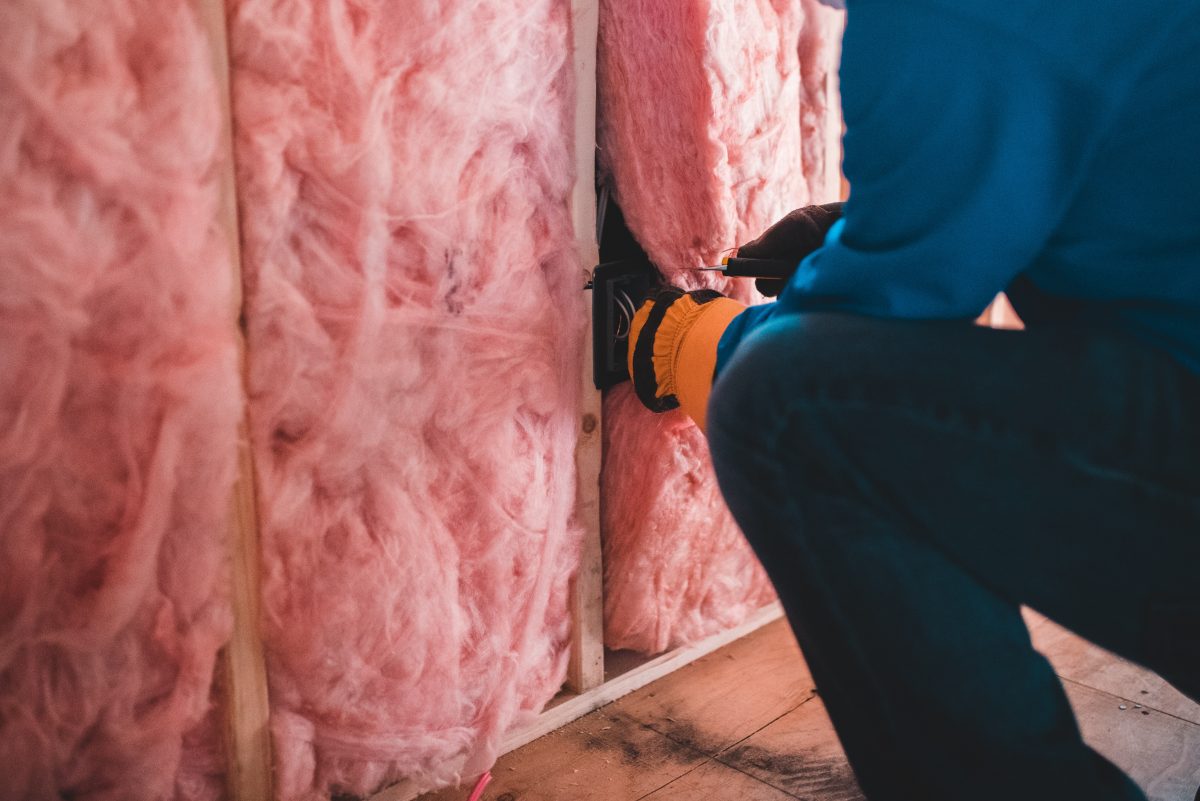
Home insulation can be applied with several materials such as polystyrene, fiberglass, mineral wool, and others. It can also be implemented through several procedures like using loose-fill, spray-in foam, and rolls of batting. The procedure and type of insulation that you should use to insulate your home entirely depends on your needs and the needs of your home. The main purpose behind insulating your home would be to reduce heat transfer in or out of your home. This means that your house would be warmer in winter and cooler in summer. This is made possible because insulation traps small air pockets to slow down heat movement into the home during the summer and out of it during winter. The effectiveness of the procedure depends on several things, mainly the material of insulation and the correctness of installation. How effective the material is at insulating your home is rated using the “R-value;” the higher the “R-value,” the higher the resistance against heat transfer.
Costs Vs. Savings
This is the question that many people ask: will the energy savings breakeven with the costs of insulating your home” Insulating your entire home is a very expensive and time-consuming process. According to statistics, the average homeowner can save around 11% on total energy costs and 15% on cooling and heating costs by insulating crawl spaces, basements, and attics. Savings can go up to 20% in colder regions. Typically, insulation ranges between $0.20 and $0.50 per square foot, so you may be able to get a better idea of how much you will be saving over time.
Unlike other investments and home upgrades, the benefits and ROI of home insulation can be predicted with almost utmost accuracy. The spray foam specialists at ASI Foam explain that if you get it installed correctly and make sure to properly maintain it, the insulation will last for as long as your house allows. It would take you anywhere between 6 months and 2 years to breakeven with the upfront costs of insulation. You can also calculate your payback accurately by using a home insulation online calculator.
Other Benefits
Besides the costs, energy savings, and return on investments, insulating your home can be beneficial for many reasons. Home insulation can make you feel more comfortable no matter what season it is, and block out noise. It will also help you control condensation within your home, which increases life expectancy and maintains the performance of certain equipment, prevents mold growth and potential health problems that result from condensation. It also helps fight against metal pipes, valves, and fittings corrosion. Proper insulation can also improve the efficiency of systems and equipment by up to 95% as it helps maintain their temperatures as they operate, enhances their quality control, and promotes safe operation.
By insulating your home, you will be saving much more energy. Not only does this help reduce the utility bills, but it also promotes better health and helps preserve the environment. By lowering your energy use, you will be reducing your carbon footprint and reducing greenhouse gas emissions and pollution. If you insulate your home, you will not have to worry about greasy and ducts, gas leaks, loose wiring, and other fire hazards that come with continuously running your HVAC system.
When it comes to home insulation, many people only think about the cost factor and return on investment factors, in other words, how much the upfront expense is and how long it will take to save that amount on electricity bills. This is understandable considering that insulating your home is a very expensive procedure; so naturally, if the cost of running an HVAC system is lower, then very few people would consider insulating their homes. Luckily, you’ll be able to breakeven with the costs in a considerably short amount of time. Not only that, but insulating your homes come with a good deal of other health, environmental, and safety benefits.