Clinton aldermen discuss medical marijuana law
By Randy Bell
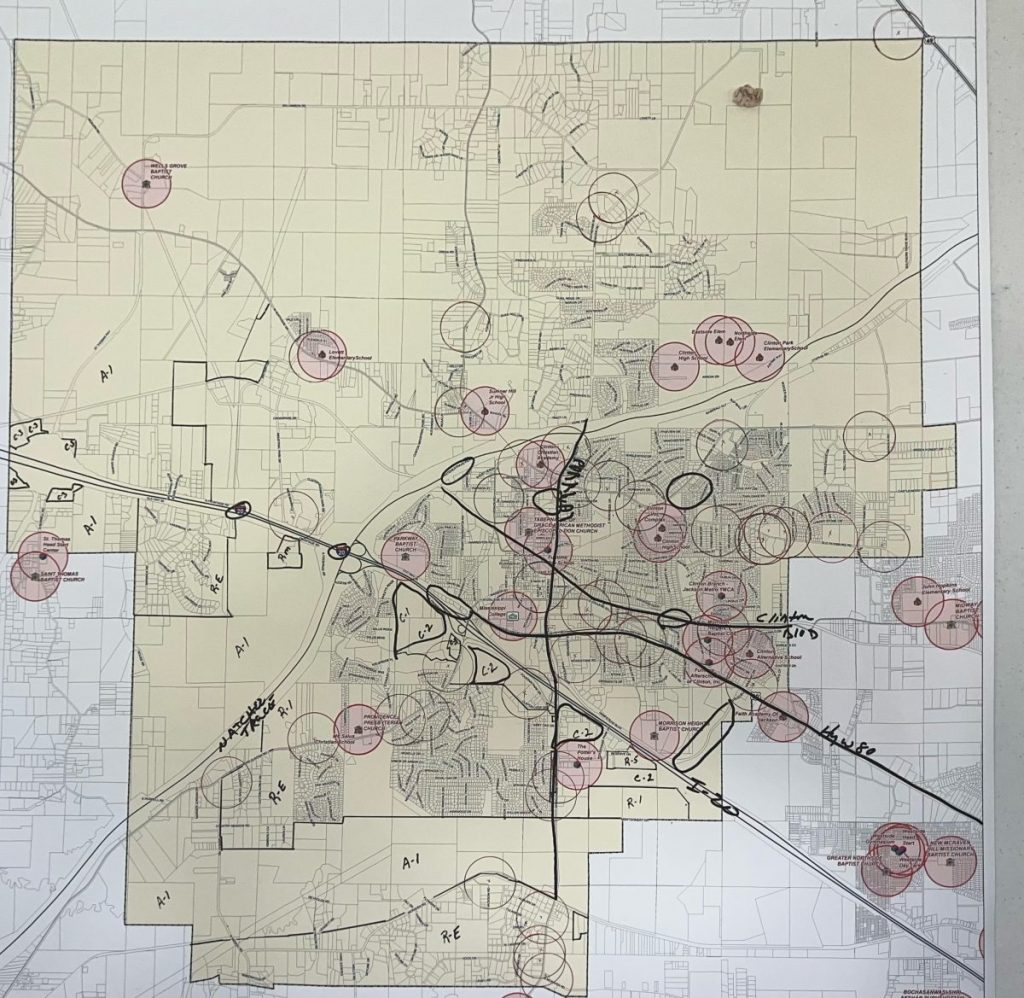
The Clinton aldermen have less than three months to decide whether the City should opt out of Mississippi’s new medical marijuana law, but they appear to be in no rush to make that decision.
At a February 14 work session, Board members heard from Clinton Police Chief Ford Hayman, who cautioned against any hasty action to allow medical marijuana in the city.
“We don’t know how it’s going to be regulated,” Hayman said.
The State Health Department is still working on those rules and regulations, but local governments were given only ninety days to make a one-time decision on whether to opt out. If they don’t opt out by the deadline, they won’t have another chance to do so. But, if they do opt out, they can change their minds at any time, and the law allows voters in municipalities and counties opting out to petition for a medical marijuana referendum which could override a Board’s decision.
Chief Hayman has plenty of other concerns. He believes some of the marijuana that’s legally grown in Mississippi under the new law will wind up on the black market, causing more problems for law enforcement.
“If we’re growing more than the medical market supports, it’s going to be trafficked,” Hayman said.
But an attorney representing a company which hopes to locate a medical marijuana cultivation operation in a warehouse at the Clinton Industrial Park said security would be tight.
Katie Snell told the Board that the proposed Rootdown Mississippi facility would have perimeter fencing, gates with access cards and a vault with five-inch metal doors to store the processed marijuana. And Snell said the multi-million-dollar improvements the company would make to that vacant building would mean a substantial boost in property tax revenue for Clinton.
Alderman Jim Martin has studied the law and says local governments were given “an unreasonable time frame,” with no guarantee that the Health Department regulations will be in place before the deadline for making a decision on opting out.
“It’s a pretty difficult process to jump into without knowing what you’re doing,” said Martin. “To make a quick decision that you’re stuck with just isn’t prudent.”
He says he wants Clinton to see what other cities are doing and compare notes.
The decision the Clinton aldermen will make doesn’t have to be all or none. The law allows local governments to reject any part of the medical marijuana industry – cultivation operations, processing facilities and dispensaries—or they can opt out of all of it. The law restricts growers and processors to areas zoned for agricultural and industrial purposes, except where local officials allow them in commercial areas.
Dispensaries could be located in all three zoning areas but could not be located within a thousand feet of a school, church or child care facility, unless they’re granted a waiver. City Attorney Will Purdie told the Board there’s a discrepancy in the law as to how that distance is calculated.
Dispensaries must also be at least 1,500 feet apart.