Walker named to Yellowstone Wildlife Sanctuary post
Special to The Clinton Courier
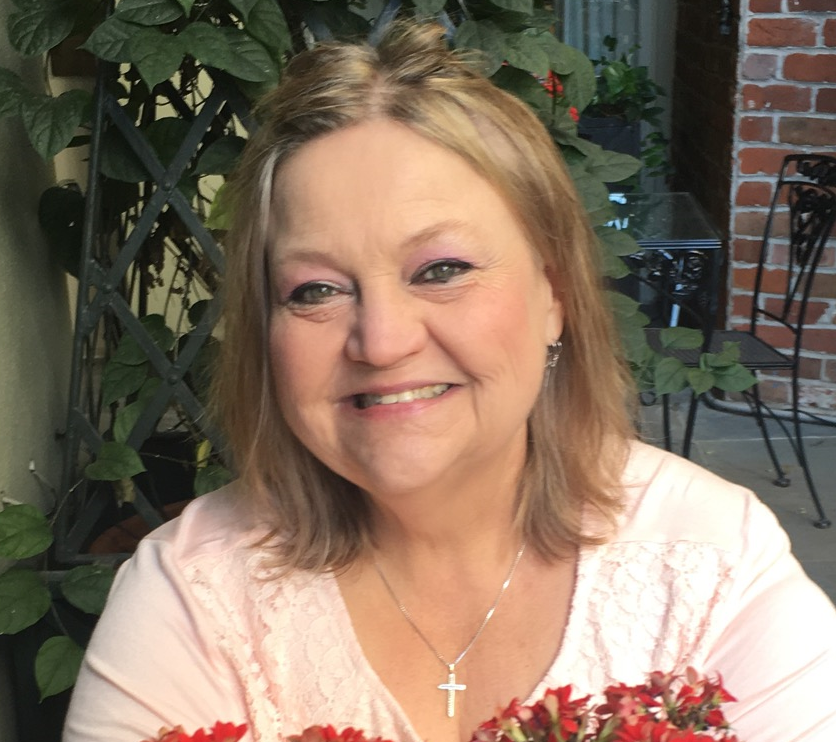
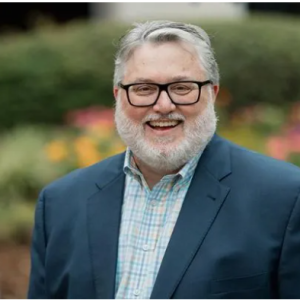
Clinton’s BR Walker has been named development director for the Yellowstone Wildlife Sanctuary (YWS) in Red Lodge, Montana. She will head this effort in accordance with the Sanctuary’s mission of “providing lifelong sanctuary to non-releasable Greater Yellowstone Ecosystem (GYE) wildlife while sharing a message of education and conservation.”
“Our organization started as a small zoo-type entity and has evolved into providing lifelong care to individual wild animals in need,” said Executive Committee for the Yellowstone Wildlife Sanctuary Board Chair Samantha Thomas. “Our history over the decades has paralleled society’s increasing interest and respect for wildlife and wild places, as we focused on the Greater Yellowstone Ecosystem (GYE) and telling the stories of our resident animals to help their species. Our work becomes more important as human activities increasingly impact GYE and wildlife habitat worldwide.”
Walker joined YWS as a grant writer in June of 2021. As development director, Walker will continue overseeing grant writing while stepping up to the development role, which has a broader focus building stronger relationships with members, donors, foundations and corporate sponsors. Walker has an extensive background in organization building, fundraising and community engagement.
“Working with Yellowstone Wildlife Sanctuary excites me, because I am a wildlife painter by avocation and a career marketing professional,” Walker said. “The new role with the Sanctuary fulfills both my professional and personal goals.”
Walker has both bachelor’s and master’s degrees in communications from Mississippi College. Her career involved supporting corporate clients nationwide.
Walker is no stranger to Montana, having completed many painting junkets with Montana artists. Although she hails from Clinton, she considers Montana the home of her heart. Her husband, Anthony Walker of Mineral Wells, Texas, shares Walker’s commitment and will also be in the community.
“Each year, at least 12,000 people from our region, throughout the U.S. and from other countries, leave with a greater understanding of the importance of healthy ecosystems and how to care for them,” said Walker. “The stories of our individual animals make the personal connection about the importance of maintaining natural habitats and larger issues of environmental protection.”
Increased development efforts will allow Yellowstone Wildlife Sanctuary to continue to provide the best quality and longest possible lives for YWS’ wildlife and welcome new wildlife as resources responsibly allow. Additionally, representing the Greater Yellowstone Ecosystem to thousands of adults and children engages in-person and online visitors with a new sense of responsibility to the Great Yellowstone Ecosystem and its wildlife.