7 Things to Keep in Mind When Installing a New Roof
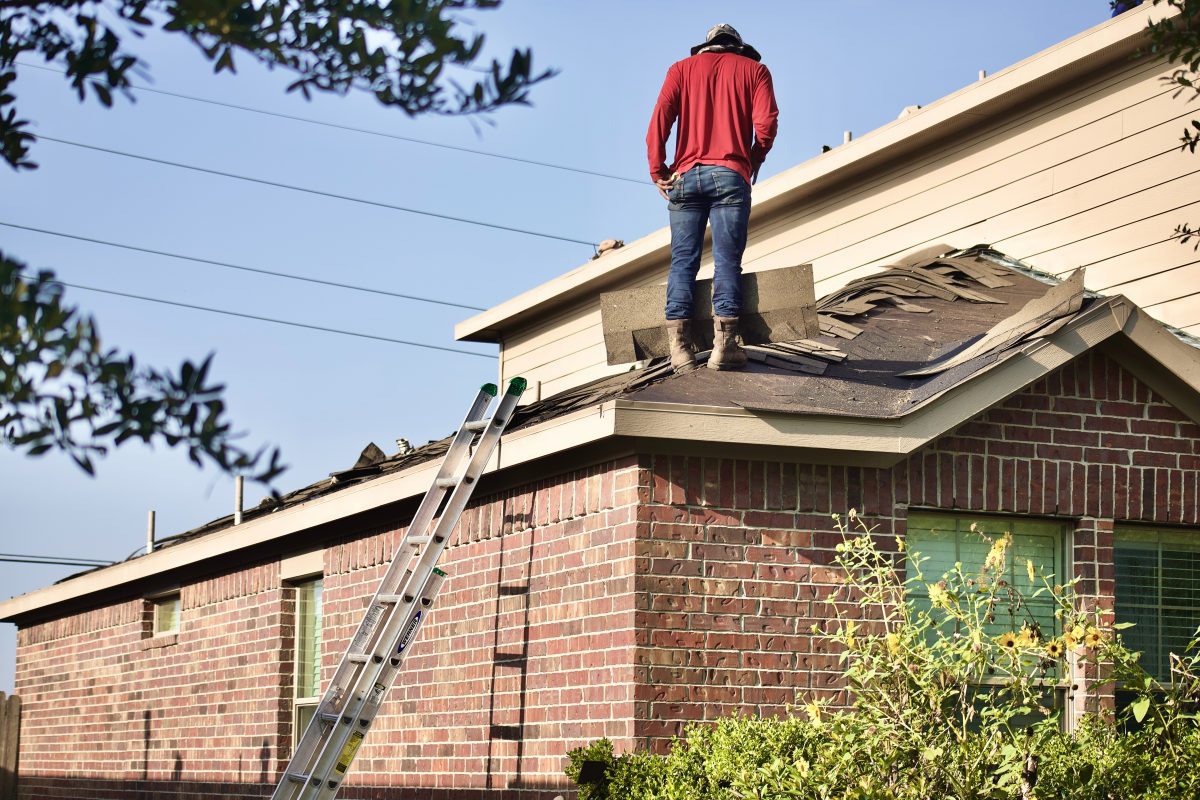
Installing a new roof is a significant investment in your home’s long-term protection and aesthetic appeal. It is crucial to approach the process with careful consideration and attention to detail. With a multitude of roofing materials, styles, and installation techniques available, homeowners must be well-informed before making any decisions. In this article, we will explore seven essential factors to keep in mind when installing a new roof, ensuring a successful and durable outcome for your home.
Material Selection: Choosing the Right Roofing Material
The choice of roofing material is one of the most critical decisions you’ll make when installing a new roof. Each material has its advantages and disadvantages, including durability, cost, and aesthetic appeal. Asphalt shingles are the most popular option due to their affordability and versatility. The standing seam metal roofing offers excellent longevity and is highly resistant to fire and extreme weather conditions. Clay or concrete tiles provide a timeless and elegant look but require a sturdy roof structure to support their weight. It is crucial to consider factors such as climate, budget, and architectural style when selecting the roofing material that best suits your needs.
Quality Installation: Hiring Professional Roofers
Even the highest-quality materials will fail if not installed correctly. Hiring professional roofers with a proven track record ensures the installation is done with precision and expertise. Look for licensed and insured contractors such as Maryland roofers and roofing contractors who specialize in the type of roofing material you have chosen. Don’t hesitate to ask for references and view their past projects. A reputable roofing contractor will provide a detailed written estimate, explain the installation process, and offer warranties on both materials and workmanship. Remember, a well-installed roof will not only provide peace of mind but also contribute to the overall value and curb appeal of your home.
Consider Long-Term Maintenance and Energy Efficiency
While the upfront cost of a new roof is important, it is equally crucial to consider long-term maintenance and energy efficiency. Some roofing materials require regular upkeep, such as periodic inspections and repairs, to ensure their longevity. Also, choosing energy-efficient roofing materials can help reduce heating and cooling costs over time. Options such as reflective coatings or “cool roofs” can minimize heat absorption and lower the strain on your HVAC system. Taking these factors into account during the installation process can lead to substantial savings and a more sustainable home in the long run.
Roofing Permits and Building Codes: Ensuring Compliance
Before embarking on a new roof installation, it is crucial to familiarize yourself with local building codes and regulations. Different areas may have specific requirements regarding the type of roofing material, installation methods, and even the color or appearance of the roof. Obtaining the necessary permits ensures that your roof installation is in compliance with local regulations and helps you avoid potential legal issues or fines. Consulting with a roofing professional or contacting your local building department can provide valuable guidance and ensure a smooth and hassle-free installation process. A reputable roofing contractor in Rockford states that understanding local building codes and obtaining the necessary permits is crucial before starting any roofing project. Proper planning and adherence to regulations help avoid potential fines and ensure a safe, high-quality installation.
Ventilation and Insulation: Creating an Optimal Roofing System
Proper ventilation and insulation are often overlooked aspects of roof installation, but they play a vital role in maintaining a healthy and energy-efficient home. Adequate ventilation allows air to circulate in the attic, preventing moisture buildup, mold growth, and premature deterioration of the roof. It also helps regulate indoor temperatures and reduce the strain on your HVAC system. Insulation, on the other hand, prevents heat loss during winter and heat gain during summer, improving energy efficiency and reducing utility costs. Ensure that your new roof installation includes appropriate ventilation and insulation measures to create a well-balanced and efficient roofing system.

Gutters and Drainage: Protecting Your Home’s Foundation
While installing a new roof, it is essential to consider the impact on your home’s drainage system. Gutters and downspouts play a crucial role in directing rainwater away from your home’s foundation, preventing water damage and potential structural issues. Ensure that your new roof installation includes proper gutter installation, with downspouts positioned strategically to channel water away from the foundation. Moreover, think about installing gutter guards to prevent debris buildup and clogging, which can lead to water overflow and damage. By addressing the drainage aspect during the roof installation process, you can protect your home’s foundation and avoid costly repairs down the line.
Consider Environmental Impact: Sustainable Roofing Options
Sustainable roofing options can help reduce your carbon footprint and promote a greener lifestyle. One popular choice is installing a green roof or living roof, which involves covering the roof surface with vegetation. Green roofs offer numerous benefits, including improved insulation, reduced energy consumption, stormwater management, and increased biodiversity. Another eco-friendly option is solar roofing, which utilizes solar panels to harness clean, renewable energy and reduce reliance on traditional power sources. By incorporating sustainable roofing options into your installation plans, you not only contribute to a healthier planet but also potentially qualify for tax incentives and lower energy bills in the long run.
When installing a new roof, it is essential to consider a wide range of factors beyond just the material and installation process. By keeping in mind these seven key elements – material selection, quality installation, long-term maintenance, roofing permits and building codes, ventilation and insulation, gutters and drainage, and environmental impact – homeowners can make informed decisions and ensure a successful roof installation. From choosing the right roofing material to incorporating sustainable options, every aspect contributes to the overall durability, functionality, and aesthetic appeal of your home. Take the time to research, consult with professionals, and prioritize these factors to make your new roof a worthy investment that will stand the test of time while minimizing environmental impact.
Read more: Why a Roof Can Be a Good Investment Before Selling Your Mississippi Home
Read more: 4 Signs Your Mississippi Home Needs a New Roof
Read more: Does Your Roof Need A Replacement? Here Are Some Useful Tips