The Evolution of Money Transfers: A Journey from Barter to Light-Speed Transactions
The grand canvas of human history depicts the evolution of money transfers as an interesting story. The journey from the primitive barter system to the digital wallet era is characterized by innovation, convenience, and speed. Let’s start this amazing journey, by revealing a few less-known facts and life hacks as well.
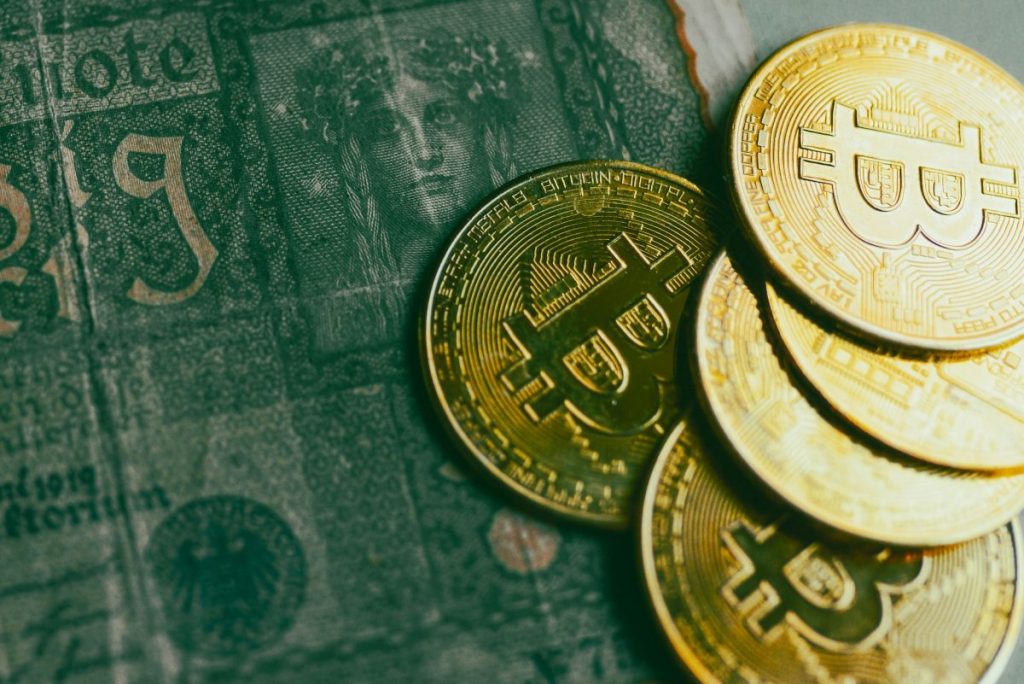
The Dawn of Exchange: Barter
The barter system in spite of being the earliest system of transaction had several challenges. Value was not a universally defined concept, which resulted in disputes and conflict. For example, the value of a cow to a farmer would differ from that to a potter, making trades between them difficult. The invention of money was a revolutionary answer to this problem. Assigning a standard value to coins or notes removed the necessity of bargaining and made the transaction more transparent.
Currency also provided opportunities for economic development to take place. It permitted wealth accumulation, credit expansion, and the rise of sophisticated financial systems. For instance, the idea of interest could be formulated only when a universal form of currency was set. This led us to more functionality such as banks, loans, etc. which are the core of today’s economy.
Coins and Paper Money
Coins encouraged commerce and culture. They allowed for the accumulation of wealth, the maintenance of armies, and the funding of public works. The invention of paper money in China, though, was a response to the problems of carrying around huge amounts of copper coins. The shift to a more mobile form of money was one of the crucial milestones that made transactions more time-effective and gave birth to modern banking systems. This shift towards digital payments also paved the way for innovative financial services, fostering a more inclusive and interconnected global economy such as the trade of Euro to PKR.
The Telegraph and the Emergence of Wire Transfers
Another big step in the 19th century was the invention of the telegraph. Consequently, this technology opened the door for wire transfers, making it possible to send money to Thailand online and over long distances in a fraction of a second. Western Union is now a household name when it comes to money transfers, but it was one of the pioneers in this field.
The Digital Revolution: Internet Banking and E-Wallets
The digital revolution not only made transactions more convenient but also opened up new possibilities for global commerce. It broke down geographical barriers, enabling individuals and businesses to send and receive money across borders with unprecedented ease. This shift towards digital payments also paved the way for innovative financial services, fostering a more inclusive and interconnected global economy. Services like RemitFinder help you compare various providers to find the best exchange rate to send money from USA to Philippines or anywhere else, making international transfers more accessible and cost-effective than ever before.
Life Hack: When you are making online transfers, make sure that the website is secure. A padlock symbol in the URL bar and ‘https’ at the beginning of the web address should be sought.
The Present and Future: Cryptocurrency and Instant Global Transfers
Nowadays we are on the threshold of a new era in money transfers. Cryptocurrencies such as Bitcoin assure decentralized, safe, and fast transactions. At the same time, Transferra and other services are changing the way business transactions happen internationally. Make euro transactions quickly eliminating the delays and high fees of the traditional banking system.
Life Hack: In case you are a business owner involved in frequent international transactions, consider services such as Transferra. They provide attractive rates and quick transactions, which may help you save time and money.
Conclusion
The story of money transfers is proof of human creativity and want of comfort. From barter to cryptocurrency, each progression takes us nearer to a world in which geographical limitations do not obstruct financial transactions. With innovation and technology pushing the bar, one can only dream about the future.
During this trip, keep in mind that though the medium of transaction has changed, the basic principles of safe and good transactions have remained the same. No matter if you are bartering goods, swapping coins, or transferring digital money, always focus on security and value. Indeed, a transaction is not about its form but about its result, which is a successful exchange that favors both sides.
Hence, when you make a transfer again, take a moment to admire the incredible history and technology behind all of this. And who knows? You could be a part of the next wave of the money transfer revolution.