How to Make Kratom Tea?
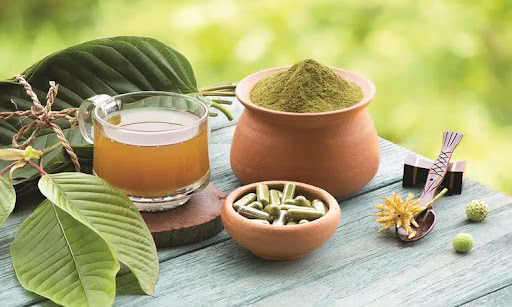
Have you ever asked yourself how to make kratom tea? Making kratom tea is popular for people looking to enjoy its calm and energy boost. But how do you make it right?
This article will show you the basic steps of making kratom tea. We will talk about choosing the best kratom and how long to brew it. It’s easy to learn, and soon, you can enjoy this special tea.
But there’s more to making natural kratom tea than just the simple steps. We’ll share special tips from tea experts. This is just the start of learning to make great kratom tea. Let’s find out more about making this tea the best way, with advice from those who know it well.
Tips for Making Kratom Tea
Making Kratom tea is a simple process that can significantly impact the tea’s effectiveness and taste. Whether you’re a seasoned enthusiast or a newcomer, these tips will help you brew a more enjoyable cup of Kratom tea.
1. Select the Right Kratom Strain
The first step in making an excellent cup of Kratom tea is selecting the right strain. Kratom comes in various strains, each with its unique effects. For example, Red Vein Kratom is often used for its calming properties, while White Vein Kratom may offer more energizing effects. Green Vein Kratom strikes a balance between the two, offering mild energy and relaxation. Consider what you want to achieve with your Kratom tea and choose a strain accordingly.
2. Measure Your Kratom Properly
Accuracy in measuring your Kratom powder can make a big difference. Typically, a standard dose ranges from 2 to 4 grams. If you’re new to Kratom, start with the lower end of this range to see how it affects you. You can always adjust the amount in future brews.
3. Use Hot, Not Boiling, Water
The temperature of the water is crucial for extracting the full range of Kratom’s benefits without destroying its delicate compounds. Boiling water can break down some of the alkaloids, making the tea less effective. Aim for hot water, around 190°F to 200°F, for the best results.
4. Enhance the Flavor
Kratom tea is known for its bitter taste, which might not be pleasant for everyone. Consider adding natural sweeteners like honey or agave syrup to mask the bitterness. Lemon juice not only adds flavor but may also aid in extracting the alkaloids, enhancing the tea’s potency.
5. Steep Properly
Allow your Kratom tea to steep for at least 15 to 20 minutes. This duration ensures that the water extracts as many alkaloids as possible from the powder. If you prefer a stronger tea, you can let it steep longer, but be mindful of the increasing bitterness.
6. Experiment with Additives
To further improve the taste and effects of your Kratom tea, don’t hesitate to experiment with additives. Cinnamon, ginger, or cardamom can add a pleasant spice that complements the tea’s natural flavors. Additionally, these spices can aid in digestion and enhance the overall experience.
How to Make Kratom Tea Stronger?
Enhancing the strength of your Kratom tea means increasing its potency, thereby amplifying its effects. Here are some tips to help you achieve a more potent brew:
Increase the Kratom Dosage
The most straightforward way to make your Kratom tea stronger is by adding more Kratom powder. If you typically use 2 grams, consider increasing to 3 or 4 grams. Be cautious with this approach, especially if you’re new to Kratom, as higher doses can lead to stronger effects and potential side effects. Always start low and go slow.
Use a Potentiator
Potentiators are substances that can enhance the effects of Kratom. Common potentiators include lemon juice and apple cider vinegar. Adding a few squeezes of lemon juice to your tea not only helps with the extraction of alkaloids but can also increase the potency. Similarly, a splash of apple cider vinegar can enhance the tea’s effects without altering the taste too much.
Steep Longer
Allowing your tea to steep for longer periods can also strengthen it. This ensures that more alkaloids are extracted from the Kratom powder. Try steeping your tea for 30 minutes to an hour. Remember, the longer you steep, the more bitter the taste may become, so you should add a sweetener.
Simmer, Don’t Boil
Simmering your Kratom tea on low heat for an extended period can increase its strength. This method allows for a thorough extraction of alkaloids. After it has reached the desired temperature, simmer your tea gently for 20 to 30 minutes. Be careful not to boil it, as high temperatures can destroy some of the alkaloids.
Experiment with Strains
Different strains of Kratom have varying levels of potency. If you want a stronger effect, experiment with more potent strains. For instance, Maeng Da is known for its high potency and might provide the stronger effects you’re looking for.
What Are the Benefits of Kratom Tea?
Today, it’s known by many for its various potential benefits, which are attributed to the alkaloids present in the leaves, primarily mitragynine and 7-hydroxymitragynine. Here are some of the notable benefits associated with drinking Kratom tea:
Pain Relief
One of the most sought-after benefits of Kratom tea is its ability to alleviate pain. The alkaloids in Kratom can act on the body’s opioid receptors, providing relief from both chronic and acute pain, making it a natural alternative for those who wish to avoid prescription painkillers.
Mood Enhancement
Kratom tea is known to have mood-lifting properties. Users often report feelings of euphoria and an improved state of mind after consuming the tea. It can help combat symptoms of anxiety and depression, contributing to an overall sense of well-being.
Increased Energy
Low doses of Kratom tea can have a stimulating effect, similar to that of coffee, but without the jitters. This makes it a popular choice for individuals seeking a natural boost in energy and concentration, helping to enhance productivity and focus.
Improved Sleep
While low doses are stimulating, higher doses of Kratom tea can have a sedative effect. This can be beneficial for individuals suffering from insomnia or disrupted sleep patterns, as it can help to induce a more restful night’s sleep.
Opiate Withdrawal Relief
Kratom tea has been used as a natural remedy for opiate withdrawal symptoms thanks to its opioid-like effects. It can help alleviate withdrawal symptoms such as nausea, vomiting, pain, and anxiety, making the process more manageable.
Enhanced Digestion
Kratom can also aid in digestion, potentially helping to relieve constipation and promote more regular bowel movements. This can be particularly beneficial for those with digestive issues.
How Much Kratom Should You Take?
Determining the right amount of Kratom to take can be a bit of a personal journey, largely because its effects vary depending on the dose, the user, and the specific strain used. However, there are general guidelines that can help you find a starting point and adjust based on your experiences.
For those new to Kratom, it’s advisable to begin with a low dose. This typically means starting with about 1 to 2 grams. At this level, Kratom tends to produce mild stimulating effects, which can be a good introduction to its properties without overwhelming the user. It’s crucial to gauge your body’s reaction to this initial dose, as sensitivity to Kratom can vary significantly from person to person.
If you’re seeking more pronounced effects, such as increased energy or focus, a moderate dose of 3 to 5 grams may be more appropriate. This range is often reported to strike a balance between stimulation and the plant’s more relaxing, analgesic properties.
Users looking for pain relief or relaxation might explore doses in this range, but it’s wise to approach the higher end with caution, especially if you’re less experienced.
People who want the sedative and pain-relieving effects of Kratom may prefer a dose that ranges from 5 to 8 grams of it. This dosage is intended as a guide for people familiar with the use and needs. It can lead to effects like strong pain relief and deep relaxation. But on the other hand, they can also increase the risk of facing adverse effects like nausea and dizziness.
It’s essential to remember that various factors, including body weight, metabolic rate, and individual tolerance, influence Kratom’s effects. Thus, what works for one person may not be suitable for another. Incremental adjustments and careful observation of your body’s responses are key to finding the optimal dose for your needs.
Finally, it’s important to approach Kratom use with caution and respect due to its potent nature. Avoid taking it daily to prevent building a tolerance, and always ensure that you’re using Kratom responsibly and within the bounds of the law in your area.
How to Make Kratom Tea from Fresh Leaves?
Making Kratom tea from fresh leaves is a traditional method that allows you to enjoy the plant’s natural properties. If you have access to fresh Kratom leaves, here’s how you can brew a potent and aromatic cup of Kratom tea.
Gather Your Ingredients and Tools
You will need fresh Kratom leaves, water, a pot for boiling, a strainer, and any additional herbs or sweeteners you prefer to enhance the flavor.
Prepare the Leaves
Rinse the fresh Kratom leaves under cold running water to remove any dirt or debris. If you prefer a stronger tea, you can increase the number of leaves. For a standard cup, a handful of fresh leaves should suffice.
Boil the Water
Bring your desired amount of water to a gentle boil in a pot. The amount of water depends on how many cups of tea you want to make.
Add the Kratom Leaves
Once the water is boiling, reduce the heat to a simmer and add the fresh Kratom leaves. Allow the leaves to simmer for about 20 minutes. This slow simmering process helps extract the alkaloids from the leaves, ensuring a potent brew.
Strain the Tea
After simmering, remove the pot from heat. Use a strainer to separate the leaves from the liquid. Pour the tea into a cup or teapot, discarding the used leaves.
Flavor as Desired
Kratom tea has a naturally earthy and somewhat bitter taste. To improve its flavor, consider adding honey, sugar, lemon, or mint to your tea. These additions can mask the bitterness and make the tea more enjoyable to drink.
Enjoy
Once your tea is flavored to your liking, it’s ready to enjoy. Drinking Kratom tea made from fresh leaves offers a unique experience compared to powdered forms, providing a more direct connection to the natural essence of the Kratom plant.
Which Types of Kratom is Best for Making Kratom Tea?
When it comes to making Kratom tea, the choice of strain can significantly influence the flavor and the effects of the tea. Kratom strains are typically classified by their leaf vein colors: red, green, and white. Each type offers different benefits and experiences, making some strains more suited for tea than others, depending on the desired effects. Here’s a look at which types of Kratom are best for making Kratom tea:
Red Vein Kratom
The leaf tea infusion from the red vein strain is believed to calm down arousal and enhance the quality of sleep. People usually prefer them for evening or night use either to help head off to bed and fall asleep quickly or to unwind after a long day at work. The red vein Kratom tea, you can find relief from pain and stay relaxed, and it therefore a good choice for those who look for the relief of discomfort or stress. Known as enthusiastic, popular red vein strains of tea such as Red Bali and Red Borneo can be found in Red Bali and Red Borneo which both provides a peaceful experience.
Green Vein Kratom
Green vein kratom exhibits a middle ground between centering and sedating effect of white and subtle sedative effect of red vein types. It has known for qualifying to stimulate, alleviate stress, and give short relieve. Green colour vein strains such as Green Malay and Green Maeng Da are boundlessly multi-purpose, refreshing for drinking tea with little connection to sedation that will make you sleepy, on the other hand, they’re great for relaxing slowly without being completely drowsed.
White Vein Kratom
It is the white vein Kratom that is highly demanded among users because of its ideal mood-enhancing and stimulant effect. It is excellent for those to whom alertness, concentration, and stamina over the day are the main priority. The kinds of Green Leaf that can perfectly replace your morning tea are White Borneo and Whte Thai. The thing about them is that they can give you a caffeine-like energy without the jittery feeling.
Specialty Blends
Apart from the classic vein colors, there are also specialty blends and fermented strains like Yellow and Gold Kratom. These are made by drying red, green, or white strains in specific ways to achieve unique effects. Such strains can offer a nuanced tea experience, blending the qualities of different vein colors.
Frequently Asked Questions
How to Make Kratom Tea Taste Great?
To improve Kratom tea’s taste, add honey, lemon, or ginger. These can mask its natural bitterness. Experiment with flavors to find what best suits your palate for a more enjoyable tea.
Is Kratom Tea Safe to Drink on an Empty Stomach?
Drinking Kratom tea on an empty stomach can lead to quicker, more intense effects. However, it might cause nausea or discomfort for some. It’s best to start with a small amount to see how you react.
How Long Does Kratom Tea Last?
Kratom effects can last about 4-6 hours, depending on the dose and strain. The tea itself can be stored in the refrigerator for up to 5 days without losing much potency.
Is Kratom Legal?
Kratom’s legality varies by country and, within the US, by state. It’s legal in some places but banned or regulated in others. Always check local laws before purchasing or consuming Kratom.
Is Kratom Tea Safe to Consume?
Kratom tea can be safe when consumed responsibly. Start with low doses and be mindful of how your body reacts. Avoid daily use to prevent tolerance build-up and potential dependency.
Conclusion
This article has guided you through the essentials of making Kratom tea, emphasizing the importance of selecting the right strain, adjusting dosages for desired effects, and exploring brewing techniques for a potent and enjoyable cup. We covered enhancing the tea’s strength, the benefits of Kratom, and the ideal strains for different preferences.
Making Kratom tea from fresh leaves for an authentic taste and understanding the effects of various strains ensures a comprehensive experience. The journey into Kratom tea is enriched by experimentation and personalization, catering to needs such as relaxation, energy, and mood enhancement.
For further exploration and quality Kratom products, consider visiting reputable brands’ websites, inviting you to deepen your understanding and enjoyment of Kratom tea.