6 Signs You Should Consider Therapy for Your Mental Health
Are you feeling overwhelmed, anxious, or constantly stressed? Recognizing when it’s time to seek help is crucial for maintaining your mental well-being. Therapy can be a transformative step towards a healthier mind and a more balanced life, helping to restore mental health and improve overall emotional stability. Here are some signs that indicate you might benefit from professional mental health support.
Persistent Feelings of Sadness or Hopelessness
Persistent feelings of sadness or hopelessness can profoundly impact daily life, affecting one’s ability to function at work, maintain relationships, and enjoy activities. These emotions may signal underlying issues such as depression or chronic anxiety, which, if left unaddressed, can escalate into more severe mental health problems. Therapy offers a safe space to explore these feelings, understand their root causes, and develop coping strategies.

A professional can provide guidance and support, helping to break the cycle of negative thought patterns and fostering a path towards recovery. Seeking therapy from a mental health service when experiencing prolonged sadness or hopelessness is a proactive step towards regaining emotional balance and improving overall quality of life. Taking this step can prevent further deterioration of mental health and offer a renewed sense of hope and purpose.
Excessive Anxiety or Worry
Excessive anxiety or worry can be debilitating, interfering with daily functioning and overall well-being. When anxiety becomes overwhelming, it can lead to constant fear, restlessness, and physical symptoms like increased heart rate or insomnia. This level of anxiety often indicates an anxiety disorder, which can significantly reduce one’s quality of life. Persistent worry may also cause avoidance of certain situations, impacting work, social interactions, and personal relationships.
Therapy provides an environment to identify the triggers and underlying causes of anxiety. Professional guidance helps individuals develop effective coping mechanisms, relaxation techniques, and cognitive-behavioral strategies to manage anxious thoughts. Addressing these issues early through therapy can prevent them from escalating and offer a path toward a calmer and more controlled life. Seeking therapy for excessive anxiety is essential for achieving mental peace and emotional resilience.
Difficulty Managing Daily Activities
The strains that come with mental health issues often leave people unable to handle their day-to-day lives. They struggle to do even the simplest of tasks because of the constant weight of their emotions. Some of these are as follows:
- Personal hygiene
- Household chores
- Meal prep and eating
- Work or school responsibilities
- Social interactions
- Exercise and physical activity
- Managing finances
- Self-care activities
- Maintaining a routine
- Seeking help or treatment
This indicates an underlying issue impacting your life. Therapy helps identify these challenges, provides coping strategies, and fosters a sense of control, enabling you to regain functionality and improve your overall quality of life. Seeking help is a crucial step toward recovery.
Individuals living near the Chesapeake Bay are often seeking personalized psychiatric care in Virginia Beach that will address their specific emotional hurdles within a structured, confidential environment. Working directly with trained mental health professionals allows patients to explore targeted therapeutic interventions that promote long-term psychological resilience.
Substance Abuse or Unhealthy Coping Mechanisms
Substance abuse or unhealthy coping mechanisms, such as excessive drinking, drug use, or binge eating, often signify that someone is struggling to manage their mental health. These behaviors might provide temporary relief but ultimately worsen the underlying issues and lead to further complications. Resorting to such coping mechanisms can indicate the presence of deeper emotional pain, stress, or unresolved trauma.
Therapy offers a structured and supportive environment to explore these underlying issues and develop healthier coping strategies. Through professional guidance, individuals can learn to address the root causes of their behavior, build resilience, and create sustainable habits that enhance well-being.
Changes in Sleep or Appetite
These shifts often reflect underlying emotional distress or mental health disorders such as anxiety, depression, or stress. Difficulty sleeping, insomnia, or excessive sleeping disrupts the body’s natural rhythm, affecting overall health and daily functioning. Similarly, unexplained weight loss or gain from appetite changes can lead to physical health issues and exacerbate mental health concerns.
Therapy can help identify the root causes of these disturbances, offering strategies to restore healthy sleep and eating patterns. Addressing these signs early with professional support is essential to prevent long-term physical and mental health consequences and improve quality of life.
Experiencing Trauma or Grief
Trauma or grief can deeply affect an individual’s emotional and psychological well-being, often leading to symptoms like prolonged sadness, anger, guilt, or feelings of numbness. These intense emotions can disrupt daily life, making it difficult to engage in regular activities or maintain relationships. Therapy is crucial as it provides a safe space to process these challenging experiences, helping individuals understand their emotions and develop healthy coping mechanisms.
Professional guidance can aid in navigating the complexities of grief and trauma, fostering resilience, and promoting emotional healing. Seeking therapy for trauma or grief is a proactive step toward restoring mental balance, preventing long-term emotional disturbances, and enhancing overall well-being. Addressing these issues early on ensures that individuals receive the support needed to move forward and rebuild their lives.
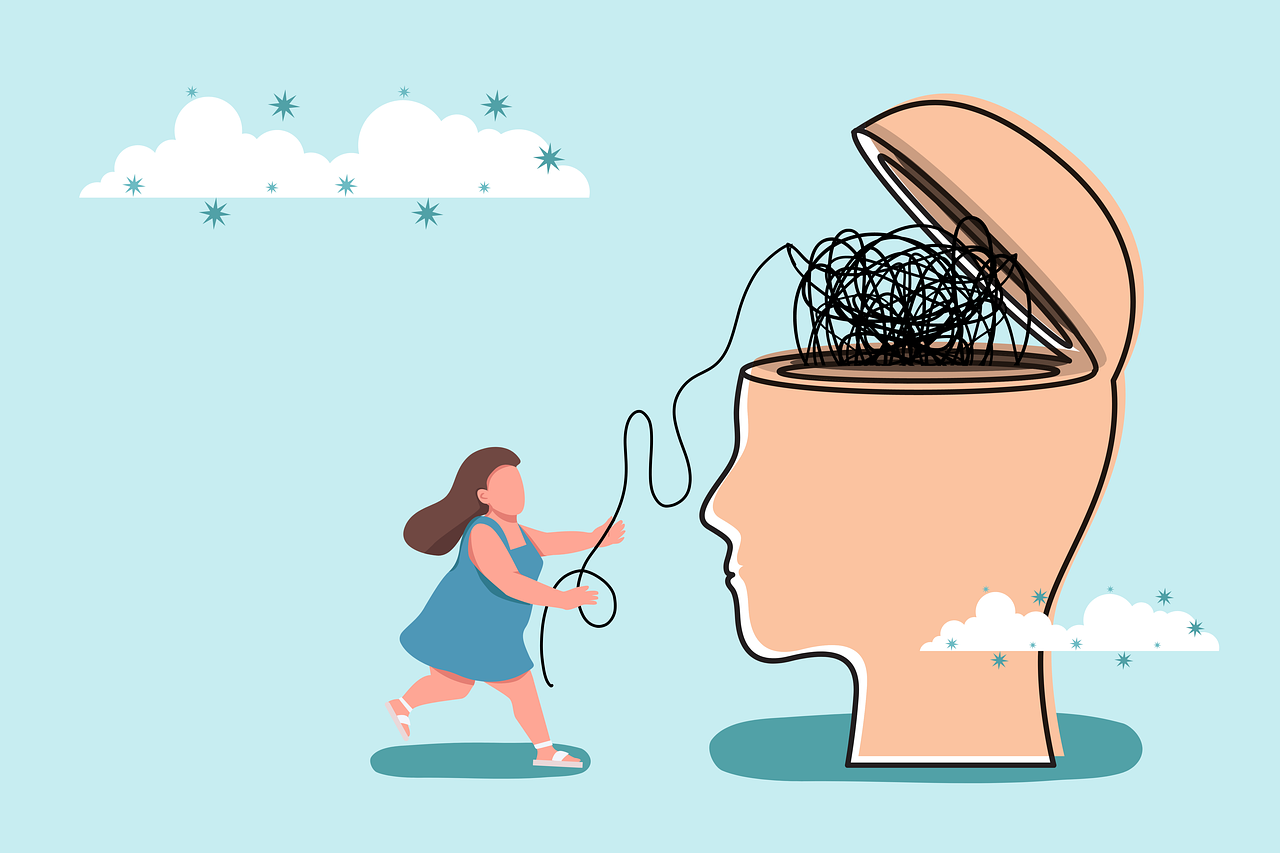
Recognizing these signs in yourself is a brave first step towards prioritizing your mental health. Don’t hesitate to seek professional help when needed. Therapy can provide the support and tools you need to navigate life’s challenges, fostering resilience and well-being. Remember, taking care of your mental health is essential to leading a fulfilling and balanced life.