How to Shoot Professional-Quality Videos for Film Production
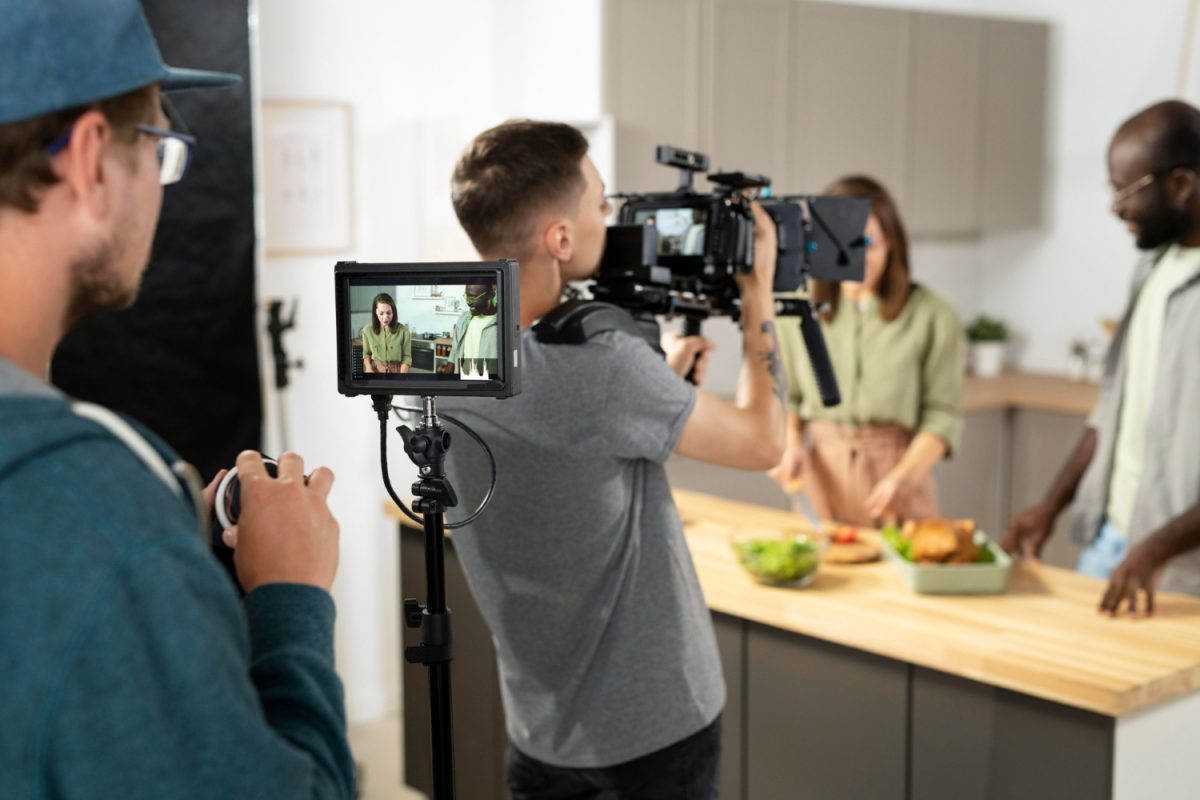
Making professional-quality videos for movies is a mix of art and science that needs both imagination and technical know-how. No matter how experienced you are as a director or if you’re just starting, knowing the basics of how to make high-quality videos can help your work. This article will talk about important tips and tricks that will help you make great films.
1. Pre-Production Planning
Storyboarding and Scriptwriting
It’s important to plan carefully before you even touch a camera. Make sure you have a good script and a thorough storyboard to begin with. The script tells you what to say, what will happen, and how fast things will move. You can plan your camera angles, moves, and lighting with the help of a storyboard, which shows how each scene will look shot by shot.
Location Scouting
Picking the right place is very important for setting the tone and mood of your movie. Check out possible sites in person to see if they’re a good fit. Pay attention to lighting, noise, and practical issues like power outlets and equipment storage. For any location-specific problems, you should plan and get the required permits or hire a company like Lumina Vision to help with securing filming locations.
Equipment Preparation
Before the shoot, make sure that all of your gear is in great shape. Things like cameras, lenses, tripods, mics, and lighting gear are included. Make sure all of your batteries are charged and that you have extras on hand. Also, make sure you have all of the tools you need, like memory cards, cables, and filters.
2. Mastering the Camera
Choosing the Right Camera
The quality of your movie depends a lot on the type of camera you use. Even though high-end cinema cameras have the best quality, they might not be right for every job. DSLRs and mirrorless cameras can take great pictures and are easier for smaller companies to get. When choosing a camera, think about your budget, the needs of the job, and the look you want.
Understanding Camera Settings
Learn how to use your camera’s settings, such as the ISO, frame rate, and sharpness. Professional projects should be shot in 4K or better resolution because it gives more detail and more options in post-production. Most films have frame rates of 24 or 30 frames per second (fps). For slow-motion effects, higher frame rates like 60 fps can be used.
3. Lighting Techniques
Natural vs. Artificial Lighting
For professional-quality film, lighting that works well is essential. Natural light can be beautiful and cheap, but it can also be unexpected. For the best natural light, shoot during the golden hours, which are right after sunrise and before dusk.
With artificial lighting, you have more control and stability. To add depth and perspective, use three points of light: a key light, a fill light, and a backlight.
Light Modifiers and Accessories
Light modifiers like softboxes, diffusers, and reflectors can help you shape and smooth your light. With gels and filters, you can change the color temperature to set the mood you want. Buy good lighting stands and mounts so you can move and secure your lights easily.
4. Sound Recording
Importance of High-Quality Audio
A movie that looks professional can be ruined by bad sound. Buy good microphones, like Lavalier mics for talking, shotgun mics for a sound that comes from one direction, and boom mics for a sound that comes from a bigger area. If you want better sound and more options, use external audio recorders.
Soundproofing and Ambient Noise Control
When you can, try to shoot in controlled settings. Using acoustic wall foam and other soundproofing methods, like mass loaded vinyl, can help lower noise levels significantly by blocking external sound and improving acoustic control in your recording space. Pay attention to how loud it is where you’re shooting and make plans based on that. Use software that cuts down on noise to clean up your audio tracks while you’re editing.
5. Camera Movement and Composition
Stabilization Techniques
Shaky videos can be annoying and not professional. To keep your shots steady, use tripods, sliders, and gimbals. Shots from a distance can work, but you need to practice and keep your hand straight. Smooth camera moves will add movement without affecting stability.
Framing and Composition
Follow simple design rules, like the rule of thirds, to make shots that look good. To keep your images interesting, try using different angles and points of view. You can use depth of field to draw attention to your subject and soften the background at the same time.
6. Post-Production Essentials
Editing Software
Pick out editing software that meets your wants and fits your budget. A lot of people like Adobe Premiere Pro, Final Cut Pro, and DaVinci Resolve because they have a lot of strong editing, color grading, and special effects tools.
Color Correction and Grading
Color grading gives your footage a certain look or feel, while color correction makes sure that the colors are all the same. To make your movie look better, learn how to use color wheels, curves, and LUTs (lookup tables). Use the same colors throughout your movie to make its tone and style stand out.
Sound Design and Mixing
Good sound design makes watching more enjoyable. To go with your images, add background sounds, effects, and music. Make sure the conversation is clear and that the background sounds and music are at the right volume. Equalization and compression can help you make your audio tracks sound better.
7. Continuous Learning and Improvement
Analyzing Professional Films
Check out videos directed and shot by well-known artists to learn about their methods and styles. Look at how they use movement, lighting, and camera settings to tell a story. Learning from the best can help you with your projects by giving you ideas and motivation.
Practicing and Experimenting
Things will get better as you do them more. To improve your skills, try out different methods, styles, and themes. Take part in film projects and work with other filmmakers to get feedback and a wide range of experiences.
The Art and Science of Filmmaking
To make professional-quality videos for film production, you need both technical know-how and creative ideas. But if you want experts to handle your visual needs, check out KAS Creations. Their full-service film and video production can bring life to your imagination.
Read more: 10 Animation Tips to Improve Teaching Quality and Efficiency
Read more: 10 Essential Tips for Perfecting Your Photography & Cinematic Skills
Read more: Strategies to Improve Your Photography Skills