How Water Damage Restoration Services Handle Contaminated Water Scenarios?
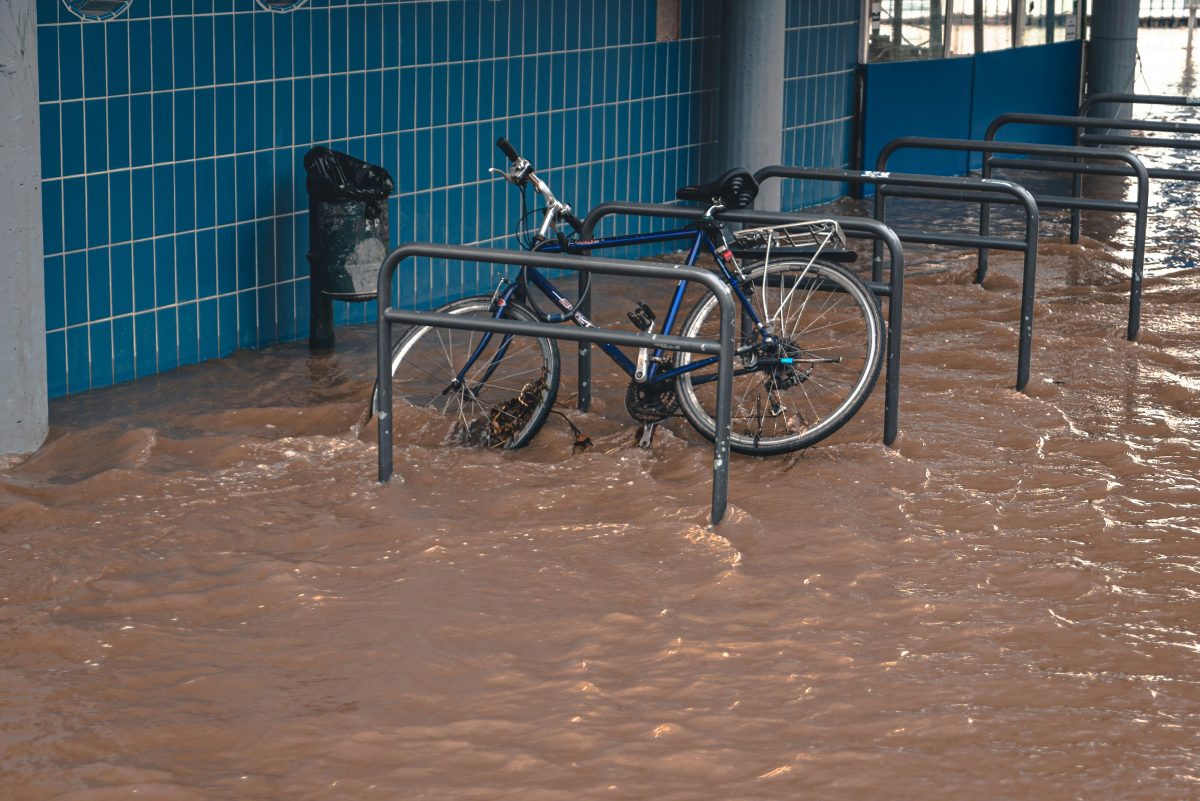
Water damage is one of the most common and destructive problems that homeowners can face. When water intrudes into a property, it can lead to severe structural damage, promote mold growth, and compromise the environment’s safety. The situation becomes even more challenging when contaminated water contains harmful pathogens or hazardous chemicals. Contaminated water can pose serious health risks, making the restoration process complex and requiring specialized handling. We will explore the procedures and protocols that comprehensive water damage restoration services in Vancouver follow when dealing with contaminated water scenarios, ensuring the safety of both occupants and workers.
Categorization of Contaminated Water
Before any water damage restoration can begin, professionals must assess and categorize the type of water present. Contaminated water is generally classified into three categories: Category 1 (Clean Water), Category 2 (Gray Water), and Category 3 (Black Water). Category 1 involves clean water from sources like broken pipes or overflowing sinks. While it poses no immediate health risk, if left untreated, it can deteriorate into Category 2 or 3. Category 2, gray water, contains some contaminants and may cause illness if ingested. It often originates from washing machines, dishwashers, or toilet overflows without solid waste. The most hazardous is Category 3, or black water, which is highly contaminated and can cause severe illness or death upon exposure. Black water includes sewage, floodwaters, or any water in contact with toxic substances. Proper identification and categorization are crucial as they dictate the level of protective gear required, the extent of decontamination needed, and the overall restoration strategy.
Safety Precautions and Equipment
Handling contaminated water requires stringent safety protocols to protect the restoration crew and the building’s occupants. Personal protective equipment (PPE) is mandatory for anyone working in the affected area. This includes waterproof gloves, full-body suits, eye protection, and respirators. Proper PPE helps prevent direct contact with contaminants and reduces the risk of inhaling harmful airborne particles in severe cases, such as Category 3 water scenarios, where there is a high risk of exposure to hazardous microorganisms or chemicals; more advanced respiratory protection may be necessary, such as powered air-purifying respirators (papr respirator).
Additionally, the area must be isolated from unaffected parts of the building to prevent cross-contamination. This is typically done using plastic sheeting, negative air pressure machines, and decontamination chambers. These safety measures are critical in ensuring the contamination is contained and does not spread to other parts of the property.
Extraction and Containment
Once safety measures are in place, the next step in dealing with contaminated water is to remove it from the premises as quickly as possible. Rapid water extraction is crucial to minimize further damage and prevent the spread of contaminants. Industrial-grade pumps and vacuums are often used to efficiently remove large volumes of water. In black water cases, special care must be taken to dispose of the contaminated water by local and federal regulations, as improper disposal can lead to environmental hazards. After the initial extraction, the affected area is usually treated with antimicrobial solutions to kill any remaining pathogens. Containment of the contaminated area is maintained throughout this process to ensure no harmful particles escape into the air or surrounding spaces. The goal during this phase is not only to remove the contaminated water but also to eliminate any lingering health risks by thoroughly sanitizing the area.
Drying and Dehumidification
After contaminated water has been removed, the drying process begins. This step is vital in preventing secondary damage, such as mold growth or structural degradation. High-capacity dehumidifiers, air movers, and heaters are typically employed to reduce building materials and air moisture levels. Ensuring that all affected areas are thoroughly dried for contaminated water scenarios is essential because any remaining moisture can harbor bacteria, viruses, and mold. Moisture meters and thermal imaging cameras are often used to monitor the drying progress and detect hidden moisture pockets in walls, floors, or ceilings. In some cases, removing and disposing of building materials that cannot be adequately dried or decontaminated, such as drywall or carpeting, may be necessary. The drying phase can be time-consuming, but it is essential for restoring the property to a safe and habitable condition.
Decontamination and Sanitization
Decontamination is a critical step in the restoration process, especially when dealing with gray or black water. This involves thoroughly cleaning and disinfecting all affected surfaces to eliminate any remaining pathogens or harmful chemicals. Specialized cleaning agents, such as biocides or antimicrobial treatments, ensure the area is completely sanitized. This step often includes cleaning air ducts, HVAC systems, and any other areas where contaminants may have spread. In some instances, items within the affected area, such as furniture, personal belongings, or appliances, may need to be removed and cleaned off-site or discarded. The decontamination process is comprehensive, targeting visible contamination and invisible threats that could pose a health risk to future occupants. Ensuring all surfaces and materials are decontaminated prevents future health issues or recurring contamination.
Water damage restoration, particularly in contaminated water scenarios, is a complex and multifaceted process that requires careful planning and execution. From the initial assessment and categorization of water to the final stages of structural repair, every step is critical to ensuring that the property is restored to a safe and livable condition. We explored how safety precautions, proper equipment, rapid extraction, and thorough decontamination are integral to this process. The expertise and diligence of water damage restoration professionals are essential in handling these hazardous situations effectively, ultimately protecting the health and well-being of both the occupants and the environment.