The Recovery Process After Getting a Dental Crown
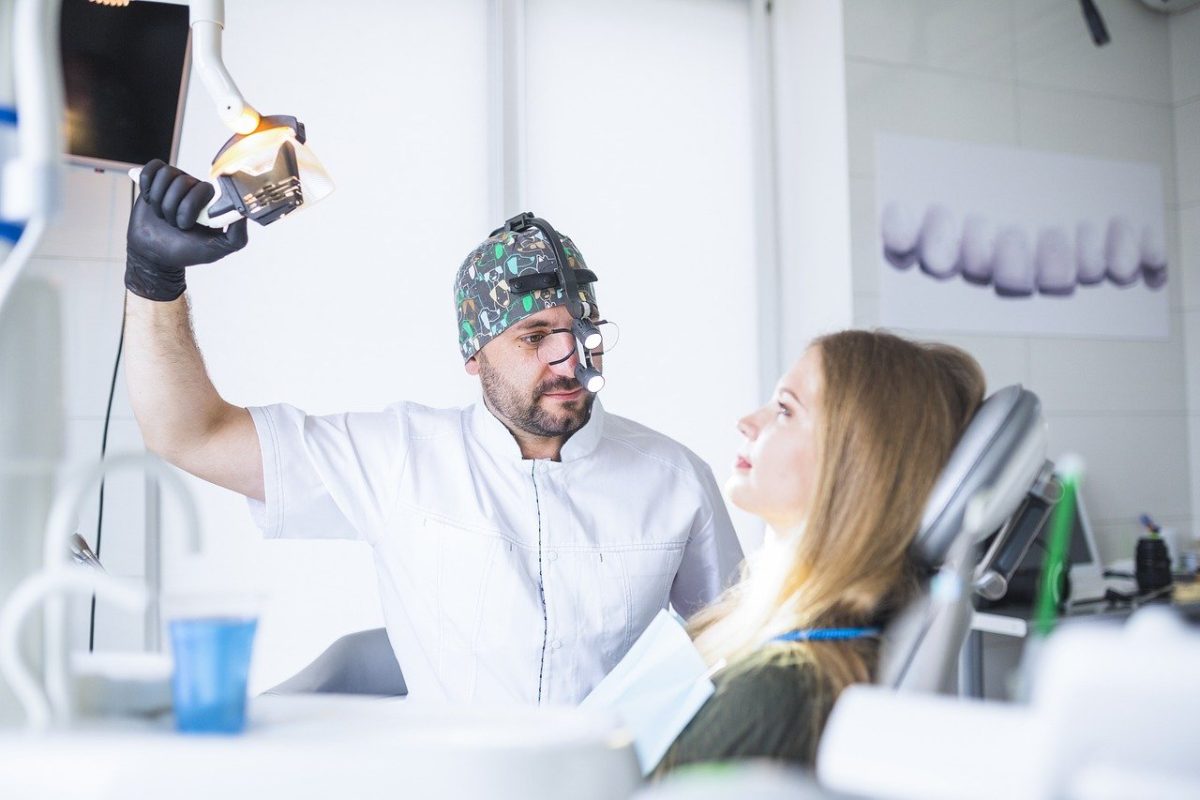
A dental crown is a common procedure designed to restore the functionality and appearance of a damaged tooth. Whether the crown was placed to protect a weakened tooth or to cover a dental implant, the recovery process is an important phase that requires attention to ensure optimal results. We will explore the key aspects of recovery following the placement of a dental crown, including immediate care, managing discomfort, and long-term maintenance.
Immediate Post-Procedure Care
After receiving crowns for teeth, immediate post-procedure care is crucial for a smooth recovery. Once the crown is in place, it is expected to experience some sensitivity or discomfort as the anesthesia wears off. This sensation typically subsides within a few hours, but over-the-counter pain relief medication can be used to manage the pain if discomfort persists. It is advisable to avoid chewing hard or sticky foods for the first 24 hours to prevent any damage to the newly placed crown. Maintaining good oral hygiene is essential; however, being gentle around the crown area is vital to avoid causing any damage. Regular brushing and flossing should continue as usual, focusing on preventing the crown area to ensure proper healing.
Managing Discomfort and Sensitivity
Experiencing some level of discomfort and sensitivity following the placement of a dental crown is normal. Sensitivity to temperature changes or pressure can occur as your tooth adjusts to the new crown. This discomfort usually diminishes over time. If you find that sensitivity persists or worsens, it is essential to contact your dentist, as it may indicate that the crown needs adjustment or that there may be an underlying issue. To alleviate discomfort, you may use desensitizing toothpaste recommended by your dentist, which can help reduce sensitivity over time. In addition, avoiding extremely hot or cold foods and beverages can minimize discomfort. If the pain becomes severe or is accompanied by swelling, it is important to seek dental care promptly to address any complications.
Follow-Up Appointments
Follow-up appointments are integral to the recovery process after receiving a dental crown. These appointments allow your dentist to monitor the fit and function of the crown, ensuring that it aligns correctly with your bite and does not cause any issues with adjacent teeth. During these visits, your dentist can make necessary adjustments to improve comfort and function. It is also an opportunity for your dentist to check for any signs of complications, such as infection or improper fit. Adhering to the scheduled follow-up visits is essential for ensuring the crown’s long-term success and addressing any concerns that may arise.
Long-Term Maintenance
Maintaining the longevity of your dental crown requires proper care and maintenance. Regular dental check-ups are vital to monitor the condition of the crown and surrounding teeth. It is important to continue practicing good oral hygiene by brushing twice daily and flossing daily to prevent plaque buildup and gum disease. Additionally, fluoride toothpaste can help protect the natural tooth structure under the crown. Avoiding habits such as grinding or using your teeth as tools can prevent damage to the crown. If you experience any changes in the fit or appearance of the crown, contact your dentist promptly to address any issues before they become more serious.
In addition to regular check-ups and daily oral hygiene, it’s essential to be aware of any early signs of wear on your dental crown. According to this dentist who does dental crowns in Raleigh NC, these can include unusual sensitivity, discomfort when biting, or changes in the fit of the crown. Addressing these issues promptly can prevent further damage to both the crown and the underlying tooth. Keeping an eye on your crown’s condition and contacting your dentist if something feels off ensures it remains functional and durable for years to come.
Dietary Considerations
Dietary considerations play a significant role in recovering after getting a dental crown. For the first few days following the procedure, it is advisable to stick to soft foods that are easy on the newly placed crown. Foods such as yogurt, mashed potatoes, and soups are ideal as they do not exert excessive pressure on the crown. Gradually reintroduce firmer foods into your diet as you become more comfortable. It is also important to avoid sticky or hard foods that could damage the crown or cause it to come loose. Paying attention to the texture and temperature of your food can help prevent unnecessary stress on the crown during the healing phase.
Potential Complications
While complications are relatively rare, it is essential to be aware of potential issues that may arise following the placement of a dental crown. These may include crown loosening, infection, or problems with the bite. If you experience persistent pain, swelling, or difficulty chewing, it is essential to seek dental attention promptly. Proper care and attention to your oral hygiene can significantly reduce the risk of complications. Your dentist will guide you on handling any problems that may occur and ensure that your crown remains in optimal condition throughout its lifespan.
After getting a dental crown, recovery involves several vital steps to ensure the procedure’s success and longevity. Immediate post-procedure care, managing discomfort, attending follow-up appointments, and maintaining good oral hygiene are all crucial for a smooth recovery. Adhering to these guidelines and making informed dietary choices can help ensure that your dental crown remains practical and functional for years. If issues or concerns arise, seeking timely dental care can address potential problems and contribute to a successful outcome.