Why Social Media Advertising is the Future of College Marketing?
Since the early 2000s, social media advertising has changed the way organizations do business. Colleges and universities use social media channels to reach out to a larger potential student audience. This is different from traditional marketing where schools use physical ads and radio.
Social media is more effective today because most young people spend more time on these channels. These platforms are growing in follower base and use. They are viable solutions for today and future marketing for schools.
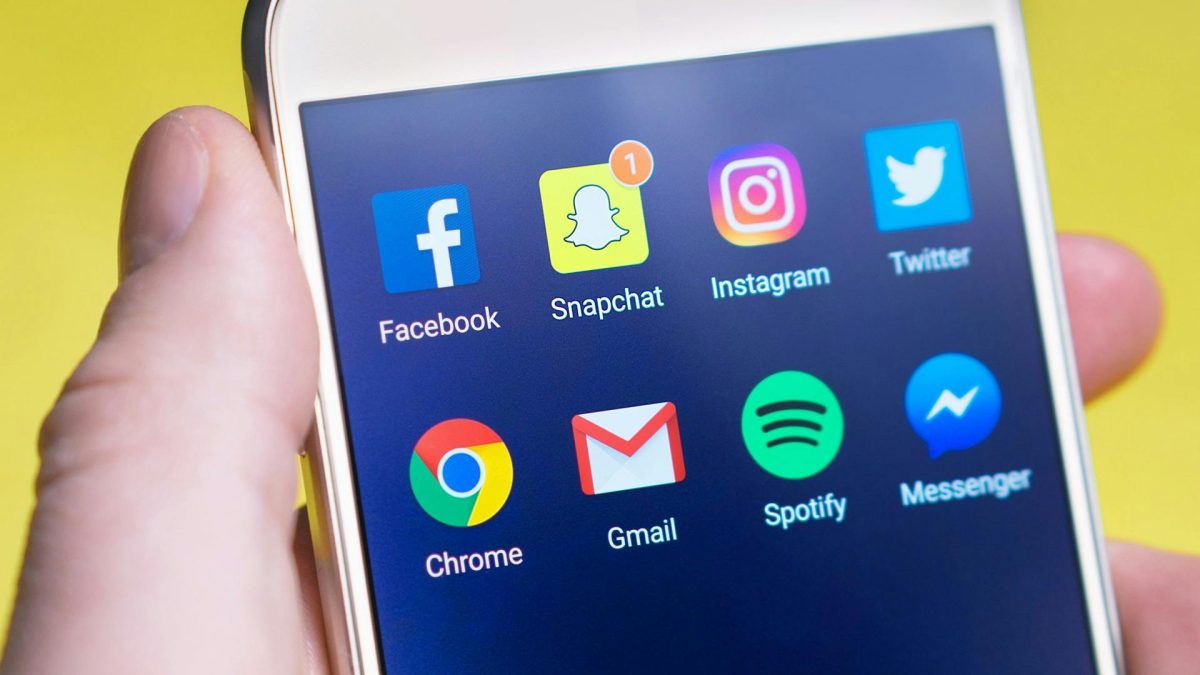
How did social media marketing for colleges start?
Colleges began to use social media platforms as marketing tools in the 2000s. During this time, channels like Facebook were building a strong user base. Smartphones were also gaining popularity and more young people were learning technology. They began spending more time on digital gadgets than traditional media.
Social media advertising has changed the way colleges do marketing. These platforms boost engagement and allow dynamic ad creation and posting. Social media provides schools with specific targeting options. They are useful for reaching students in need of academic support from online professionals. Various education allied services including online book writers, course tutors, essay writers, the best example here would be EduBirdie, and more, use these same methods to reach their audiences. To find EduBirdie, you can simply type in the search “write my essays online” and see offers from the service’s top writers. Students can promptly receive targeted ads on channels like Instagram or TikTok. These are platforms where many of their peers spend a lot of time. They can receive education support such as help with schoolwork. This helps schools remain competitive in an evolving digital environment. They ensure that services like essay writers are not only available but also readily accessible.
It was this change that drove colleges to start posting lesson and coursework updates on social channels. They soon realized they were potential platforms for attracting applications. Schools began posting ads targeting potential student audiences. Other platforms like Instagram and Twitter (now X) were developed.
They gathered audiences quickly and soon had followers reaching hundreds of millions. They become not just potential marketing platforms but the ads driving force in modern society. Today, 92% of universities and colleges in the US place ads on social media.
Why are social media platforms the solution to college advertising?
- Driving engagement. Traditional marketing like billboards provides a one-way communication model. Audiences cannot ask questions or make comments. Social media ads allow two-way communication. Audiences give feedback and ask questions. This is important for engagement.
- Data-based marketing. Modern marketing models are based on data that helps colleges post targeted ads. Data is useful for personalized marketing which helps increase lead potential and conversions.
- Analytics-driven advertising. Social media advertising is driven by analytics that help generate insights. Colleges use data to track engagement rates. They see how many clicks were made, forms filled, and people reached.

Social platforms work best when they connect to a clear website path for interested students. Alongside paid ads, strong SEO for trade schools can help campuses appear when prospects search for programs, tuition, and admission steps. Search visibility and social engagement create repeated touchpoints that support inquiries and applications.
Social media marketing is affordable and provides real-time data.
Traditional marketing involves placing ads on TV and radio or printing physical ads. Paying for ads like billboards and TV commercials was costly and had limited audience reach. Social media significantly reduced this cost by eliminating the need for printing and paying for physical space. According to HubSpot, these channels reduced the cost by 62%.
Depending on location, a billboard in the US costs from $1200 to about $15,000 per month. The same content published on social media would cost about $650 to $2500 per month. This is significantly cheaper since it would reach a larger audience in real time. The college would also receive analytics which is impossible with traditional ads.
Changing online behavior by youth
The youth have dynamic online behavior because they are more technology-oriented. Social media today is their main source of information and connecting with peers. They use these platforms when searching for courses and preferred schools. This dynamism and behavior make social media the main platform for marketing.
The youth today values relationships and prioritize building trust with brands. Authentic and transparent content can have a greater impact on them. The type of marketing content posted by colleges influences them too. Colleges may post what happens behind the scenes or alumni stories. Such posts have the potential to attract great attention from the youth. Schools should know the best time to publish posts for a wider reach.
The power of a social media manager and influencer in college marketing
A social media manager helps colleges create engaging stories, respond to queries, and engage audiences. They manage college advertisements and create marketing content. They ensure smooth communication flow and measure success through analytics. These managers ensure the company posts fresh content all the time.
Influencers may play closely related roles like the social media manager. They have a large following and help build trust between brands and audiences. They may create content in collaboration with the manager. They drive engagement and attract more users to the company. Colleges using these resources boost engagement and add value.
Conclusion
Social media has developed into a major target for online marketing by schools. They prefer these platforms due to their wide reach and effective ad costs. These channels drive excellent engagement and are driven by data and analytics. Data and analytics show youth behavior online and the most effective content for them.
Author’s Bio
John Marlow worked in the digital marketing field for many years so that gives him the perfect experience to write on topics like social media, paid marketing, SEO, and content writing. He’s also a freelance essay writer and does exceptionally well on every order. This dual role is something that he finds easy because of his deep experience in the field.