How Long Does Sea Freight Take? A Guide For First-Timers
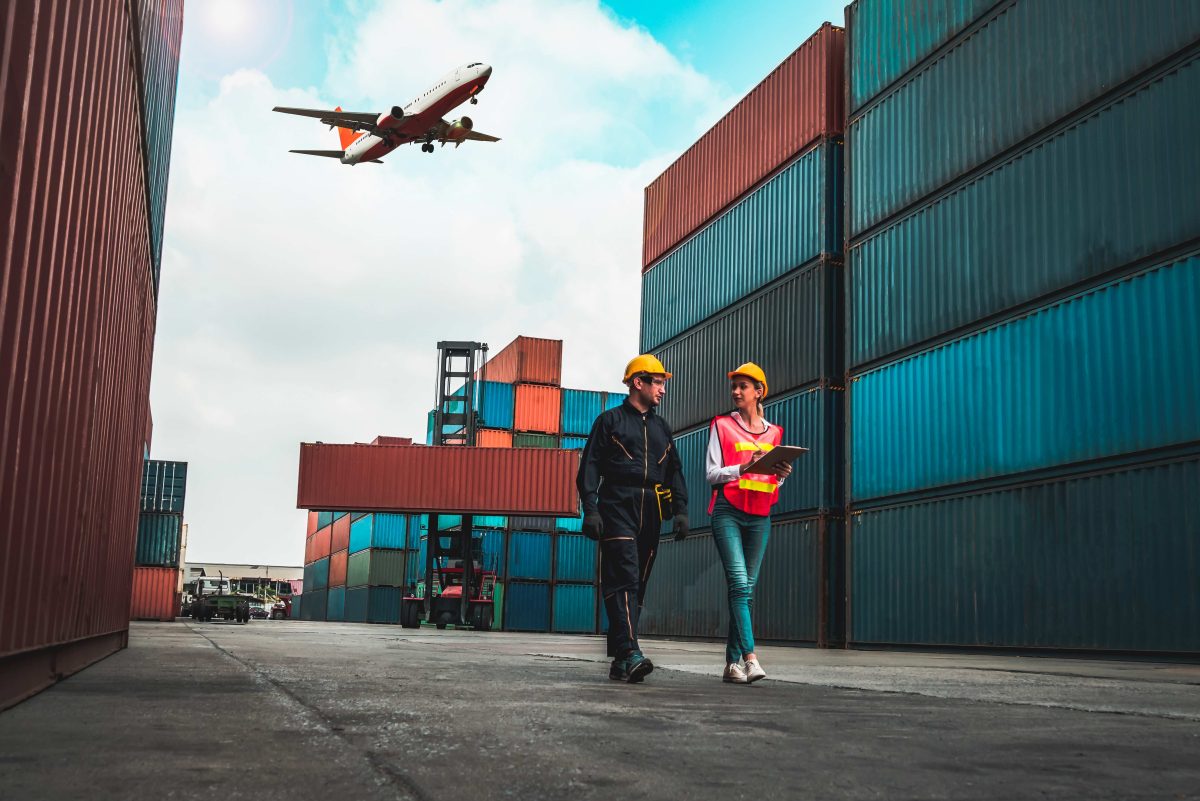
Sea freight is a vital component of global trade, facilitating the movement of goods across vast distances. For those new to international shipping, understanding the timelines involved in sea freight can be crucial for effective planning and management of supply chains. This comprehensive guide aims to demystify the process and provide insights into the factors that influence shipping durations.
Understanding Sea Freight Basics
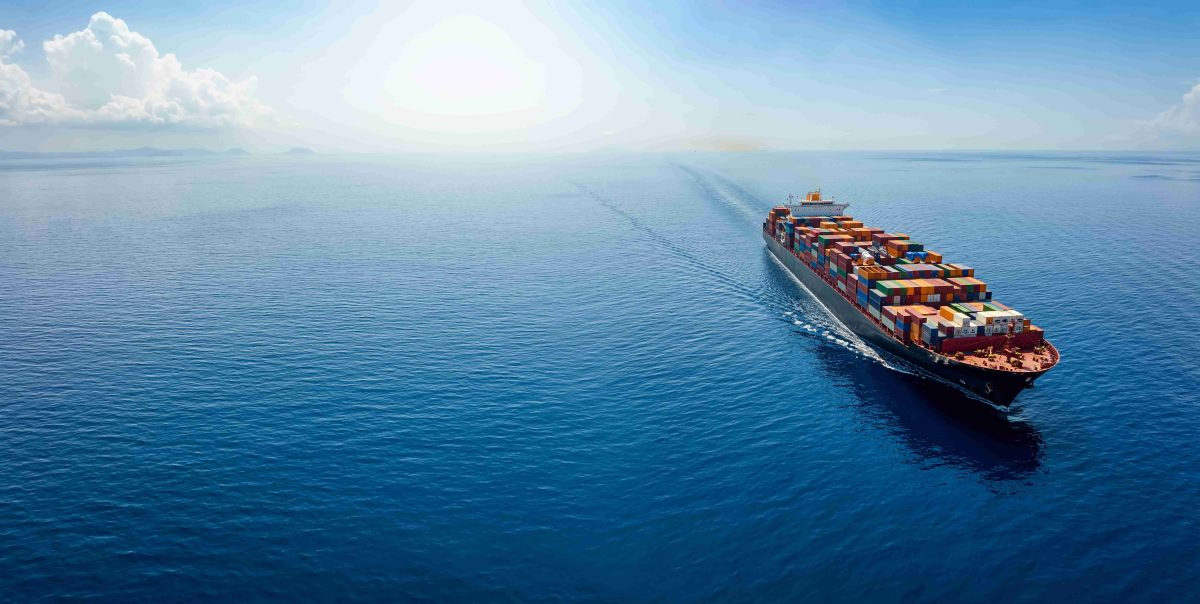
Sea freight refers to the method of transporting goods and commodities via cargo ships. Also known as ocean freight, this mode of transportation is particularly advantageous for businesses and individuals looking for an economical option to move large quantities of products over considerable distances. While it may not be as fast as air freight or other shipping options, sea freight Singapore businesses rely on offers significant advantages in terms of cost and capacity, especially for bulky or heavy items.
Factors Affecting Sea Freight Duration
Several factors contribute to the overall duration of shipping times. The most obvious factor is the distance between the origin and destination ports. Longer routes naturally take more time. For instance, Trans-Pacific routes from China to the United States West Coast typically take 14-20 days while Trans-Atlantic routes from Europe to the United States East Coast usually require 10-14 days. Intra-Asia routes can vary from 1-7 days depending on the specific ports involved.
Vessel speed and type also play a crucial role in determining transit times. Modern container ships typically travel at speeds of 16-22 knots (18-25 mph). However, some shipping lines practice slow steaming to conserve fuel, which can extend transit times. The type of vessel matters as well, with container ships being the most common and offering regular schedules, while bulk carriers used for commodities like grain or coal may have less predictable schedules.
Port congestion and efficiency can significantly impact overall transit times. Delays can occur at both origin and destination ports due to high volumes of cargo, limited port capacity, labor disputes or strikes, customs clearance processes, and weather conditions. Efficient ports with modern infrastructure can significantly reduce overall transit times.
Many shipments require transshipment, where cargo is transferred from one vessel to another at an intermediate port. This process can add several days to the overall journey, depending on the efficiency of the transshipment hub and the frequency of connecting vessels.
Proper documentation is crucial for smooth customs clearance. Delays can occur if documentation is incomplete or incorrect, customs officials require additional inspections, or there are issues with compliance or regulations.
Seasonal factors can also impact sea freight durations. Peak shipping seasons, such as before major holidays, can lead to congestion and delays. Adverse weather conditions, particularly in hurricane or typhoon seasons, may force ships to take longer routes or reduce speeds.
Door-to-Door vs. Port-to-Port
When considering sea freight durations, it’s important to distinguish between port-to-port and door-to-door services:
- Port-to-port: This refers to the time taken from the departure at the origin port to arrival at the destination port.
- Door-to-door: This includes the entire journey from the shipper’s location to the final destination, including inland transportation, customs clearance, and potential warehousing.
Door-to-door services naturally take longer but offer a more comprehensive solution, especially for businesses without established logistics networks in the destination country.
Planning for Sea Freight Shipments
Given the variables involved in sea freight, it’s crucial to plan ahead. Always add a buffer of 3-5 days to account for potential delays. Utilize tracking services provided by shipping lines or freight forwarders to monitor your shipment’s progress. Maintain open lines of communication with your freight forwarder or shipping line for updates and potential issues. Ensure all necessary documents are prepared accurately and submitted promptly to avoid customs delays. Consider marine cargo insurance to protect against potential losses or damages during transit.
Alternatives to Standard Sea Freight
For time-sensitive shipments, consider alternatives such as express sea freight, where some carriers offer premium services with faster transit times, dedicated equipment, and priority handling. Air-sea combinations involve shipping goods by air to a hub close to the destination, then using sea freight for the final leg, balancing speed and cost. Rail-sea combinations are particularly relevant for Eurasian routes, utilizing rail networks to connect inland points with seaports.
The Environmental Aspect
While sea freight may take longer than air freight, it’s worth noting its environmental benefits. Ocean shipping is generally more fuel-efficient per ton-mile and produces fewer greenhouse gas emissions compared to air freight. For businesses prioritizing sustainability, the longer transit times of sea freight may be a worthwhile trade-off for reduced environmental impact.
Conclusion
Understanding sea freight durations is essential for effective supply chain management. While transit times can vary due to numerous factors, being aware of these variables allows businesses to plan accordingly and set realistic expectations.