Tips for Choosing the Fly Fishing Spots Around the World
When it comes to fly fishing, choosing the right spot can make all the difference between a successful and memorable experience or a frustrating day on the water. With so many breathtaking locations around the globe, every angler needs to understand what makes a destination ideal for their fishing needs and preferences. This blog aims to provide valuable insights and guidance on how to select fly fishing spots that promise exceptional adventures amidst stunning natural scenery.

Top Fly Fishing Guides Across the Globe
Finding a knowledgeable and experienced guide can transform your fly fishing trip from ordinary to extraordinary. These guides not only have an intimate understanding of local waters and fish behavior but also share valuable tips and techniques. From boat fly fishing guides Pyramid Lake Nevada to wade fly fishing guides in Montana, these professionals personalize your fly fishing experience to fit your skill level and interests. A guide’s familiarity with the best fishing spots and changing seasonal conditions can lead you to the most elusive fish, ensuring a rewarding and educational outing. Furthermore, their insights into local culture and natural history enrich the overall experience, allowing you to appreciate more than just the fishing. Opting for guided trips not only increases the chances of landing a catch but also helps support local economies and conservation efforts in these pristine fisheries.
Seasonal Variations and Their Impact on Fly Fishing
Understanding seasonal variations is crucial for any fly fisher aiming for success on the water. Each season brings distinct changes in weather patterns, water levels, and fish behavior, affecting when and where to fish. In spring, as temperatures rise, fish become more active after the winter dormancy, making it a prime time for fishing in many regions. Summer days can lead to increased insect hatches, providing ample feeding opportunities for fish, although higher temperatures may drive fish to deeper, cooler waters. Fall often sees fish preparing for colder months, leading to aggressive feeding, while winter presents challenges such as icy waters and limited fish activity, requiring specialized techniques and gear.
North Carolina residents planning on deep sea fishing in the Outer Banks always look for experienced guides who understand seasonal shifts and local conditions. This knowledge helps anglers maximize their time on the water while improving safety and overall success rates.
Sustainable Practices for Fly Fishing Enthusiasts
Embracing sustainable practices is essential for preserving the natural beauty and biodiversity of fly fishing destinations worldwide. As anglers, adopting a catch-and-release ethic is crucial to maintaining fish populations. Use barbless hooks to minimize harm, and handle fish gently and briefly to ensure a strong chance of survival after release. Additionally, be mindful of the surrounding environment by adhering to the Leave No Trace principles: pack out all litter, be cautious with campfires, and respect wildlife habitats. Choosing eco-friendly gear made from sustainable materials can further reduce environmental impact. Local regulations are established to protect fisheries; thus, obtaining the necessary permits and observing fishing limits is vital. Engaging in habitat conservation projects or supporting organizations dedicated to preserving waterways can enhance the health of these ecosystems.
Gear and Equipment Tips for Different Locations
Choosing the right gear and equipment is essential for a successful fly fishing adventure, especially as different locations demand varying approaches. In mountain streams and small rivers, lightweight rods ranging from 1 to 4 weights are recommended for delicate presentations and precise casting in tighter spaces. For larger rivers and lakes, a 5 to 7-weight rod provides the necessary power and line control to handle bigger fish and longer casts. Saltwater fly fishing introduces additional challenges with its larger and stronger fish species; hence, robust 8 to 12-weight rods, along with corrosion-resistant reels, are essential.
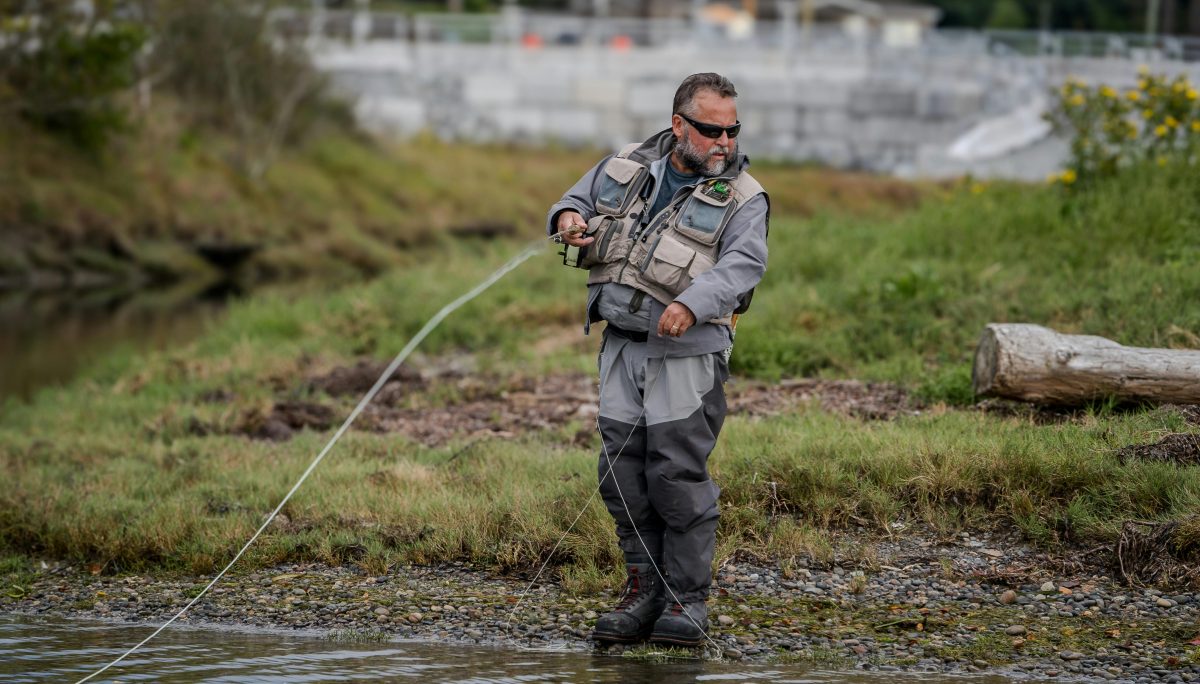
When it comes to waders, consider the water temperature and conditions—breathable waders work well in temperate climates, while neoprene options offer insulation in colder waters. Footwear with good traction is indispensable whether battling slippery riverbeds or sandy beaches. Additionally, pack a versatile fly box containing patterns suited to the specific region and season, including dry flies, nymphs, and streamers. Don’t forget essentials like polarized sunglasses for reducing glare and improving underwater visibility, as well as a quality fly fishing vest or pack to keep necessities organized and easily accessible. Lastly, be sure to carry a reliable fishing map or GPS device for navigating unfamiliar fishing grounds.
Thrilling Fly Fishing Destinations to Consider
For those looking to embark on an unforgettable fly fishing journey, several destinations around the world offer unparalleled experiences. Patagonia, straddling Argentina and Chile, boasts pristine rivers and lakes teeming with brown and rainbow trout, set against the backdrop of stunning mountain vistas and untouched wilderness. Iceland, with its glacial rivers and vast lava fields, is famous for its Atlantic salmon and Arctic char, providing anglers with a unique blend of scenic beauty and abundant catch opportunities. New Zealand, often hailed as an angler’s paradise, offers gin-clear waters and trophy-sized brown and rainbow trout, particularly in the Taupo and South Island regions. The experience here is complemented by the country’s dramatic landscapes ranging from serene fjords to lush forested valleys.
Fly fishing offers adventurers a profound and thrilling connection with nature, allowing enthusiasts to explore some of the most beautiful and ecologically diverse locations across the globe. From selecting prime spots and understanding seasonal nuances to choosing the right gear and embracing sustainable practices, each aspect enhances the overall experience. Whether you’re casting lines in Patagonia’s crystal-clear rivers or exploring Iceland’s glacial waters, the key to a successful fly fishing trip lies in preparation, respect for the environment, and the willingness to immerse oneself in the tranquil challenge that this beloved pastime provides.