How Professional Dog Trainers Use Positive Reinforcement Techniques?
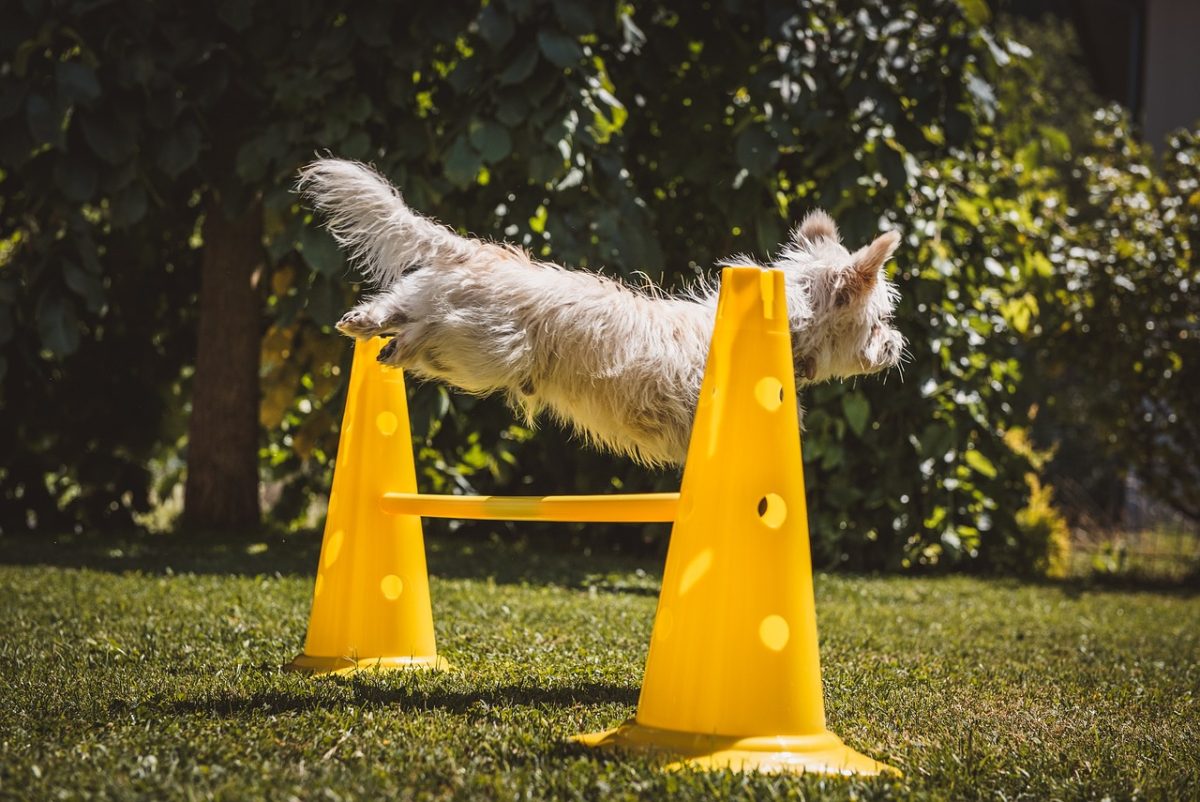
Positive reinforcement has emerged as a prominent and effective approach in dog training, focusing on encouraging desirable behaviors rather than punishing unwanted ones. Trainers can build a strong bond with dogs by rewarding good behavior with treats, praise, or play while fostering a positive learning environment. We will explore how Professional Dog Trainer in Austin, TX utilize positive reinforcement techniques, including their methodologies, benefits for the dog-human relationship, and long-term effectiveness in behavior modification.
The Methodology of Positive Reinforcement
Professional dog trainers employ various techniques within the framework of positive reinforcement to shape behavior effectively. At its core, positive reinforcement involves providing a reward immediately after a desired behavior occurs, reinforcing that behavior, and increasing the likelihood of its recurrence. Trainers identify specific behaviors they want to encourage, such as sitting, staying, or coming when called. Once a behavior is identified, trainers can use a variety of rewards, including treats, toys, or verbal praise, depending on what motivates the dog most.
One common technique is clicker training, where a clicker marks the precise moment a dog exhibits the desired behavior. The sound of the click serves as a cue for the dog that it has done something right and is followed by a reward. This immediate feedback helps the dog understand what is expected of it, facilitating quicker learning. Additionally, trainers often use a variable reward schedule, where rewards are given inconsistently, thereby maintaining the dog’s interest and motivation over time. This methodology helps effectively teach commands and enriches the overall training experience, making it enjoyable for both the dog and the trainer.
Building Trust and Strengthening Relationships
One of the most significant advantages of positive reinforcement is its capacity to enhance the bond between dogs and their owners or trainers. Traditional training methods that rely on punishment can lead to fear and anxiety, potentially damaging the relationship between the dog and the human. In contrast, positive reinforcement fosters an environment of trust and cooperation. When dogs associate training sessions with rewards and praise, they become more enthusiastic participants. This mutual enjoyment can make training sessions more productive and enjoyable.
Moreover, dogs trained using positive reinforcement techniques are often more confident and willing to engage in various activities. This approach helps them feel secure in their environment, knowing that good behavior will be met with positive feedback. The resulting bond can lead to a more harmonious living situation, as dogs are less likely to exhibit problematic behaviors such as aggression or excessive barking when they feel understood and valued. Trainers recognize that building trust through positive interactions ultimately contributes to a dog’s well-being and happiness.
Long-Term Effectiveness in Behavior Modification
The long-term effectiveness of positive reinforcement techniques in dog training is another reason professional trainers widely adopt them. Unlike punishment-based methods, which may produce immediate compliance but can lead to fear-based responses, positive reinforcement creates a lasting behavior change. When dogs learn through positive reinforcement, they understand what behaviors are expected and develop a desire to engage in those behaviors without the fear of negative consequences.
This method is particularly beneficial for addressing behavioral issues. For instance, if a dog is anxious or fearful in certain situations, a trainer can use positive reinforcement to gradually expose the dog to those triggers while rewarding calm behavior. Over time, the dog learns to associate these previously stressful experiences with positive outcomes, helping to reduce anxiety and build resilience. This gradual, supportive approach is more humane and effective for addressing behavioral challenges, resulting in a happier, more balanced dog.
Customizing Training to Individual Needs
Another notable aspect of positive reinforcement is its adaptability to suit individual dogs’ personalities, needs, and preferences. Professional trainers recognize that each dog has unique motivations and learning styles. For example, some dogs may respond best to food rewards, while others might be more motivated by play or verbal praise. Trainers carefully observe their canine clients to determine what rewards resonate most effectively, allowing them to tailor their training strategies accordingly.
Ohio residents from all around the state’s capital like to click for board and train services in Columbus that provide structured programs for lasting behavior improvement. These comprehensive sessions help dogs build confidence, learn obedience, and strengthen their connection with their owners.
Additionally, positive reinforcement allows for a flexible training pace. If a dog struggles to grasp a particular command, a trainer can adjust the training methods by simplifying it or breaking it down into smaller steps. This customization fosters an environment where dogs feel comfortable learning at their own pace, reducing frustration and enhancing the overall training experience. This individualized approach can significantly improve behavior, as dogs are more likely to succeed when training is adapted to their unique characteristics.
Professional dog trainers’ application of positive reinforcement techniques significantly impacts both the dogs they train and their relationships with their human companions. Trainers create a supportive and enjoyable environment that fosters learning, trust, and long-term behavioral change by focusing on rewarding desirable behaviors. The adaptability of positive reinforcement to individual dogs’ needs further enhances its effectiveness, allowing trainers to customize their approaches for the best outcomes. While there are challenges and misconceptions associated with this method, the overall benefits are undeniable. As more dog trainers embrace positive reinforcement, we can expect to see a growing appreciation for the joy and effectiveness this approach brings to the dog training world.