Navigating the Aftermath: A Comprehensive Guide to Personal Injury Law
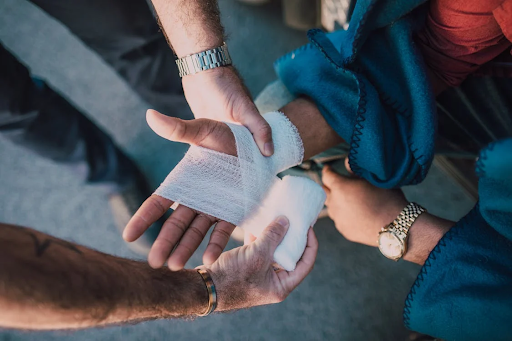
Life can change in an instant. A car accident, a slip and fall, or an injury caused by someone else’s negligence can leave you with physical pain, emotional distress, and mounting financial burdens. In these challenging times, understanding your rights and seeking the help of a personal injury lawyer can make a significant difference in your recovery and your future.
Understanding Negligence
Personal injury cases involve legally proving negligence according to four key evidentiary factors:
Duty of Care – The accused party bore responsibilities for keeping victims safe from foreseeable risks or harms in given situational contexts but failed to uphold obligations reasonably.
Breach of Duty – Actual careless, reckless, or intentional actions taken (or lack thereof) caused on the basis of injuries or losses faced corresponding to responsibility domains owed.
Causation – Breaches of duties directly resulted in or amplified demonstrated injury damages accounted for financially.
Damages – Quantifiable physical, emotional, and economic losses incurred due to injuries sustained stemmed from incident events as proximal results verifying harm incurred seeking remedy through court orders eventually.
The Role of a Personal Injury Lawyer
A specialized and skilled personal injury lawyer in Long Island can expertly assist clients by:
Investigating Accidents – Independently gathering police reports, visiting accident scenes, interviewing witnesses, and reconstructing events help establish liability grounds and question negligence magnitudes seeking the truth. Thoroughness matters legally.
Determining Liability—Analyzing case merits within wider legal contexts assesses the strength of negligence claims against parties like manufacturers or municipalities. Exploring all options structures realistic outlooks.
Negotiating Settlements—Leveraging investigation findings to secure equitable out-of-court compensation settlements skillfully avoids oft-delayed litigation, aiming for quicker financial recoveries coming constructively if agreeable offers get tendered initially.
Filing Lawsuits—If extra-judicial negotiations between insurers become nonviable, formal court filings commence legal proceedings, deciding outcomes more authoritatively where prior attempts to seek resolutions cordially fail altogether despite best efforts.
Providing Legal Counsel—The client advocates guidance around complex personal injury legal contours, where emotional stresses could overwhelm individuals without compassionate legal partner support. The client unpacks intricacies and eventually delivers redemptive results together, no matter the duration required.
Common Types of Personal Injury Cases
Examining common accident categories deeper reveals intricacies around proving negligence contexts confronted pursuing justice afterward:
Car Accidents
Seeking compensation for collisions involving medical bills, lost incomes, vehicle damages, and pain/suffering requires assessing liability degrees across motorists who are often contesting. Police reports determine initial fault assumptions. Comparative negligence statutes reduce payouts depending on both driver carelessness levels assessed.
Slip and Fall
Injuries occurring on third-party properties place burdens demonstrating unsafe premises like liquid spills or structural damages directly caused falls based on trace forensics, insufficient warnings posted, or past safety violations endangering customers wantonly through greed-driven profit motives over humane outcomes prioritized reasonably. Justice responds proportionately.
Medical Malpractice
Misconduct, such as surgical errors or medication misdiagnoses, breaches the standards medical care expects when life hangs in the balance, making physicians liable for agony sustained thereafter. Records reveal the truth when the establishment views close ranks subtly. Legal accountability modifies behaviors, improving practices.
Product Liability
Manufacturing, design, or marketing defects harming buyers also define negligent grounds where corporate cost-cutters compromise safety, shifting outrageously earnings-first bottom lines over ethical human welfare centricity reasonably expected by paying customers supporting companies fundamentally as foundational existence purpose, still ironically.
Workplace Accidents
On-site injuries occur when occupational safety violations or a lack of employee training regarding hazardous operating procedures directly impact workers negatively. Companies are liable for covering rehabilitation costs, lost pay from work interruptions, and suffering none asked for in exchange for performing roles dutifully as expected.
Wrongful Death
Fatalities occasionally arise when extreme versions of the above accidents transpire concurrently, piling up egregiously enough to end lives prematurely when alternative precautions or urgency responses reasonably undertaken otherwise could have mitigated problems sufficiently if only priorities stood rightly. Bereaved families also deserve answers.
The Personal Injury Claims Process
Typical personal injury claim sequences eventuate:
Seek Medical CareThoroughly document accident injuries through emergency and specialized doctors, establishing medical baselines aiding accurate diagnoses, treatment plans, and prognoses, plus permanency levels upholding injury claims.
Gather Evidence
Collect police reports, accident recreation measurements, photos, and witness accounts reinforcing recollections around incidents backing negligence arguments legally. Most get quickly forgotten without a record.
Contact Personal Injury Lawyers
Initiate reputable attorney partnerships early, seeking experienced guidance around legal intricacies confronting settlement negotiations or court filings. Assembly may eventually require determining suitable legal courses, optimally balancing risks, costs, and time investments, and vigilantly pursuing personalized justice.
Investigations and Demand Letters
Pre-trial liability and compensation arguments Get structured into formal written legal demands seeking initially swift, confidential extrajudicial case resolutions if agreeable settlement offers warrant sparing intensive court preparations ideally.
Negotiations
If an acceptable agreement around the amount offered appears possible through back-and-forth lawyer negotiations and documentation exchanges, cases are settled confidentially out-of-court contractually once signed by all parties involved.
Litigation
Requiring courtroom arguments and rulings on issues unresolvable privately in chambers mandates lengthy litigation processes with no guarantees beyond letting justice run courses whatever juried outcomes ultimately rule evidence findings theoretically.
Trial
Formal evidentiary hearings and oral witness testimonies before judges or juries determine fates, rendering verdict decrees and injury compensation orders legally binding upon all active parties transparently involved thereafter.
Judgment and Appeals
Once judicial rulings finalize, granting win-loss statuses plus monetary awards due, losing sides retain opportunities to file appeals seeking higher court opinions. If procedural irregularities or legal misinterpretations gain subsequent reversals overturning earlier adjudications, losing sides potentially amend previous decisions.
Tips for Protecting Yourself Against Personal Injury
Claim Follow vital actions safeguarding your interests:
Report Incidents
File immediate police reports outlining harms incurred contemporaneously, capturing key details witnessed supporting subsequent negligence premises. Later investigation efficacies decline without swift documentation at the scene.
Seek Medical Care
Urgently undergo personal injury health examinations, creating admissible legal records around sustaining bodily harms applicable to upholding damage claims consistently. Downplaying pains fails to support lost wage arguments.
Document Everything
Record medical invoices, accident photos, disability durations, and collision diagrams demonstrating visually compelling revealed impacts backing narratives when memories invariably fade as cases drag on for years battling uncooperative insurance firms aiming to limit payouts typically through formidable legal deterrence tactics, wearing down claimants gradually into paltry settlements ultimately.
Avoid Recorded Statements
Insurers frequently pressure hurried verbatim accounts from injured parties immediately after post-incidents, seeking self-incriminating inconsistencies useful for denying claims later when suits formalize down the roads. Decline providing premature recorded commentary until representing lawyers ready cases methodically. Silence proves legally golden initially.
Mind Social Media Posts
Refrain from broadcasting incident details publicly across personal platforms, failing to contradict injury claims significantly, or exposing information jeopardizing legal strategies awaiting battles ahead subsequently if long litigation roads are traveled reluctantly by all involved. Unlike insurers, individuals lack teams managing media narratives cautiously.
Conclusion
Dealing with a personal injury can be a challenging and stressful experience. Understanding your rights and seeking the help of a skilled personal injury lawyer can make a significant difference in your recovery and your ability to secure the compensation you deserve. Remember to prioritize your health, gather evidence, and consult with a lawyer as soon as possible to protect your rights and navigate the complexities of the legal process.