Why U.S. Industries are Adopting Fiber Laser Cutting Machines
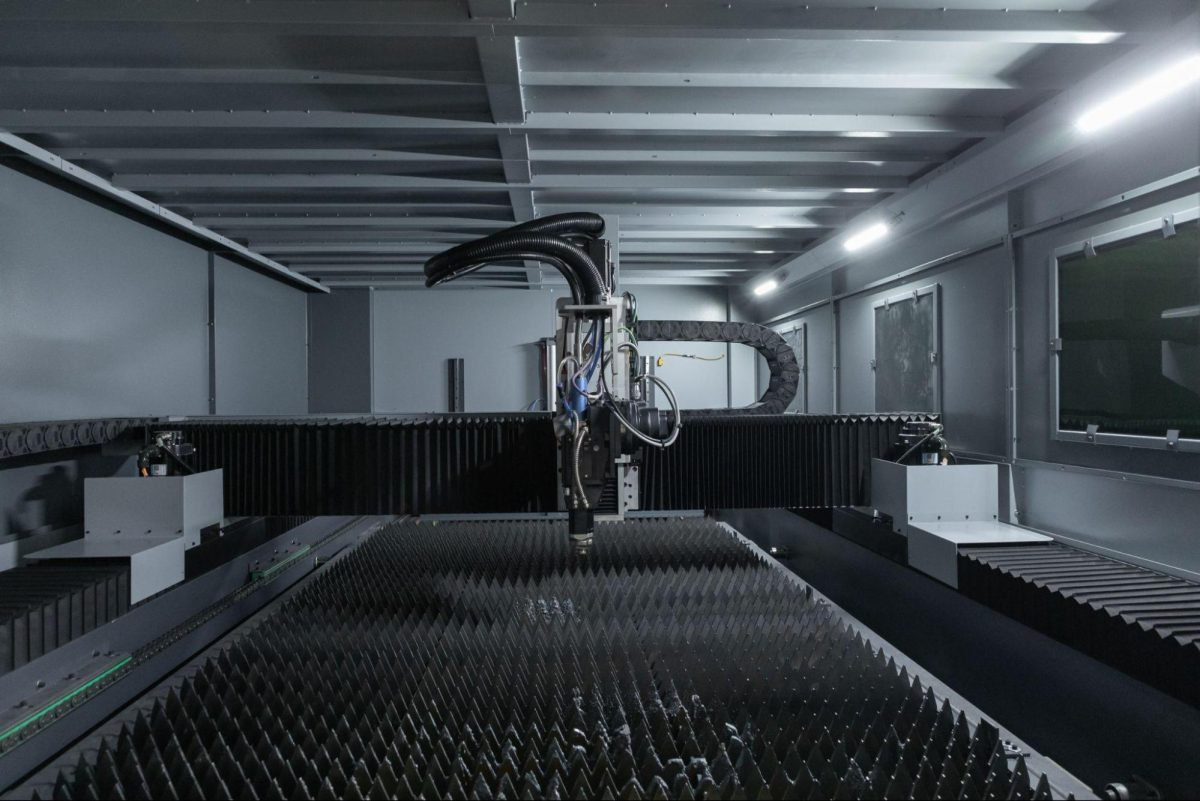
In recent years, U.S. industries have increasingly turned to fiber laser cutting machines as a cornerstone of manufacturing due to their unparalleled efficiency, precision, and cost-effectiveness. This shift is redefining production lines across sectors, from aerospace to automotive, underscoring a broad transformation towards more innovative manufacturing techniques.
What is Fiber Laser Cutting?
Fiber laser cutting is a technology that employs a fiber laser to slice through materials with astonishing accuracy. Unlike traditional lasers that use mirrors and lenses to direct the laser beam, fiber lasers use an optical fiber doped with rare-earth elements such as erbium, ytterbium, or neodymium. This setup enhances the laser’s power and reduces size, making it ideal for precision cutting.
How Does Fiber Laser Cutting Work?
Fiber laser cutting machines involve several key stages:
- Design Input: First, a design is input into the machine’s control system, detailing dimensions and cutting paths.
- Laser Generation: The fiber laser beam is generated and amplified within a flexible doped fiber optic cable.
- Beam Focusing: The laser beam is then focused on the material’s surface through a precision lens.
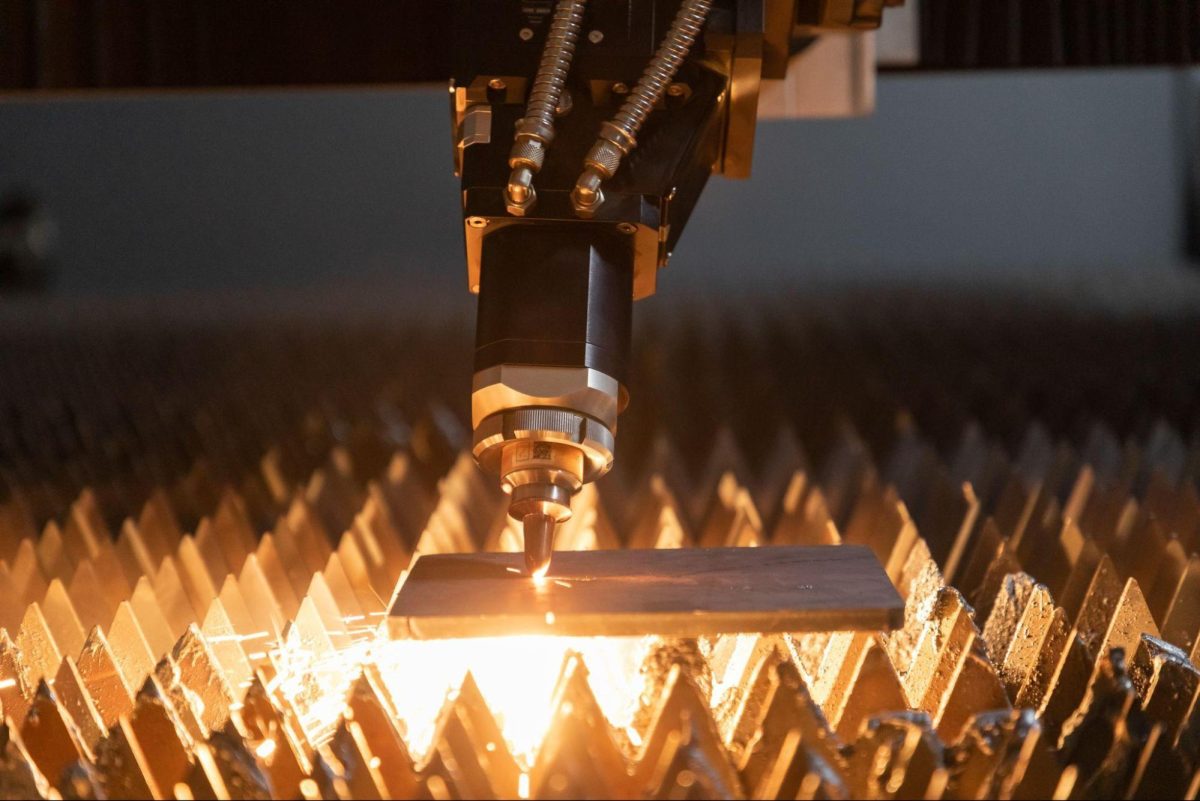
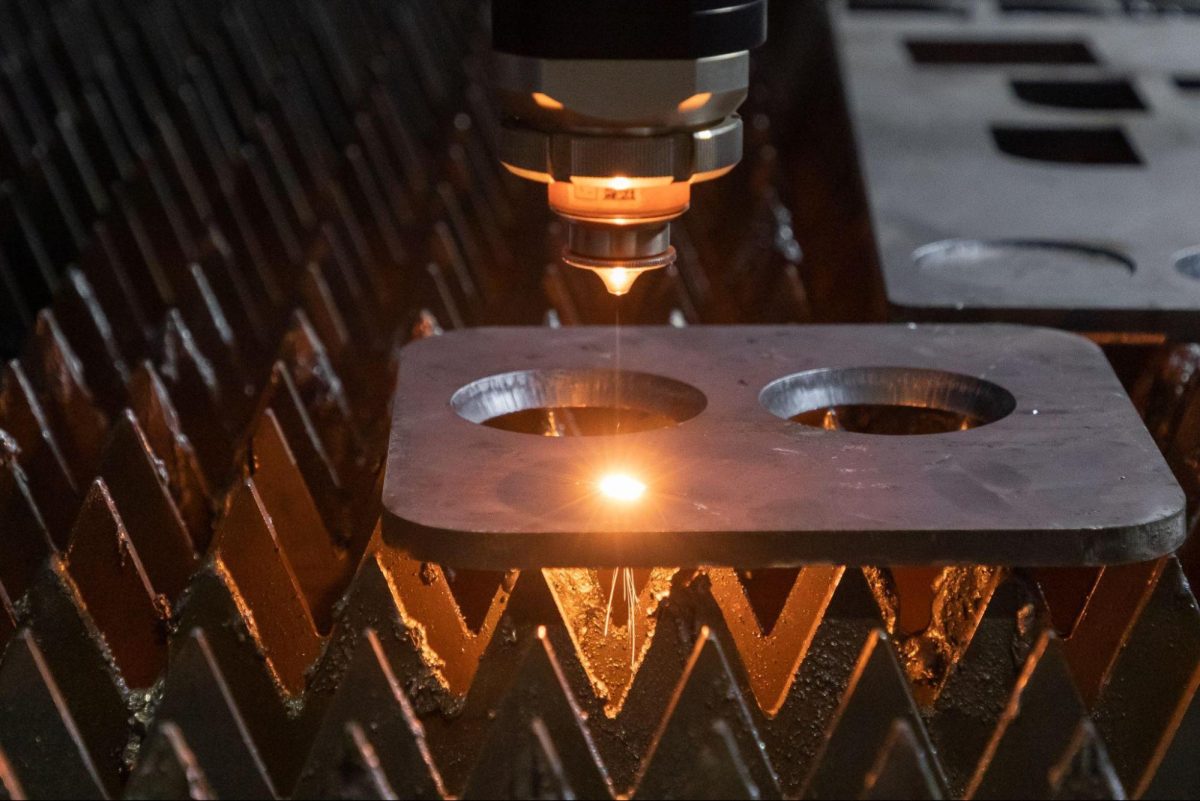
- Material Cutting: The intense heat from the focused laser beam melts and vaporizes the material, allowing for clean cuts with minimal waste.
- Extraction of Byproducts: Gases or a vacuum system extract any vaporized metal or debris, ensuring a clean cut and reducing maintenance needs.
Advantages of Fiber Laser Cutting Machines
The adoption of fiber laser cutting machines offers numerous benefits, which include:
- Speed: Fiber lasers operate at speeds unmatched by traditional cutting technologies, significantly reducing production times.
- Precision: The focused laser beam allows for incredibly precise cuts, reducing material waste and improving component quality.
- Efficiency: With a higher electrical-to-optical conversion rate, fiber lasers use less power than other laser types, making them more energy-efficient.
How Do Fiber Laser Cutters Enhance Production Speed?
By minimizing setup times and operating with faster cutting speeds, fiber laser cutters streamline production processes. Their ability to cut through thick materials at high speeds without sacrificing quality makes them ideal for high-volume manufacturing environments.
What Makes Fiber Laser Cutters More Precise Than Other Options?
The precision of fiber laser cutters stems from their minimal beam divergence. The laser beam is tightly focused, allowing for intricate cuts with fine detail, which is essential for industries requiring high-fidelity replication of parts.
Why Are Fiber Laser Cutters Considered Energy Efficient?
Fiber lasers maximize electrical efficiency, converting up to 70% of their input energy into cutting power, compared to around 10% for traditional CO2 lasers. This efficiency not only reduces operational costs but also lowers the environmental impact.
The Core Components of a Fiber Laser Cutting Machine
Key components of fiber laser cutting machines include:
- Laser Source: The heart of the machine, where the laser beam is generated.
- Control System: Software that interprets design files and directs the laser cutting path.
- Cutting Head: Includes the focusing lens and nozzle that directs the laser beam and extraction systems.
- Cooling System: Maintains the necessary temperatures within the laser source and optics to ensure operational stability and efficiency.
- Gas Supply: Used to aid the cutting process by blowing away molten material and keeping the cut clean.
What Materials Can Be Effectively Cut with Fiber Lasers?
Fiber lasers are incredibly versatile, capable of cutting a wide range of materials, which contributes significantly to their adoption across various industries. The primary materials include:
Common Metals and Alloys Processed by Fiber Lasers
- Steel: Both mild and stainless varieties, up to an inch thick.
- Aluminum: Known for its reflectivity, which poses challenges for other laser types.
- Brass and Copper: These non-ferrous metals are efficiently cut using fiber lasers despite their high reflectivity.
Are There Non-Metal Materials That Can Be Cut by Fiber Lasers?
Yes, fiber lasers can also process materials beyond metals, such as:
- Polymers and Plastics: Precision cutting without warping or excessive melting.
- Composites: Maintaining integrity of complex materials without unraveling or delamination.
- Ceramics and Glass: Specialized fiber laser settings allow for smooth, fine cuts.
Key Parameters and Specifications in Fiber Laser Cutting
Understanding the critical parameters in fiber laser cutting is essential for optimizing the cutting process and achieving the best results. These parameters include:
- Laser Power: Higher power levels allow for faster cutting but may require adjustments based on material thickness.
- Cutting Speed: Balanced against power to achieve clean cuts without thermal damage.
- Focus Position: Precise focus is crucial for effective cutting depth and quality.
What Are the Cutting Tolerances with Fiber Laser Machines?
Fiber lasers can maintain tight tolerances, typically within +0.1mm, making them ideal for applications requiring high precision, such as in the electronics or medical device industries.
Comparison of Fiber Laser Cutters with Other Laser Technologies
Fiber lasers often compare favorably to other laser types like CO2 and Nd
lasers, particularly in terms of efficiency and cutting capabilities.
Fiber vs. CO2 Laser Cutters
- Speed and Efficiency: Fiber lasers typically cut three times faster in thin materials than CO2 lasers.
- Maintenance: Fiber lasers require less maintenance since they have no moving parts in the laser generation process, unlike CO2 lasers which use gas that must be replenished.
Fiber vs. Nd
Laser Cutters
- Cut Quality: Fiber lasers provide a finer beam and therefore a higher-quality cut, especially in thicker materials.
- Operating Cost: Lower operating costs for fiber lasers due to higher electrical efficiency and lower maintenance requirements.
Industries Utilizing Fiber Laser Cutting
Fiber laser technology has found a robust application across several key industries:
- Aerospace: Used for cutting complex components with high precision and minimal material waste.
- Automotive: Enhances production speed and accuracy in cutting parts for vehicles.
- Electronics: For creating intricate components used in consumer electronics and other devices.
Why is the Aerospace Industry Increasingly Adopting Fiber Laser Cutting?
The aerospace industry values the high precision and ability to cut complex patterns and durable materials, which are crucial for aerospace components.
Benefits of Fiber Laser Cutting in Automotive Manufacturing
Fiber laser cutting increases efficiency and reduces waste, which is vital in the cost-sensitive automotive industry.
Economic Impact of Fiber Laser Cutting in U.S. Industries
The adoption of fiber laser technology has proven to be economically beneficial:
Cost Comparison: Fiber Laser Cutting vs. Traditional Cutting Techniques
Fiber lasers often result in lower operational costs due to reduced energy consumption and faster processing times, leading to a significant return on investment.
Case Studies: Successful Integration of Fiber Laser Cutters in U.S. Industries
Many companies report reductions in production costs and improvements in product quality, contributing to enhanced competitive advantage.
Safety Protocols for Fiber Laser Cutting
Safety is paramount when operating high-power lasers. Key safety measures include:
- Proper Enclosure: To prevent accidental laser exposure.
- Automated Shutdowns: If a breach in safety is detected.
- Regular Training: For operators on safety procedures and emergency measures.
Future Trends in Fiber Laser Cutting Technology
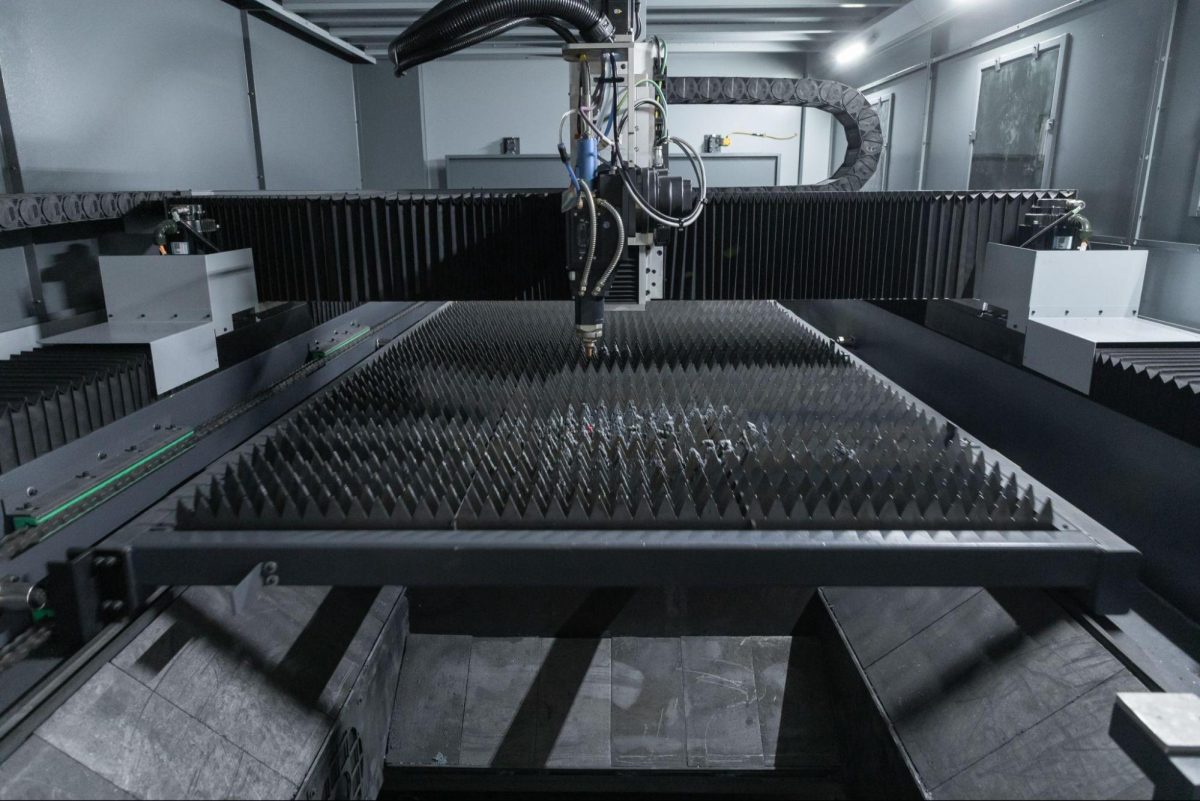
As technology progresses, the potential for innovation in fiber laser cutting continues to expand, setting the stage for transformative changes in the manufacturing landscape.
Emerging Technologies in Fiber Laser Cutting
New developments include the integration of AI and machine learning for optimized cutting paths, predictive maintenance, and improved quality control, which can further enhance efficiency and reduce operational costs.
Predictions for Fiber Laser Technology Adoption in the Next Decade
Experts predict that fiber laser technology will become even more prevalent as advancements make these systems more accessible and cost-effective. The ongoing push towards greener manufacturing processes also positions fiber lasers as a preferred technology due to their energy efficiency.
Factors to Consider When Purchasing a Fiber Laser Cutter
- Power Output: Depending on the thickness and type of materials to be cut.
- Material Compatibility: Ensuring the machine can handle the specific materials used in your operations.
- Software Integration: Compatibility with existing CAD/CAM systems and ease of use.
Challenges and Limitations of Fiber Laser Cutting
Despite its many advantages, fiber laser cutting is not without its challenges.
How to Overcome Common Challenges in Fiber Laser Cutting
- Reflectivity Issues: Some metals like aluminum and copper reflect the laser beam, which can be mitigated with specialized settings or the use of a higher wavelength laser.
- Thermal Distortion: Proper parameter settings and cooling systems can help minimize the heat effects on materials, ensuring cleaner cuts.
Conclusion
The adoption of fiber laser cutting machines across U.S. industries signifies a pivotal shift towards more efficient, precise, and cost-effective manufacturing solutions. With ongoing advancements in laser technology, particularly in areas of automation and energy efficiency, fiber lasers are set to play an even more critical role in the future of manufacturing. As companies continue to seek ways to innovate and improve their operations, fiber lasers stand out as a key technology that can meet a wide range of industrial demands, ultimately leading to stronger, more competitive businesses.