All the Potential Liable Parties in a Medical Malpractice Case
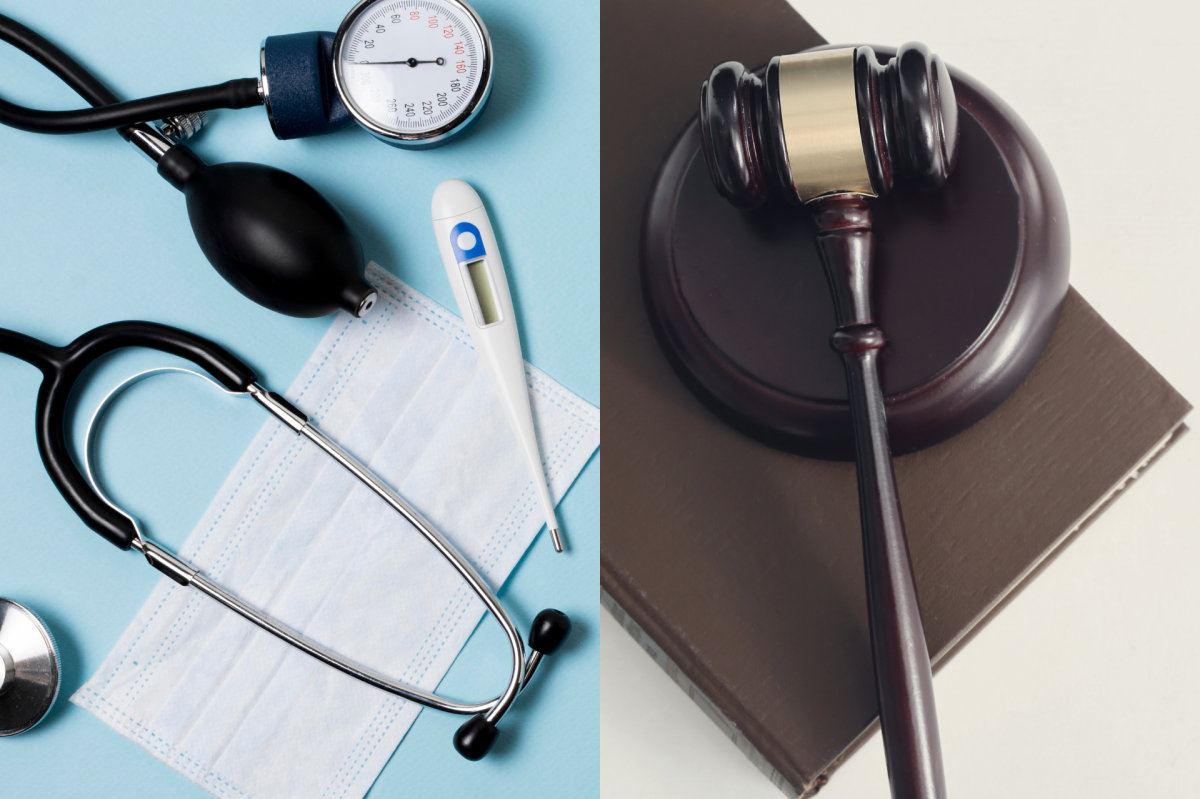
When you go to a doctor or hospital, you trust that the care you receive will help you. But sometimes, things can go wrong; if that happens, the situation can be disastrous. This is when a medical malpractice case may arise. Knowing who might be at fault is essential if you’ve been a victim.
It’s sometimes just the doctor who could be responsible. Multiple people and organizations can also play a role. If you are a victim of such acts, personal injury attorneys specializing in medical malpractice cases can help you get fair compensation.
This article will explain the potential liable parties in a medical malpractice case.
1. The Doctor or Primary Healthcare Provider
Your doctor might make mistakes like giving the wrong diagnosis, performing surgery on the wrong area, or not giving you the proper treatment.
In these cases, you have to prove that the doctor was negligent—that means they did something a careful doctor wouldn’t have done.
2. Nurses and Other Medical Staff
While doctors make the big decisions about your care, nurses and other medical staff also play essential roles. They help by giving you medicine, monitoring your health, and assisting during surgery.
If a nurse makes a mistake, such as giving you the wrong dose of medicine or not noticing signs of trouble in time, they can be held responsible. Other staff, like technicians or specialists, can also make errors that lead to harm. These people are often part of a team, but they can still be individually responsible for what they do wrong.
3. The Hospital or Healthcare Facility
The hospital or clinic where you are treated can also be held liable in a medical malpractice case. Hospitals are responsible for the doctors, nurses, and staff they employ. If one of their employees makes a mistake, the hospital can sometimes be held accountable.
Hospitals can also be liable if they must correctly clean equipment, have enough staff, or not train their workers well. The hospital could be at fault if these problems lead to patient harm.
4. Pharmaceutical Companies
The drugs you take can also be part of the problem in a medical malpractice case. If a prescribed medication has a defect, or the drug company did not warn you enough about the risks, they could be liable.
Sometimes, drugs have dangerous side effects that are not well known, and patients suffer because of it. In such cases, the pharmaceutical company may share some of the responsibility for your injury.
5. Medical Equipment Manufacturers

Image by FreePik
Doctors and hospitals use medical devices, like pacemakers or surgical tools, to treat patients. If one of these devices is defective or malfunctions, it can cause serious harm. For example, if a heart monitor doesn’t work correctly, the doctor may not notice a problem.
In this situation, the company that made the defective device could be liable for the harm. These cases can get complex, especially when equipment failures are hard to prove, but they are a standard part of medical malpractice.
6. Anesthesiologists
Anesthesiologists play a critical role in many surgeries. They are responsible for ensuring you don’t feel pain during the surgery and monitoring your vital signs. If they make a mistake—like giving you too much anesthesia or not monitoring you correctly—you could be seriously harmed.
Anesthesiologists can be sued separately from the doctor or hospital because they often work independently. Their mistakes can be just as harmful as those made by surgeons.
7. Lab and Diagnostic Facilities
The results from medical tests and scans are crucial in diagnosing and treating you. Sometimes, the lab where your blood was tested or the center where your X-ray was done can make errors.
These errors could include incorrect results or delays in sending results to your doctor. When this happens, the lab or diagnostic facility might be held responsible. For example, if a cancer diagnosis is delayed because of a lab error, the patient might miss early treatment, worsening the condition.
8. Third-Party Contractors
Sometimes, hospitals hire private contractors to handle specific services, like cleaning, nursing care, or rehabilitation. If one of these third-party contractors makes a mistake that harms you, they could be held liable.
Vicarious Liability
Sometimes, the hospital may not have done anything directly wrong, but it can still be held liable because of vicarious liability. This legal rule means that employers, like hospitals, can be responsible for the actions of their employees.
If a nurse or doctor makes a mistake while working at the hospital, the hospital could be held accountable even if they didn’t cause the harm directly. Vicarious liability is a way to make sure that hospitals take responsibility for the care they provide through their staff.
How Multiple Parties Can Share Liability
Sometimes, more than one party can be responsible for what happened to you. For example, if a doctor makes a mistake during surgery but the nurse also gave you the wrong medication, the doctor and nurse could be liable.
Or, if a hospital did not correctly clean a medical device, which led to an infection, the hospital and the equipment manufacturer could share the blame. When multiple parties are liable, it can complicate the case and increase the chances of getting the compensation you deserve.
Conclusion
In a medical malpractice case, there are many possible liable parties. It could be the doctor, the nurse, the hospital, or the drug or device company. Understanding who might be at fault is critical to getting the justice you deserve. Knowing all the parties that could be involved helps you build a strong case and ensures that everyone responsible is held accountable.