5 Ways Precision Agriculture Enhances Sustainability
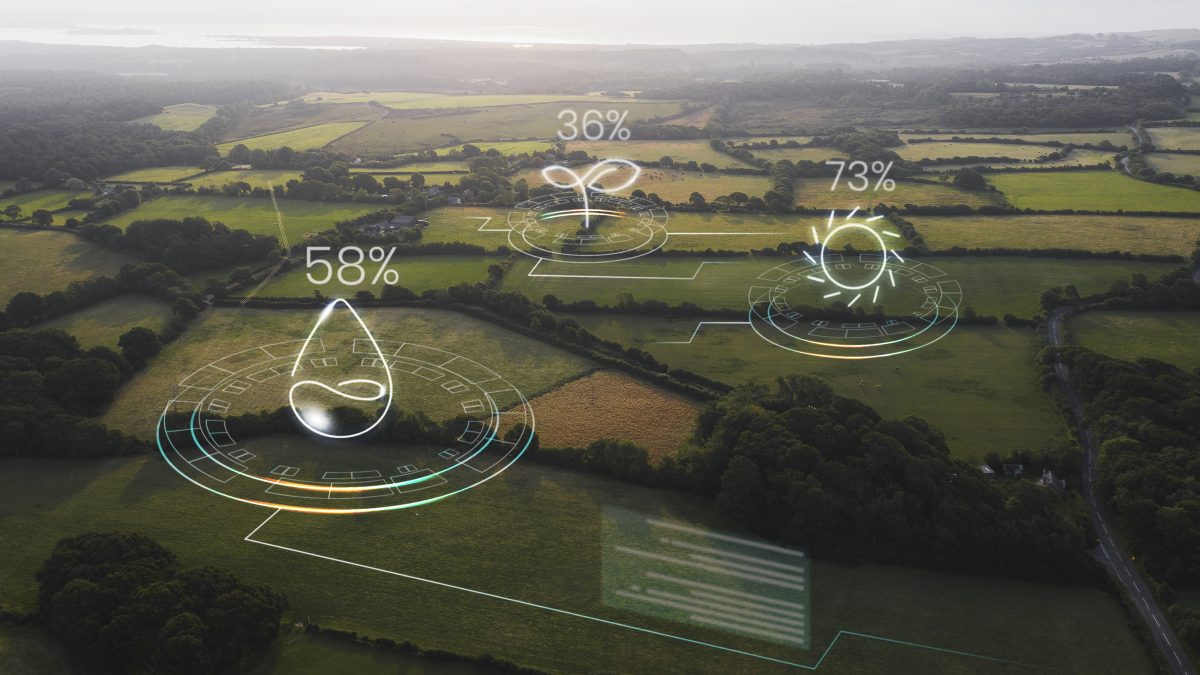
Have you ever thought about how technology can help make farming more sustainable?
Precision agriculture changes how you grow food-granting solutions that raise crop yields while minimizing environmental impact.
Equipped with advanced tools such as GPS, sensors, and data analytics, farmers can make more informed decisions on reducing waste and economizing resources. Partnering with a reliable grain bin parts supplier also ensures that essential equipment used in storage and handling operates efficiently, supporting overall sustainability efforts.
Whether it’s optimizing water usage, cutting down on chemical inputs, or improving soil health, precision agriculture is the surest route toward a greener lifestyle.
How, though, does this happen?
The following are five key ways in which precision agriculture enhances sustainability. Continue reading to find out how these innovations change agriculture for good.
1. Reduced Use Of Inputs (Water, Fertilizers, and Pesticides)
Precision agriculture allows you to minimize the amount of water, fertilizers, and pesticides applied to your fields.
You can apply water more precisely in places and times of need, hence avoiding wasting and overusing it, by using smart irrigation systems and soil moisture sensors.
Similarly, with variable-rate technology, you apply fertilizers and pesticides according to the needs across areas of your field. You are also able to vary the dosage rate instead of using the same rate on the whole farm, thus reducing overapplication.
These practices will save you money in the longer term by maintaining environmental sustainability through reduced harmful emissions and runoff into nearby ecosystems.
The benefits of precision agriculture are immense, and so are economic and environmental benefits for both you and the environment.
2. Enhanced Soil Health and Conservation
You can easily understand that precision agriculture enhances and maintains soil health simply because of better targeting of farming practices.
It reduces soil disturbance through precision tillage, lowering erosion risk and compaction. This helps your soil retain organic matter and maintain good structure; both are important for long-term fertility and carbon storage.
Precision agriculture optimizes planting, has highly accurate ways of managing soil moisture, and allows applying fertilizers only when the soil really needs it.
You can also rotate crops more effectively and have cover cropping, both maintaining the biodiversity in the soil.
Further, under precision agriculture, there is less reliance on synthetic fertilizers since healthy soil can retain nutrients and moisture independently. Not only will this raise yields, but farmers can also supplement their crops with nutrient solutions and fertilizers from https://www.athenaag.com/, to ensure sustainability and maintain productive land for years.
As the health of the soil improves over time, the cost of inputs also decreases, making farming more economical.
Lastly, your land will become more self-sufficient with less environmental impact than you have ever experienced, yet with a prospect of obtaining decent productivity from it.
3. Lower Carbon Footprint

One of the biggest advantages of precision agriculture is reducing your carbon footprint on your farm. The technology of GPS-guided systems optimizes machinery use and greatly saves on fuel consumption.
Tractors and harvesters can take the most efficient routes across the fields and avoid fuel wastage resulting from inefficient routes or overlapping passes. This directly reduces fuel consumption and greenhouse gas emissions, thus helping make your operation more sustainable.
Beyond equipment optimization, monitoring fields through drones and satellite imagery further reduces fuel-intensive practices.
That gives you real-time data on crop health and field conditions to make informed, timely decisions, reducing excessive chemical application and minimizing manual intervention.
All these practices, in turn, help reduce energy use over time, making your farming operation more sustainable by eventually decreasing reliance on fossil fuels.
4. Improved Crop Yield And Resource Efficiency

Precision agriculture can create better crop yields and judicious use of resources through its work, which entails planting depth, nutrients, and irrigation with great accuracy.
This simply means an appropriate meeting of conditions for crop growth, meaning high yields.
You can have a field problem or performance variation rather quickly, which allows you to make an accurate change in particular areas. Researching the Farming Without the Bank Book & Audiobook and similar financial tools can help farmers understand innovative strategies for managing their assets and investments. By leveraging these insights, they can improve long-term sustainability and financial security in their agricultural operations.
It increases output without overexploiting the land and hence reduces the urge to expand the farm area.
You get better yields through efficient use of less water, fertilizer, and energy inputs, reducing environmental impact. Precision agriculture helps with farming profitability and long-term sustainability.
5. Biodiversity And Ecosystem Health

Increasing agricultural productivity can encourage biodiversity and healthy ecosystems in many vital ways.
Higher yields on the same amount of land reduce the pressure to clear natural habitats-like forests, wetlands, and grasslands-for farming, thereby protecting such ecosystems.
Technologies like integrated pest management allow for more prudent pest control, reducing the impact of chemical pesticides that might harm valuable species, including pollinators, birds, and insects.
The exclusion includes crop rotation, covering, and conservation tillage, which are good for soil health and promote biodiversity.
In addition, with such methods, farming can be productive and also compatible with environmental sustainability. Precision agriculture helps you raise your productivity without destroying natural habitats or impairing essential ecosystem services.
Conclusion
Going into precision agriculture, it is worthwhile to note that the benefits include increased efficiency and offer possibilities for enhancing agricultural practice.
Environmental effects are also reduced through better resource management, less use of chemicals and soil erosion, while productivity remains high.
They help you grow more food with fewer inputs, conserve biodiversity and lessen your negative impact on the environment.
This way, you ensure that the generational advancement of your farm will be sustainable while also doing your part in conserving the planet.
What is evident is that there are good prospects for outdoor farming with minimal environmental impacts through precision agricultural technology.