7 Tips To Extend The Life Of Your Power Cord
Although power cords are necessary for connecting our day-to-day gadgets to the electrical grid, frequent use can cause them to deteriorate. In addition to saving you money, extending the life of your power cord guarantees that it continues to run safely and uninterrupted.
That said, the lifespan of your workplace equipment, mobile devices, and home appliance wires can all be greatly increased with the right maintenance.
You may steer clear of the typical problems that cause fraying, breakage, or malfunction by implementing a few easy maintenance practices.
This post will discuss five practical ways to prolong the life of your power cords, ranging from safe storage practices to damage prevention strategies.
1. Selecting the appropriate cord
It is advisable to research the various cord types on the market to select an ideal one for your needs. Additionally, always put safety first.
Choose a cord type and size that is optimal for a variety of parameters, including mechanical strength, carrying capacity, ambient temperature, safety, and expected performance in its surroundings.
2. Follow recommended regulations when installing cords
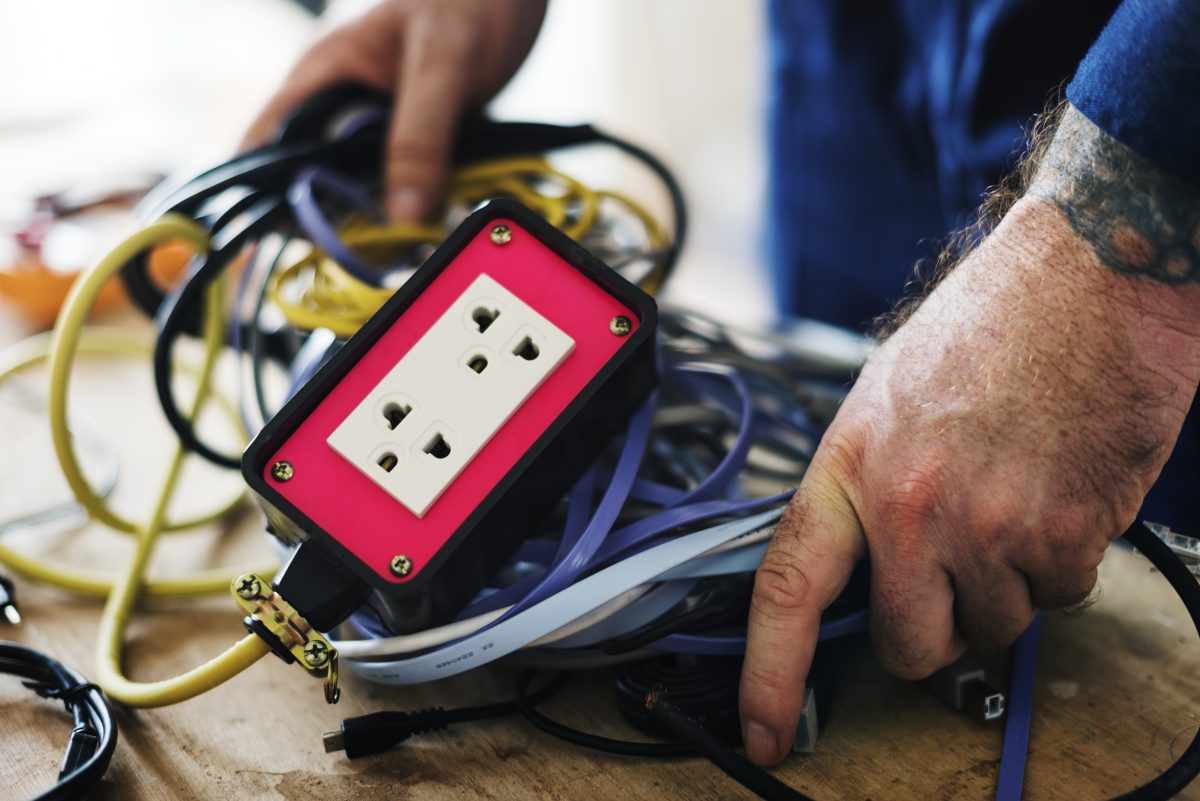
The longevity of your selected power cords is greatly influenced by the installation procedure. When installing, be careful not to twist or kink the wire and cord, as this mechanically stresses and weakens the conductors.
More so, you should avoid any impact that can harm the insulation and jacket, such as pressure and run-overs. Recognize the minimum bend radius, but as a general rule, allow for some leeway to prevent undue strain on the wires.
Reversing cord ends occasionally is one of several techniques, particularly when your cords are subjected to prolonged use in adverse weather conditions, such as excessively hot or cold temperatures.
For advice specific to your industrial environment, ask your electric wire and cord suppliers whenever in doubt.
3. Adjust the cord as necessary
Although cords vary in length depending on the circumstance, it is crucial to choose the appropriate length for your intended use. If it is too short, it may break under light stress, and if it is too long, excessive tension may cause it to trip individuals or become entangled in other pieces of equipment. If cords are used in regions with significant temperature swings, it is also crucial to account for their expansion and contraction. This may be more common if the wire is not long enough to accommodate shrinkage.
4. Make timely repairs
Establishing aftercare is crucial following installation. Regularly check the cords and make repairs before they become irreparably damaged. All broken and crushed cords should be removed, as leaving them in place could lead to a health hazard.
Finally, if you need a temporary solution, keep an extra cord on hand to replace any damaged ones right away. If not, you may need to know of trustworthy cord providers and stockists who have a sizable inventory of wires and cords.
5. Remember the crucial details and dates
Keep a note of all the dates, including:
- When cords were installed
- When repairs and maintenance were scheduled
- When each failure occurred
All of these enable you to identify the underlying cause of any faults and assist you in creating a future preventive strategy.
These are helpful since various organizations may utilize their wires in different ways and subject them to varied stress levels in a wide range of environmental settings. You may get the most out of your cord inventory by understanding which wires are best for you and how to get around some restrictions.
6. Install power strips
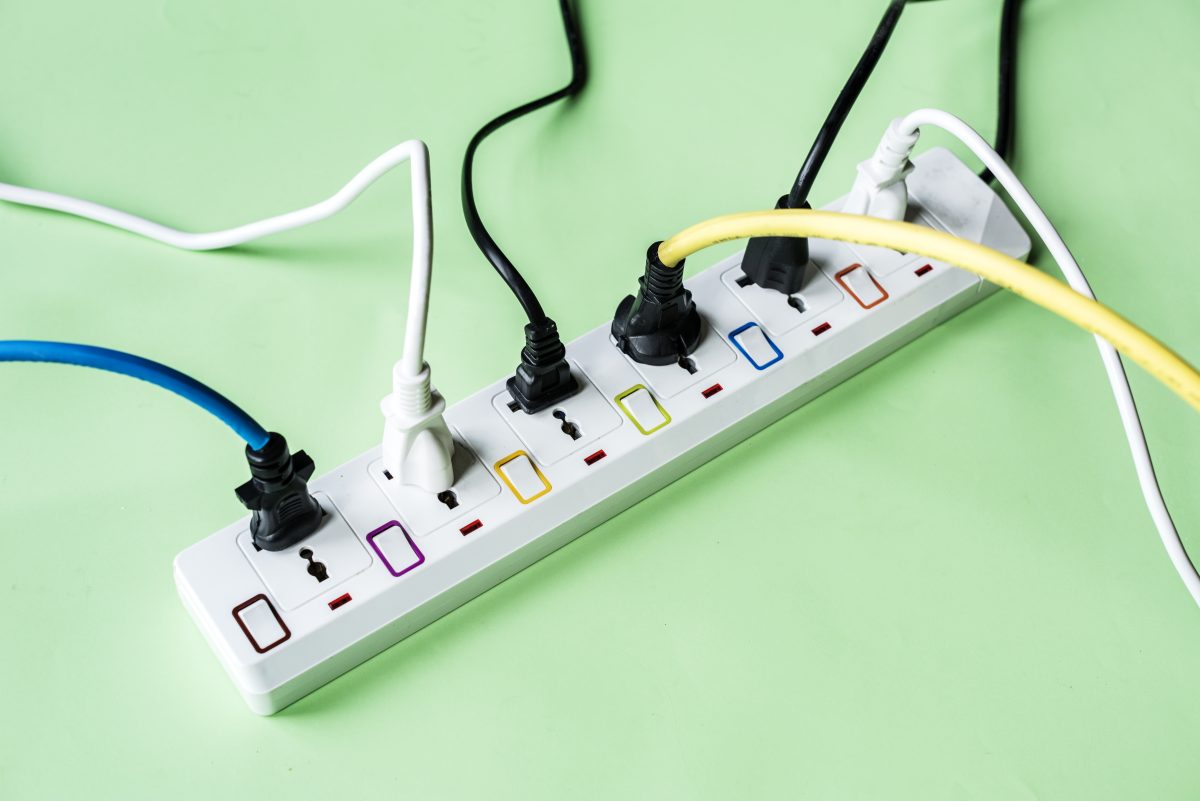
Setting up extension boards or power strips is an additional option. More plug points are available, and some also offer the benefit of surge protection. In addition, a few of the better ones on the market can be hung on a small nail on any surface, such as a desk, wall, or side. However, if you don’t have hanging tools, you can use velcro strips or double-sided tape to firmly attach them to specific surfaces.
Power strips of high grade can also be used as surge protectors. An electrical device that guards against unexpected spikes in alternating current (AC) is called a surge protector. Without these, a sudden spike in the AC could irreparably harm your gadget. A multifunctional outlet-saving power cord splitter can be used to safeguard a device.
7. Store when not in use
Power cords may hang everywhere, as is evident in any office with computers; cord tangles cover the walls and floors. One runs the danger of ripping these out of the socket or the device if they trip over them, damaging both.
We must develop the practice of correctly storing things when not in use to prevent such a situation from occurring. We must wrap them tightly without fraying the ends or length of the cords. One method is to tie it after wrapping it around the elbow. However, this could cause harm. Purchasing a cord reel is the best course of action.
The most effective approach to storing power cords when not in use is using mechanical devices, which are widely accessible on the market.
In the end!
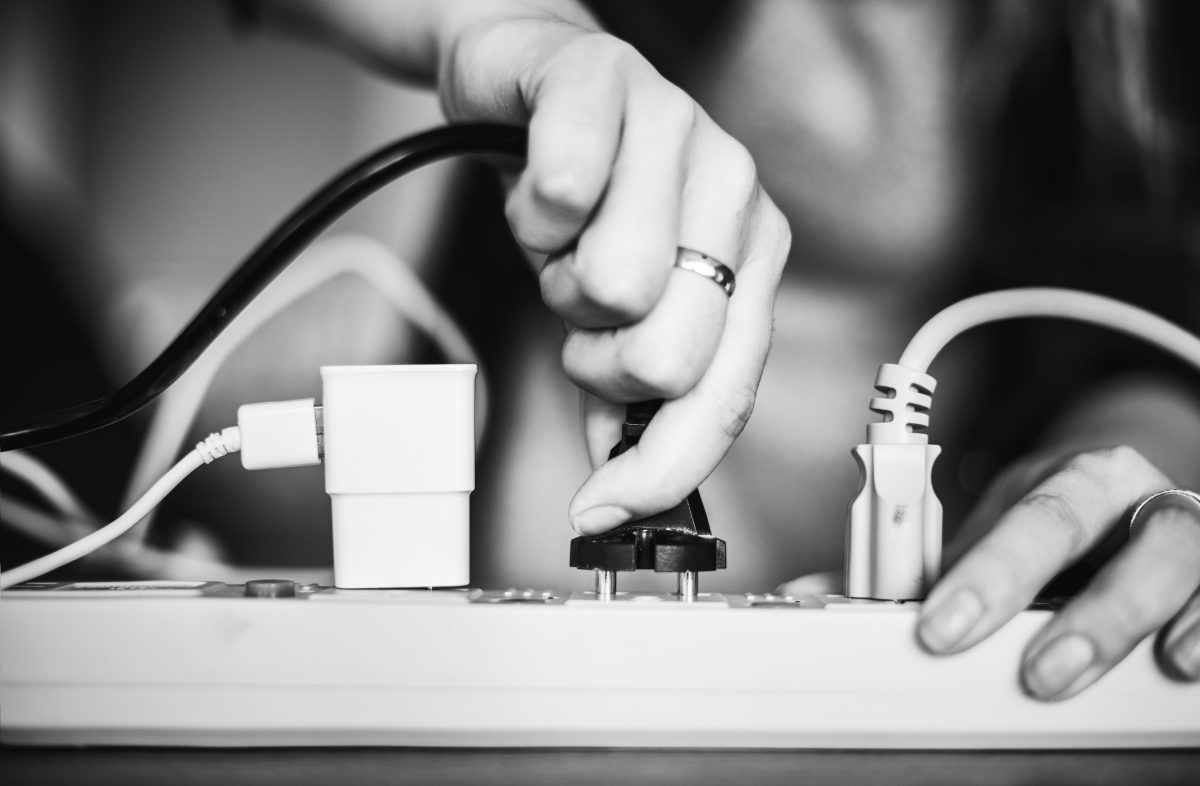
The longevity of your power cords and the security of your gadgets depend on proper maintenance. Following these five guidelines, you may prolong their life and avoid needless replacements: storing cords appropriately, avoiding sharp bends, disconnecting correctly, using protective coverings, and doing routine inspections.