The Most Common Mistakes in A-Level Maths Exams and How to Avoid Them
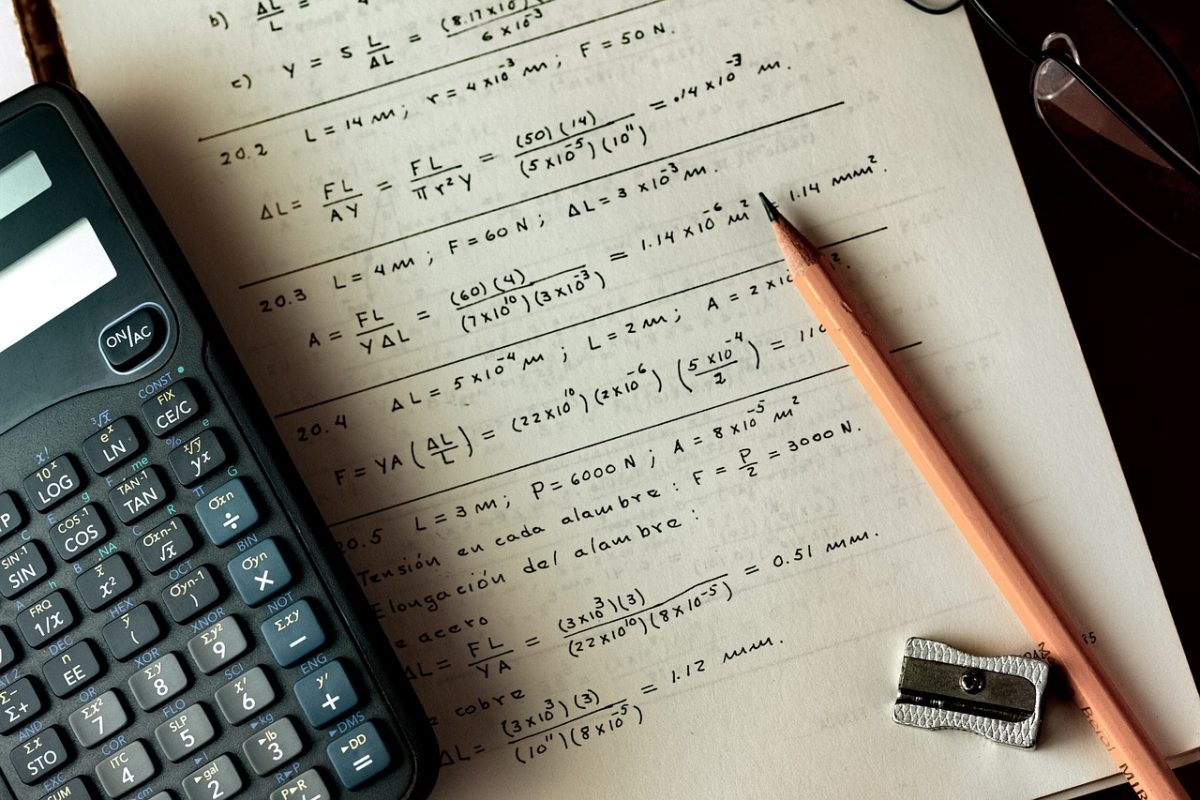
By understanding where students often falter, you can strategically prepare yourself. Couple that with practice and perhaps the guidance of a skilled tutor, and you’ll be ready to ace any A Level Maths exams with finesse.
A Level Maths Exams
In terms of structure, A Level typically consists of a series of papers spread across a couple of years with AS being the first half and A2 making up the second. This means you’ll tackle several exams that assess different aspects of maths—pure, mechanics, statistics, and possibly decision maths, depending on your syllabus.
Tutoring: A Wise Investment?
A Level Maths tutor can provide personalised guidance to help strengthen your weaker areas and strategic wisdom to ace the exams. They can offer tailored exercises, explain complex concepts in digestible ways, and provide insider tips on exam techniques. Basically, they’d be your tailored educational armour—perfectly fitted to your learning style.
Common Mistakes in A Level Maths Exams
Misreading the Question
One of the biggest trip-ups is not fully understanding what the question asks. It’s like taking a wrong turn in a well-planned outfit—everything unravels. Always read questions carefully, maybe even twice, to catch specific details and requirements.
Poor Time Management
Get your pacing right, or you might find yourself rushing through the final equations, equivalent to trying to button a shirt one-handed. Practice managing your time so you can give each problem the attention it deserves.
Careless Errors
Even simple arithmetic slips or misplaced decimal points can lead to incorrect answers. Keep your calculations neat and double-check your work.
Weak Algebraic Manipulation
Algebra is foundational, and misunderstanding can topple complex structures like a poorly tied bow tie. Ensure you’re comfortable manipulating equations and expressions efficiently.
Unit Conversion Issues
Forgetting to convert units properly is a common blunder. It’s akin to wearing mismatched socks—it shows a lack of attention to detail. Keep an eye on units, so you’re always fluent in measurements.
Skipping Practice of Graphs and Diagrams
Visual interpretation can often get side-stepped. Think of it as ignoring a crucial accessory. Make sure you’re skilled at reading and constructing graphs as they’re often a staple component of exams.
Forgetting Formulas
Forgetting key formulas! Memorise and understand the formulas, so they become second nature in various contexts.
Techniques to Avoid Common Pitfalls
Of course, having a seasoned tutor is always a great resource—they can offer personalised guidance and insights. But I hope the following techniques give you a solid starting point to become your own maths master.
Decoding the Question
- Highlight Keywords—When you first read a question, underline or highlight key terms. This helps focus your attention and prevents you from glossing over critical details.
- Paraphrase the Problem—Try restating the problem in your own words. This ensures you truly grasp what’s being asked before diving into calculations.
- Read Twice, Solve Once—Give yourself a moment to read the question twice. This minimises misunderstandings and sets a clear path forward.
Mastering Time Management
- Set a Problem Timer—Practice with a timer set to how long you should ideally spend on each question. This builds a natural rhythm and internal clock for exams.
- Prioritise Easy Wins—During exams, tackle the questions you find easiest first. It builds momentum and saves time for tackling trickier problems later.
- Practice Mock Papers—Regularly work through past papers under timed conditions. It’s the best way to simulate the real exam experience and refine your pacing.
Keeping Formulas at Your Fingertips
- Flashcards with a Twist
Create flashcards of essential formulas, but with a doodle or mnemonic that helps you visualise each one. Carry them around for quick, on-the-go review.
- The Formula Wall
Post key formulas around your study area—on walls, mirrors, or even your fridge. Seeing them daily embeds them in your memory.
Boosting Algebraic Manipulation Skills
- Mini Drills
Dedicate short bursts of practice solely to algebra manipulations. Focus on getting the basics sharp through repetition.
- Play with Algebra
Treat it like a puzzle rather than a chore. Manipulate equations from multiple angles to build flexibility and confidence.
Unit Conversion Reminders
- Sticky Note Alerts—Place sticky notes with reminders about commonly missed conversions at your study desk.
- Checklist Habit—Before you declare a problem solved, go through a checklist: “Have I checked the units? Converted everything necessary?”
- Unit ‘Hotspots’—Make a list of typical sections or topics where you often forget conversions. Knowing your triggers helps train your brain to flag those moments during solving.
Solid Maths Study Strategies
Don’t shy away from mistakes—they’re gold mines for insight! Analyse where and why you went wrong without judgement. Create a “mistake journal” to jot down common slip-ups and their solutions, turning them into stepping stones of progress.
Make Friends with the Fundamentals
It’s like knowing your scales before improvising jazz. Spend time shoring up foundational concepts. Understanding core principles deeply will make tackling complex problems feel more like a challenging game than a nightmare.
Practice with Purpose
Instead of rote practice, approach problems with curiosity. Ask yourself, “Why does this method work here?” or “What happens if I tweak this variable?” This turns practice into an exploration, reinforcing your learning with each question.
Create Conceptual Maps
Visual learners rejoice! Create mind maps that connect different maths concepts. It’s like crafting a spider’s web, where each thread is linked, giving you a broader vision of how topics interrelate.
Study in Short Bursts
Our brains aren’t designed for endless cramming sessions. Use the Pomodoro Technique—25 minutes of focused study followed by a 5-minute break. This keeps your mind fresh and more receptive to absorbing information.
Teach Someone Else
Explaining a concept to someone else is like giving your brain a workout. It forces you to clarify your understanding and identify any gaps in your knowledge. It’s a powerful tool, plus you get to play teacher for a bit—a fun role reversal!
Leverage Online Resources
The internet’s a treasure trove of maths videos, forums, and practice problems. Sites like Khan Academy or Study Mind offer fresh perspectives and alternative explanations that might just make things click.
Stay Zen
Don’t let time pressure frazzle you. Practice mindfulness techniques to keep your cool during exams. Deep breathing or quick meditation can clear your mind, allowing you to approach problems with composed focus.
Maths can be a challenging journey, but with the right techniques and mindset, it’s also a deeply rewarding one. So let’s keep those good vibes flowing as you tackle A Level maths with confidence!