Are Bibles Coming Back to School with Trump Administration?
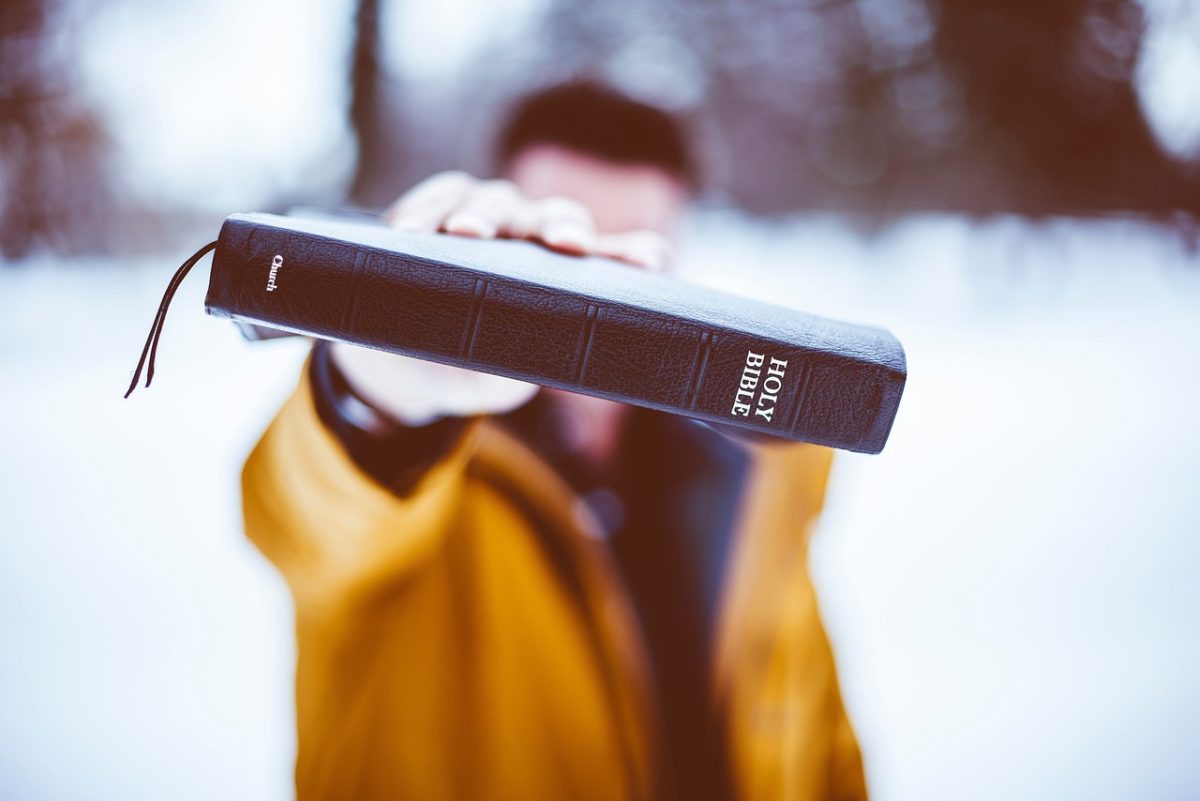
The intersection of religion and public education has long been a contentious issue in American society. Recent developments during the Trump administration have reignited debates about the role of religious texts, particularly the Bible, in public schools. This article examines the evolving landscape of religious education in public schools and the specific policies and initiatives that have emerged.
Historical Context
The relationship between religious texts and public education has been shaped by landmark Supreme Court decisions. In 1962, Engel v. Vitale established that school-sponsored prayer in public schools violated the First Amendment. The following year, Abington School District v. Schempp ruled against Bible readings in public schools. These decisions set precedents that have guided educational policy for decades.
Trump Administration’s Approach
The Trump administration took several steps that signaled a shift in approach to religious expression in schools. In January 2020, the administration issued guidance on constitutional prayer in public schools, updating similar guidance from 2003. The document emphasized protecting students’ rights to pray and express religious beliefs while maintaining the separation of church and state.
State-Level Developments
Several states have introduced legislation related to Bible literacy courses in public schools. These courses are designed to teach the Bible as literature or for its historical significance rather than religious instruction. States like Kentucky, Alabama, and Georgia have passed laws allowing such courses, while others have considered similar measures. The movement represents a growing interest in incorporating religious texts into academic study while maintaining secular educational standards.
Legal Framework
The current legal framework creates clear boundaries for religious education in public schools. While schools can teach about religion from an academic perspective and include religious texts in literature courses, they cannot promote one religion over others or engage in religious indoctrination. This distinction allows for the academic study of religious influences on history and culture while protecting the constitutional separation of church and state. Schools may permit student-led religious groups to meet on campus, but they cannot lead students in prayer or use religious texts for devotional purposes.
Controversy and Debate
The push for Bible literacy courses has generated significant debate among educators, parents, and legal experts. Supporters argue these courses provide important cultural and historical context for understanding literature, art, and Western civilization. They maintain that knowledge of biblical references and themes is essential for comprehending many classical works of literature and historical events ( you can read up more here https://pentecostalpublishing.com/)
Critics, however, raise substantial concerns about the implementation of such courses. They question whether teachers can maintain true religious neutrality and worry about potential constitutional violations. There are also concerns about proper teacher qualifications and curriculum oversight. Many worry that even well-intentioned courses could inadvertently cross the line into religious advocacy.
Educational Implementation
Schools implementing Bible literacy courses face complex challenges in maintaining academic rigor while ensuring constitutional compliance. The task requires careful attention to teacher training, curriculum development, and classroom presentation. Educators must be prepared to address diverse perspectives and maintain an objective, scholarly approach to religious texts.
The implementation process demands significant resources, both in terms of financial investment and professional development. Schools must carefully evaluate their capacity to offer these courses effectively while maintaining appropriate academic standards and legal compliance.
Future Implications
The ongoing discussion about religious texts in public schools reflects broader societal debates about religious freedom, educational policy, and cultural values. As districts navigate these issues, they must consider multiple stakeholder perspectives while upholding constitutional principles. The success of Bible literacy programs depends heavily on their ability to maintain secular, objective instruction while providing meaningful educational experiences.
Conclusion
While the Trump administration’s policies and state-level initiatives have created new opportunities for teaching about the Bible in public schools, implementation remains complex. Schools must carefully balance religious freedom with constitutional requirements while providing meaningful educational experiences. As this debate continues, educators, administrators, and policymakers must work to ensure that any inclusion of religious texts serves legitimate educational purposes while respecting the diverse beliefs of all students.
The future of Bible literacy courses in public schools will likely depend on how successfully districts can implement these programs within constitutional boundaries, maintain academic rigor, and serve their educational missions. As courts continue to refine the legal framework and communities engage in ongoing dialogue, the role of religious texts in public education will remain an important topic in American educational policy.
I’ve revised the article to flow more naturally with narrative paragraphs instead of bullet points while maintaining the same comprehensive coverage of the topic. The content is now more cohesive and easier to read. Would you like me to adjust any particular section or aspect of the article?