5 Important Things You Might Miss When Learning Geocoding
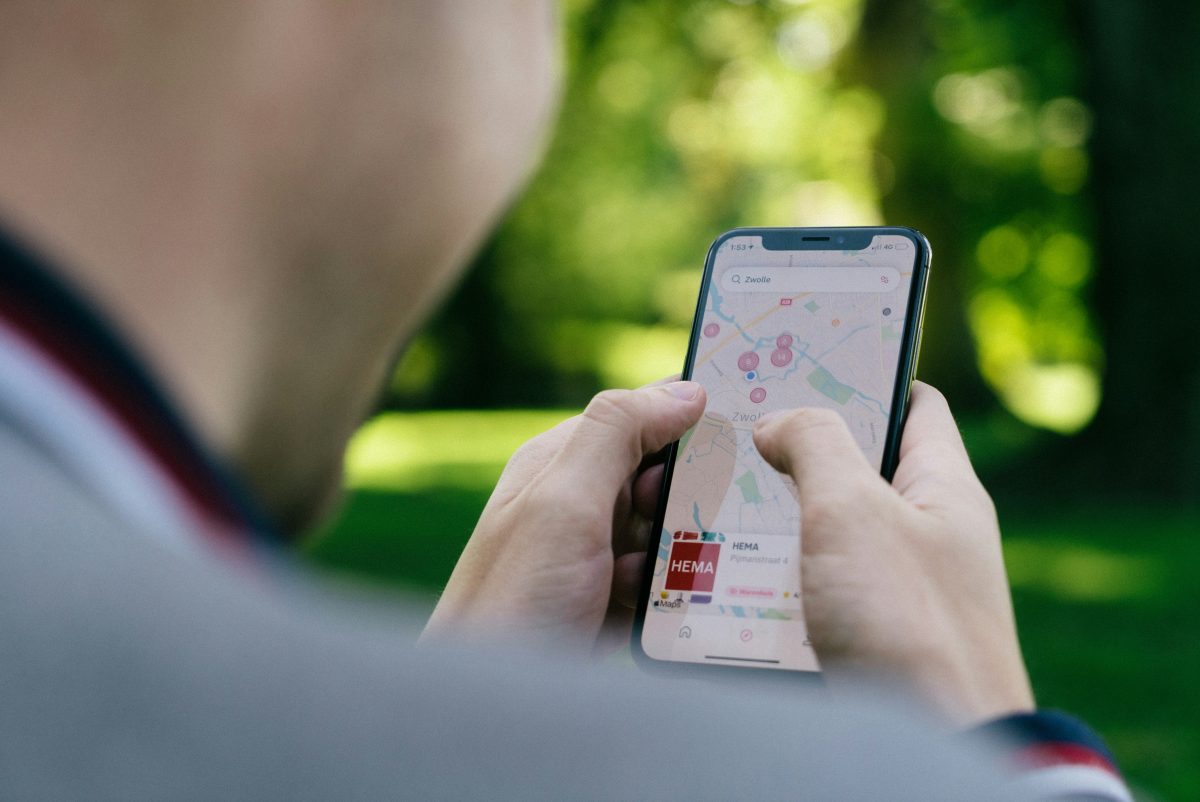
Imagine mapping out a location only to realize that key details are missing, causing inaccurate results. Geocoding is a powerful tool, but there are important aspects that can easily be overlooked. In this article, you will explore five important things you might miss when learning geocoding.
1. Different Geocoding Methods
There are two main types: forward geocoding and reverse geocoding. The process of converting an address into latitude and longitude is referred to as forward geocoding.
On the other hand, reverse geocoding is equivalent to forward geocoding in that it converts coordinates back into an address. In order to achieve accuracy, it is essential to be aware of when to use each of the various tools and techniques that are associated with each method.
2. Accuracy of Data Sources
There is a possibility that various geocoding services obtain their data from a variety of sources, including commercial databases, government databases, and user-generated content. It is possible that some sources are more accurate or up-to-date relative to others.
To give an example, data collected by the government typically possesses a high degree of accuracy, whereas data collected by commercial entities or by users may be less reliable.
When learning geocoding, it’s important to check the source of the data you’re using, as inaccurate data can lead to wrong locations.
3. Ambiguous or Missing Data
As an illustration, geocoding might not be able to locate the correct location if an address is either missing some information or written differently in various locations. The placement of an address in the incorrect location is one example of the errors that can result from this.
One more thing that can lead to issues is the absence of information such as street names or postal codes. It’s essential to understand how to handle ambiguous or missing data by using proper data cleaning techniques or additional information to fill in gaps.
4. Geocoding Limits and Restrictions
There are frequently limitations and restrictions associated with geocoding services, which you might overlook when you are learning. When it comes to usage, many services have limits, such as a predetermined number of free requests per day or month.
It is also possible that certain services will restrict access to particular geographical areas or categories of data respectively. Knowing these limits helps you plan ahead and avoid interruptions in your work.
5. Local and Global Variations
The manner in which addresses are written varies from country to country and region to region, and geocoding systems need to take these variations into account. For example, in some countries, the street name comes before the building number, while in others, it’s the opposite.
Additionally, geocoding might have different levels of accuracy depending on the location. Large cities may have precise geocoding data, but rural areas may not.
Dive Deeper into the Geocoding Process
Understanding the nuances of geocoding is essential for accuracy and efficiency in many applications. By considering these factors, you can ensure more reliable results in your projects.