How to Maintain Your Generator After Installation?
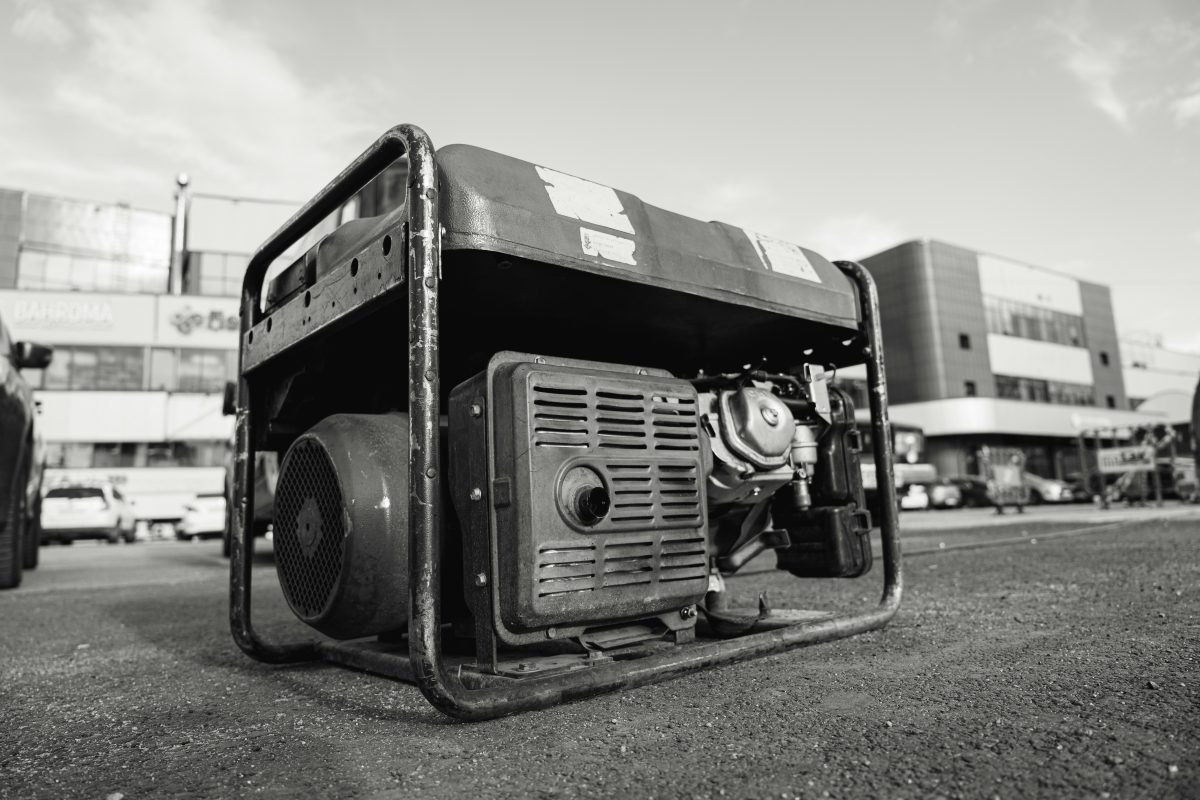
Once your generator has been successfully installed, keeping it running smoothly and efficiently becomes essential. Regular maintenance not only extends the life of your generator but also ensures it performs optimally when needed. We will explore the steps you can take to maintain your generator, providing tips on regular inspection, cleaning, and servicing. From routine tasks like oil changes to identifying early warning signs of problems, taking proactive measures can save you time and money on repairs.
Regular Inspection and Monitoring
Regular inspection is one of the most important aspects of maintaining your generator. After installation by Rosco Generators, set up a schedule to check its condition every month or according to the manufacturer’s instructions. Begin by inspecting the generator’s fuel system. Look for any fuel leakage or corrosion around the fuel lines, filters, and tank. If you detect any issues, address them immediately to prevent more significant problems. Next, check the exhaust system for any obstructions, cracks, or damage. Ensure that the vents are clear and free of debris to prevent overheating.
Additionally, inspect the generator’s cooling system. Look for any fluid leaks, and check the coolant levels. Keeping the cooling system in good condition helps to prevent the generator from overheating and ensures efficient operation during high-demand situations. A well-maintained generator will last longer and be more reliable when needed.
Change the Oil and Oil Filter
Changing the oil and oil filter regularly is crucial for the smooth operation of your generator. Oil acts as a lubricant for the engine, reducing friction and wear, and it helps dissipate heat. Over time, oil can become contaminated with dirt, dust, and metal particles from the engine’s operation, which can cause internal damage if not replaced. Most manufacturers recommend changing the oil after the first 20 to 30 hours of use and then at regular intervals, typically every 100 to 150 hours of operation or at least once a year, depending on the model and how often it’s used. It’s also important to replace the oil filter each time you change the oil, as it prevents contaminants from entering the engine. Use the correct type of oil recommended by the manufacturer, as using the wrong oil can affect performance and cause long-term damage to your generator.
Clean or Replace Air Filters
Air filters are essential in keeping your generator’s engine clean by preventing dirt, dust, and debris from entering the system. Over time, these filters can become clogged, reducing airflow and affecting the generator’s performance. Regularly inspect the air filter to ensure it is not obstructed. You may need to clean or replace the air filter in dusty or high-pollution areas more frequently. A clogged air filter can cause the engine to work harder, leading to inefficient fuel consumption and potential engine failure. Depending on the model, cleaning the filter may be sufficient, or you may need to replace it entirely. Follow the manufacturer’s recommendations for maintenance intervals and air filter types to keep your generator running at its best.
Keep the Fuel System in Check
Maintaining your generator’s fuel system is another key aspect of proper generator upkeep. Stale fuel can lead to clogs, poor performance, and even engine failure. If your generator will be stored for an extended period, it is important to drain the fuel tank and carburetor or treat the fuel with a stabilizer to prevent it from breaking down. Before each use, check the fuel level and ensure no visible signs of leaks or corrosion around the fuel lines. If you notice any issues, such as rust or fuel deterioration, it may be time to clean the fuel tank or replace worn components. In addition, regularly clean the fuel filter to ensure it is free from any debris or contaminants that could clog the system. Maintaining your fuel system properly can avoid costly repairs and ensure your generator is ready when needed.
Professional Servicing
While the owner can handle routine maintenance, some aspects of generator care require professional servicing. If you notice any unusual performance issues or the generator hasn’t been serviced in a while, you should call a technician for a thorough inspection. A technician can check for hidden issues that might not be obvious during regular inspection and test all generator components, including the electrical system, engine, and fuel components. They can also perform any repairs or replacements necessary to ensure your generator runs efficiently. Professional servicing should be scheduled according to the manufacturer’s recommended intervals, and it’s important to keep a record of all maintenance and repairs to ensure the longevity of the generator.
Maintaining your generator after installation is crucial to ensuring that it operates reliably and efficiently when needed. Regular inspection, oil and filter changes, air filter cleaning, fuel system maintenance, and battery checks are all essential tasks that should be performed periodically. Testing the generator regularly, cleaning it properly, and protecting it from the elements will help extend its lifespan. Additionally, seeking professional servicing when necessary can help address any issues. Following these maintenance steps ensures that your generator remains a dependable power source for years.